
-
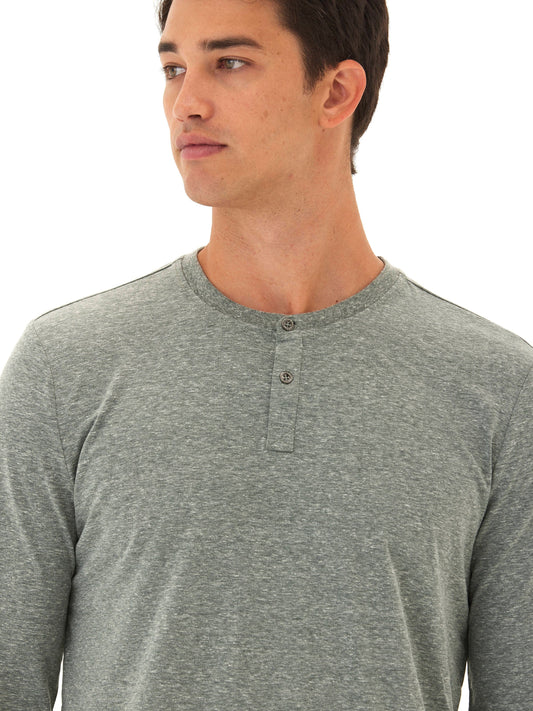
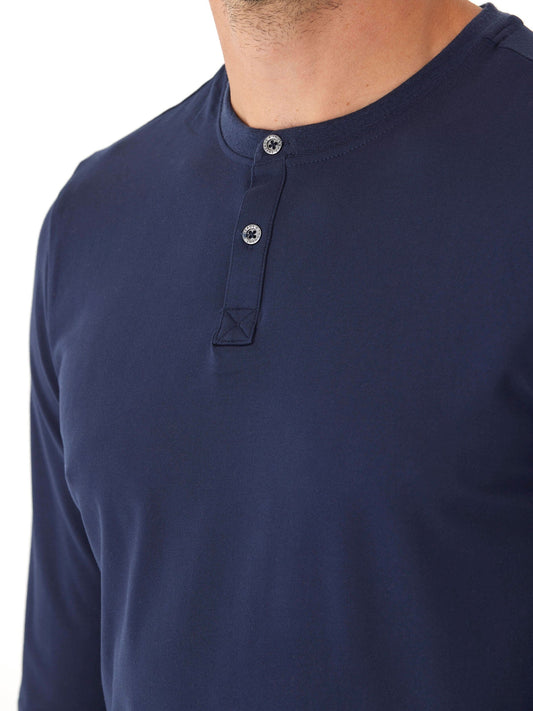
Austin Triblend Long Sleeve Henley
Vendor:Threads 4 ThoughtRegular price $58.00 USDRegular price -
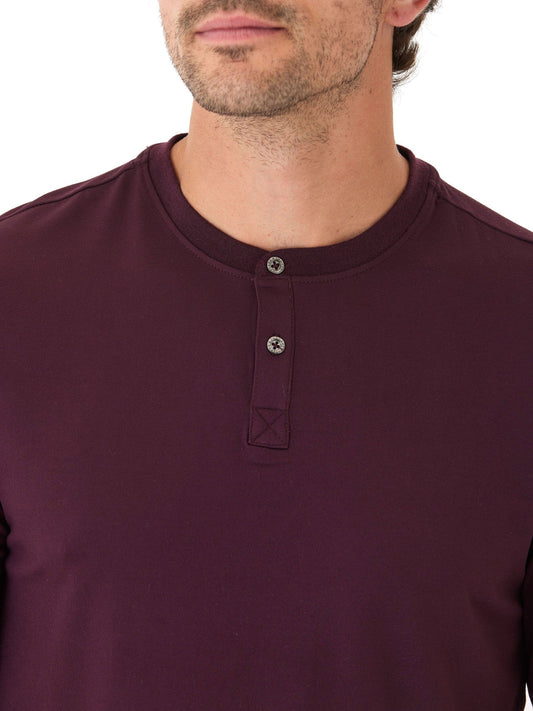
Frederick Luxe Jersey Long Sleeve Henley
Vendor:Threads 4 ThoughtRegular price $47.60 USDRegular price$68.00 USDSale price $47.60 USDSale -
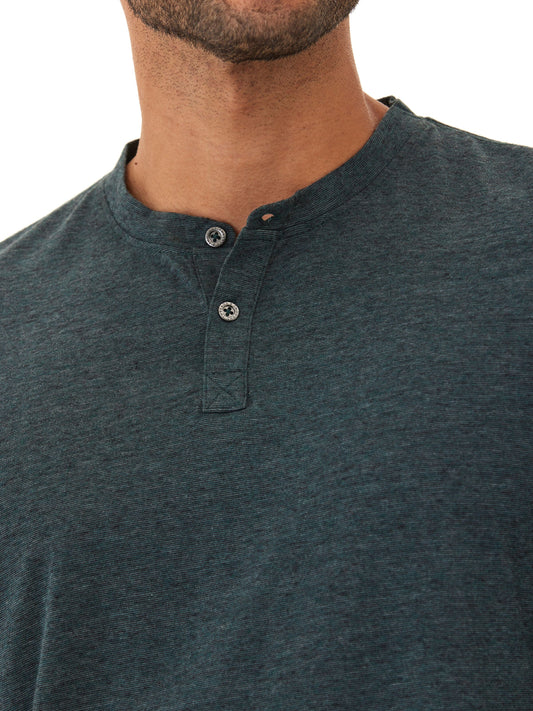
Braeden Black Fleck Long Sleeve Triblend Henley
Vendor:Threads 4 ThoughtRegular price $54.00 USDRegular price -
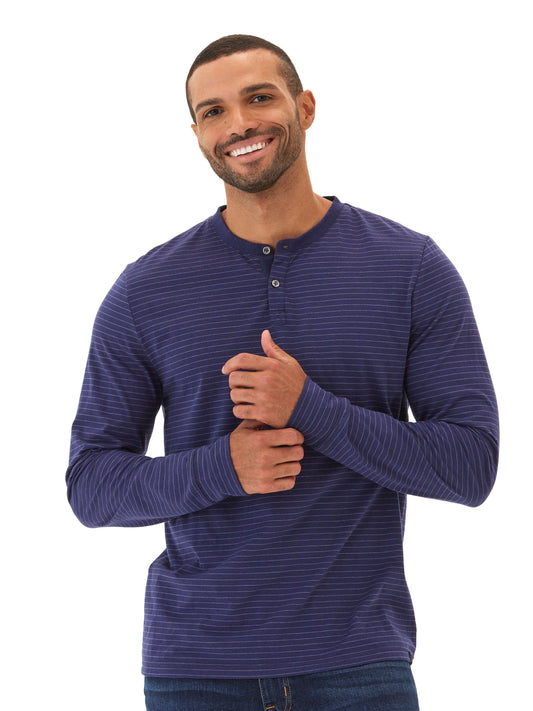
Torryn Triblend Stripe Jersey Long Sleeve Contrast Henley
Vendor:Threads 4 ThoughtRegular price $25.60 USDRegular price$64.00 USDSale price $25.60 USDSale -
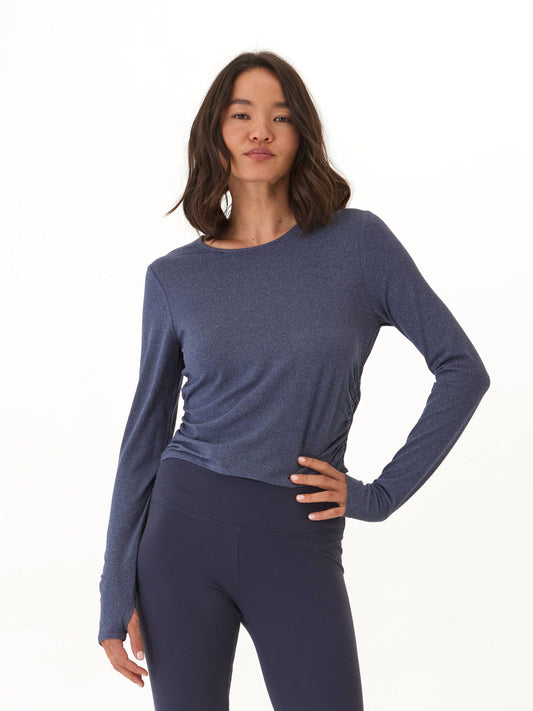
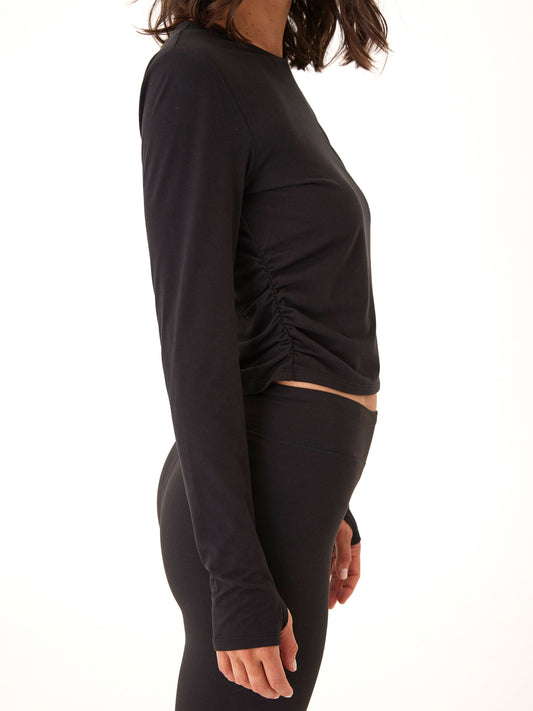
Amabella Heather Luxe Jersey Ruched Long Sleeve
Vendor:Threads 4 ThoughtRegular price $23.20 USDRegular price$58.00 USDSale price $23.20 USDSale -
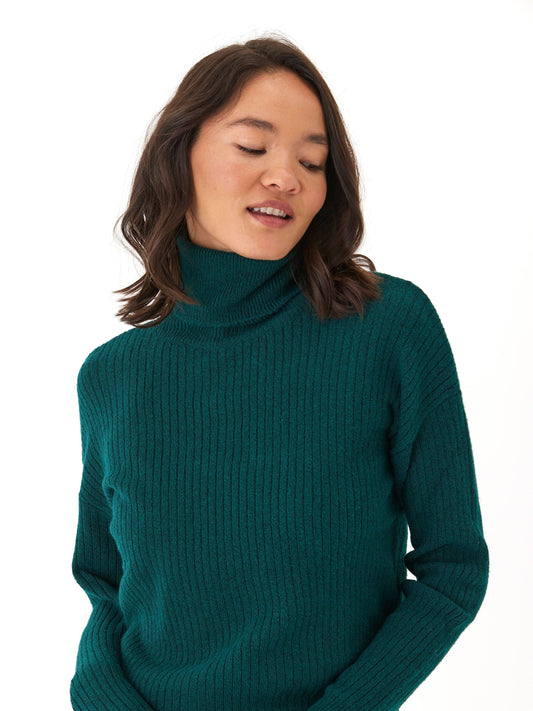
Toki Rib Knit Turtleneck
Vendor:Threads 4 ThoughtRegular price $61.60 USDRegular price$88.00 USDSale price $61.60 USDSale -
Braeden Black Fleck Long Sleeve Triblend Henley
Vendor:Threads 4 ThoughtRegular price $54.00 USDRegular price -
Amabella Heather Luxe Jersey Ruched Long Sleeve
Vendor:Threads 4 ThoughtRegular price $23.20 USDRegular price$58.00 USDSale price $23.20 USDSale -
Braeden Black Fleck Long Sleeve Triblend Henley
Vendor:Threads 4 ThoughtRegular price $21.60 USDRegular price$54.00 USDSale price $21.60 USDSale -
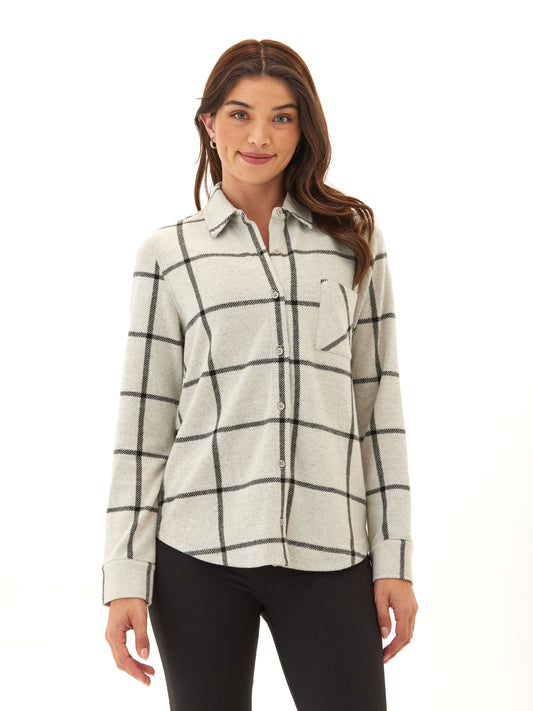
Annika Chambray Button-Up
Vendor:Threads 4 ThoughtRegular price $39.20 USDRegular price$98.00 USDSale price $39.20 USDSale -
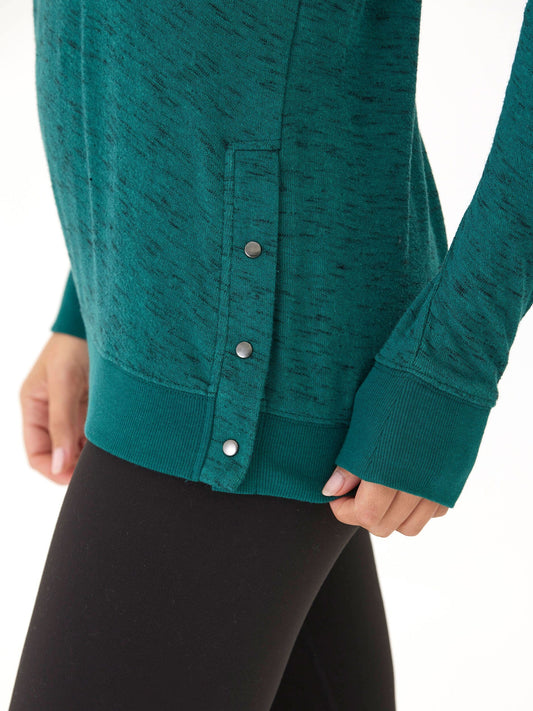
Ismene Rhythm Slub Snap Detail Long Sleeve
Vendor:Threads 4 ThoughtRegular price $31.20 USDRegular price$78.00 USDSale price $31.20 USDSale -
Frederick Luxe Jersey Long Sleeve Henley
Vendor:Threads 4 ThoughtRegular price $68.00 USDRegular price -
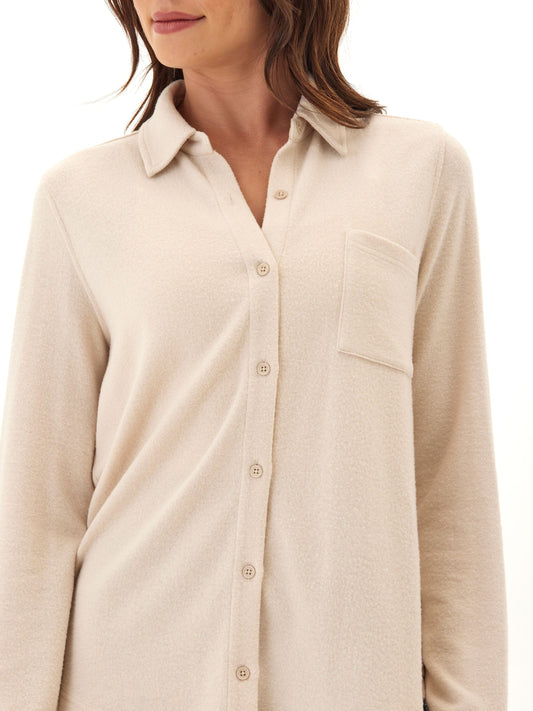
Kandyce Knit Fleece Button-Up
Vendor:Threads 4 ThoughtRegular price $68.60 USDRegular price$98.00 USDSale price $68.60 USDSale -
Kandyce Knit Fleece Button-Up
Vendor:Threads 4 ThoughtRegular price $68.60 USDRegular price$98.00 USDSale price $68.60 USDSale -
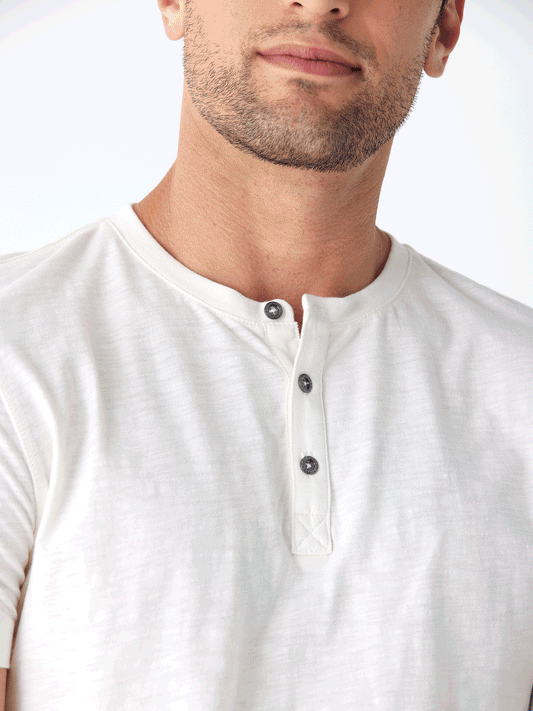
Heath Slub Jersey Short Sleeve Henley
Vendor:Threads 4 ThoughtRegular price $31.20 USDRegular price$78.00 USDSale price $31.20 USDSale -
Stripe Triblend Jersey Short Sleeve Henley
Vendor:Threads 4 ThoughtRegular price $17.60 USDRegular price$44.00 USDSale price $17.60 USDSale
















Why Buy Fair Trade Shirts?
Shirts require some of the most technically demanding construction in tops — collar setting, button stand sewing, cuff attachment, and precise fitting all require trained skills. Despite this, workers producing shirts in volume factories typically operate under the same wage and condition structures as those on simpler garments. The skill premium that would exist in a transparent market is captured by the buyer, not the maker.
Fair trade sourcing applies minimum wage and condition standards across shirt production. For producers making shirts with handwork elements — hand-loomed fabrics, embroidery, block-printed textiles — fair trade pricing reflects the actual production labor involved. This is what makes it possible for producers using traditional textile techniques to compete without abandoning those techniques for cheaper alternatives.
Shirts are worn in professional and everyday settings where construction quality matters. Buying fair trade means the craftsmanship behind them was produced under conditions that hold workers to the same quality standard you'd want from the garment itself.
What is fair trade clothing?
How can I tell if shirts are actually fair trade?
Are the workers who make these shirts paid fairly?


Verified ethically made
Every product on The Labour Movement meets our standards for Fair Trade production.
Featured certifiers and membership organizations


