
-
Megebi Handwoven Ethiopian Cotton Apron
Vendor:SabaharRegular price $68.00 USDRegular price$0.00 USDSale price $68.00 USD -
Cotton Full Kitchen Apron with Pockets – Jikoni Bib Apron
Vendor:EcoduniaRegular price $48.00 USDRegular price -
Kitchen Half Apron with Pockets Unisex | Waist Apron – Jikoni
Vendor:EcoduniaRegular price $28.00 USDRegular price -
Handcrafted Cotton Apron – Made from Vintage Mayan Textiles (Adult Size)
Vendor:Intertwined: Handmade for GoodRegular price $35.00 USDRegular price -
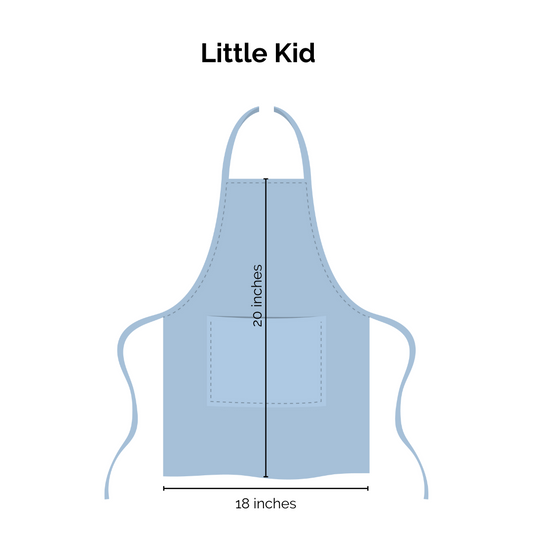
Little Kid's Apron
Vendor:Intertwined: Handmade for GoodRegular price $25.00 USDRegular price -
"Mommy & Me" Apron Set
Vendor:Intertwined: Handmade for GoodRegular price $60.00 USDRegular price -
Geometric Unisex Full Apron
Vendor:DarzahRegular price $50.00 USDRegular price -
Woven Guatemalan Apron
Vendor:Upavim CraftsRegular price $39.00 USDRegular price





Why Buy Fair Trade Aprons?
Apron production involves fabric sourcing, cutting, sewing, and finishing — garment-adjacent production requiring skilled textile workers. Many aprons in this collection use handwoven, block-printed, or traditionally dyed fabrics where the textile itself is a primary expression of artisan craft. In conventional supply chains, the functional nature of aprons often results in sourcing from the lowest-cost available production, with limited visibility into textile origins or sewing conditions.
Fair trade sourcing applies wage and condition standards at the production stage, and for artisan producers using handwoven or traditionally treated fabrics, pricing that reflects the textile craft involved — not just the sewing. A block-printed apron made from handwoven cloth involves far more labor than a machine-printed equivalent, and fair trade pricing accounts for that difference explicitly.
An apron is a daily-use object present at every kitchen session. Choosing fair trade means the textile and production craft behind it were compensated fairly — a standard that holds every time it's put on and washed and used again.
What is fair trade home and garden decor?
How do fair trade kitchen products support artisans?
Are artisans paid fairly for fair trade kitchen products?



Verified ethically made
Every product on The Labour Movement meets our standards for Fair Trade production.
Featured certifiers and membership organizations


