
-
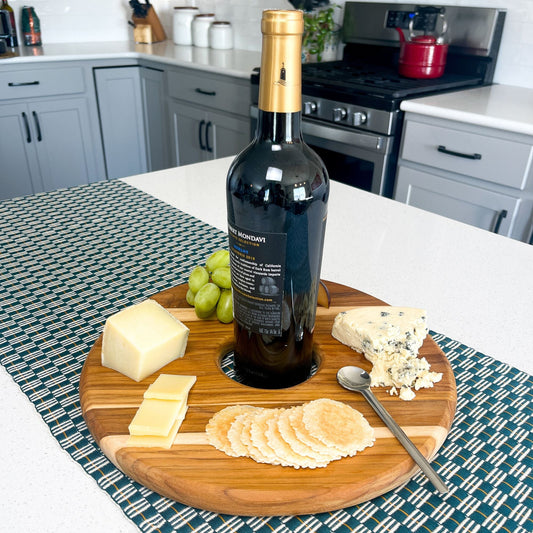
Teak Serving Board with Wine/Bowl Cutout
Vendor:Upavim CraftsRegular price $59.00 USDRegular price$74.00 USDSale price $59.00 USDSale -
Teak Large Round Charcuterie Board with Handle
Vendor:Upavim CraftsRegular price $67.00 USDRegular price$84.00 USDSale price $67.00 USDSale



Why Buy Fair Trade Cutting Boards?
Cutting board production involves real woodworking skill — selecting appropriate timber, cutting to dimension, planing flat, edge-joining for larger boards, sanding through progressively finer grits, and finishing with food-safe oils or wax. A well-made cutting board requires technical knowledge of wood movement, grain orientation, and surface preparation that produces a board durable enough to last decades. This craft is often invisible in conventional pricing that treats cutting boards as commodity kitchen items.
Fair trade sourcing for cutting boards applies wage and condition standards at the woodworking production level and, where relevant, responsible timber sourcing standards. For artisan woodworkers, fair trade pricing reflects the actual craft labor involved in producing a board that performs properly — not what a factory-machined alternative would cost.
A cutting board is used at every meal preparation and expected to last years or decades. Buying fair trade means the woodcraft behind it was compensated fairly for the skill and knowledge involved.
What is fair trade home and garden decor?
How do fair trade kitchen products support artisans?
Are artisans paid fairly for fair trade kitchen products?



Verified ethically made
Every product on The Labour Movement meets our standards for Fair Trade production.
Featured certifiers and membership organizations


