
-
Megebi Handwoven Ethiopian Cotton Apron
Vendor:SabaharRegular price $68.00 USDRegular price$0.00 USDSale price $68.00 USD -
Cotton Full Kitchen Apron with Pockets – Jikoni Bib Apron
Vendor:EcoduniaRegular price $48.00 USDRegular price -
Kitchen Half Apron with Pockets Unisex | Waist Apron – Jikoni
Vendor:EcoduniaRegular price $28.00 USDRegular price -
Handcrafted Cotton Apron – Made from Vintage Mayan Textiles (Adult Size)
Vendor:Intertwined: Handmade for GoodRegular price $35.00 USDRegular price -
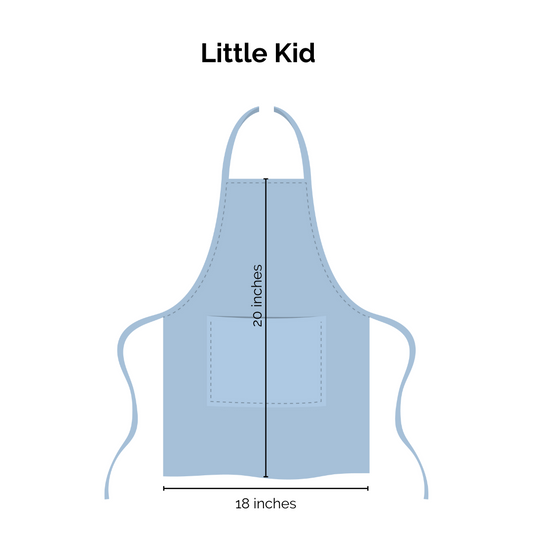
Little Kid's Apron
Vendor:Intertwined: Handmade for GoodRegular price $25.00 USDRegular price -
"Mommy & Me" Apron Set
Vendor:Intertwined: Handmade for GoodRegular price $60.00 USDRegular price -
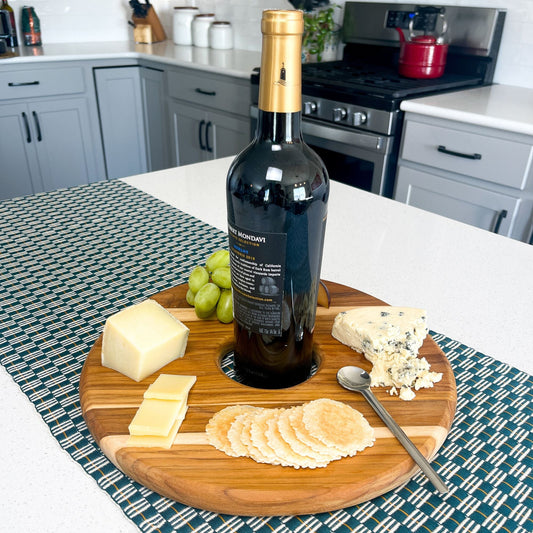
Teak Serving Board with Wine/Bowl Cutout
Vendor:Upavim CraftsRegular price $59.00 USDRegular price$74.00 USDSale price $59.00 USDSale -
Snowman Skillet Handle Holder
Vendor:Upavim CraftsRegular price $16.50 USDRegular price -
Sloth Skillet Handle Holder
Vendor:Upavim CraftsRegular price $16.50 USDRegular price -
Teak Large Round Charcuterie Board with Handle
Vendor:Upavim CraftsRegular price $67.00 USDRegular price$84.00 USDSale price $67.00 USDSale -
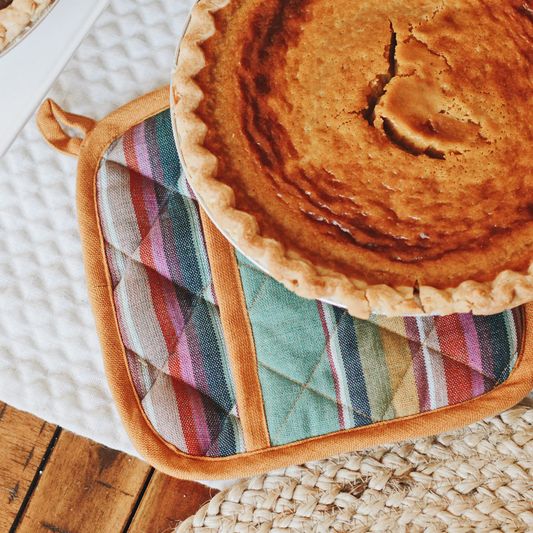
Sea Otter Pot Holder and Trivet
Vendor:Upavim CraftsRegular price $22.50 USDRegular price -

 Sale
SalePocket Pot Holder
Vendor:Upavim CraftsRegular price From $15.40 USDRegular price$22.00 USDSale price From $15.40 USDSale -
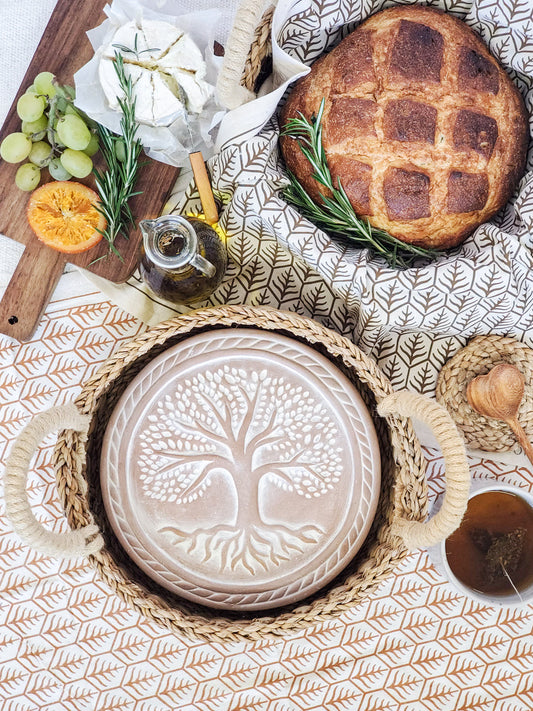
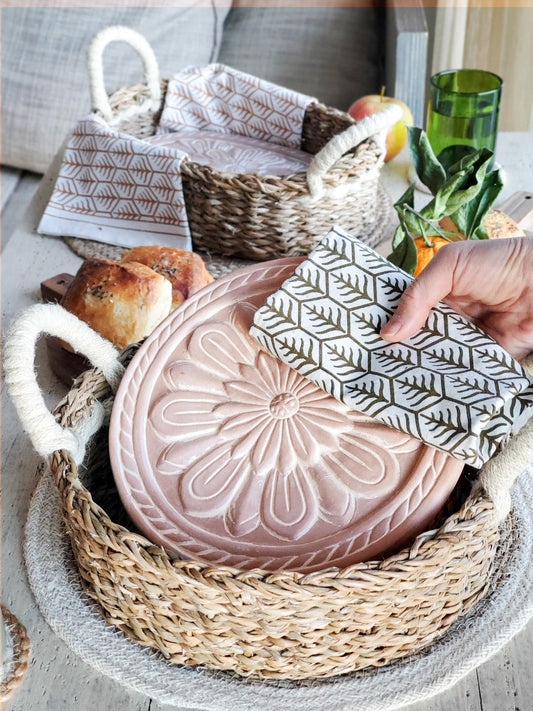
Bread Warmer & Basket Gift Set with Tea Towel - Tree of Life Round
Vendor:KORISSARegular price $77.90 USDRegular price -
Bread Warmer & Basket Gift Set with Tea Towel - Vintage Flower
Vendor:KORISSARegular price $77.90 USDRegular price -
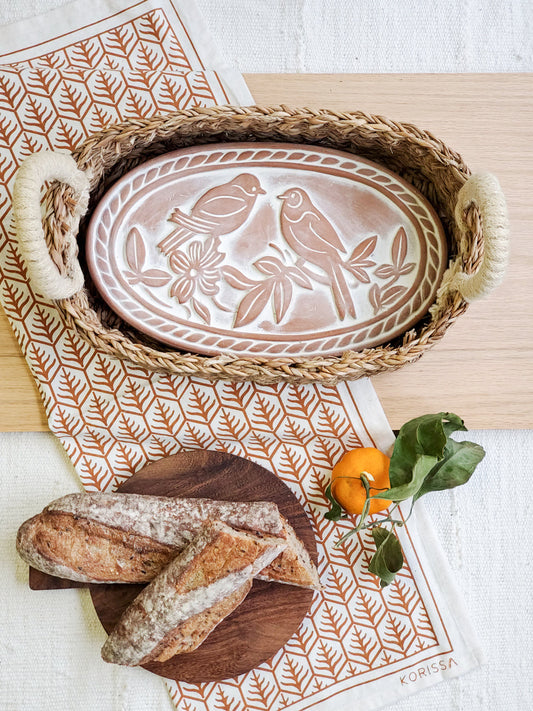
Bread Warmer & Basket Gift Set with Tea Towel - Lovebird Oval
Vendor:KORISSARegular price $77.90 USDRegular price -
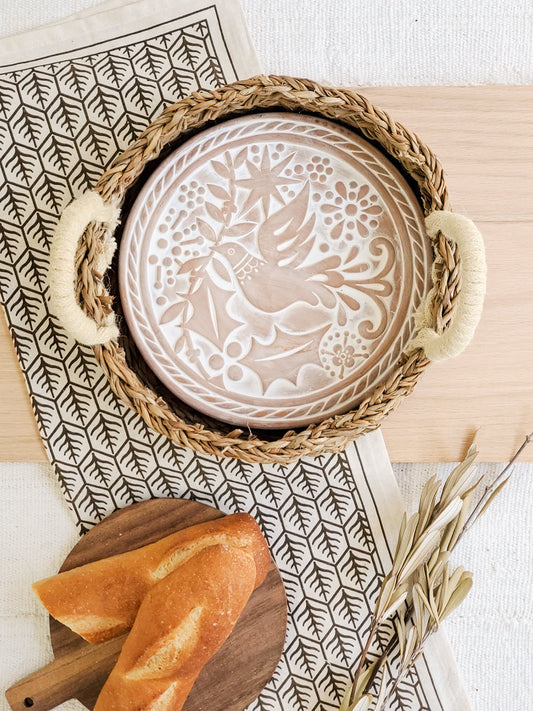
Bread Warmer & Basket Gift Set with Tea Towel - Bird Round
Vendor:KORISSARegular price $77.90 USDRegular price









Why Buy Fair Trade Kitchen Utensils?
Kitchen utensil production spans woodworking, textile production, and metalwork — cutting boards, aprons, cooking tools, and accessories covering distinct craft categories with different labor and supply chain profiles. Wooden utensils require skilled woodworking; textile aprons involve garment-adjacent sewing; metal tools involve forming and finishing. Each has its own labor considerations, and in conventional markets the supply chains for each are often sourced separately with limited visibility into conditions at any stage.
Fair trade sourcing applies wage and condition standards across these production types. For woodwork producers, this covers the selection, shaping, sanding, and finishing of wooden pieces. For textile producers, it applies standard garment-level labor requirements. For artisan producers combining materials, fair trade pricing reflects the actual skill content across all the components involved.
Kitchen tools are used daily — handled, washed, and returned to repeatedly for years. Choosing fair trade in this category creates a consistent standard for the people who made those daily-use objects, regardless of which craft or production discipline was involved.
What is fair trade home and garden decor?
How do fair trade kitchen products support artisans?
Are artisans paid fairly for fair trade kitchen products?



Verified ethically made
Every product on The Labour Movement meets our standards for Fair Trade production.
Featured certifiers and membership organizations


