
-
Mochila sostenible - Rosa suave
Vendor:GreenerRegular price $112.50 USDRegular price -
Mochila sostenible - Azul medianoche
Vendor:GreenerRegular price $97.50 USDRegular price -
Mochila sostenible - Piedra
Vendor:GreenerRegular price $112.50 USDRegular price -
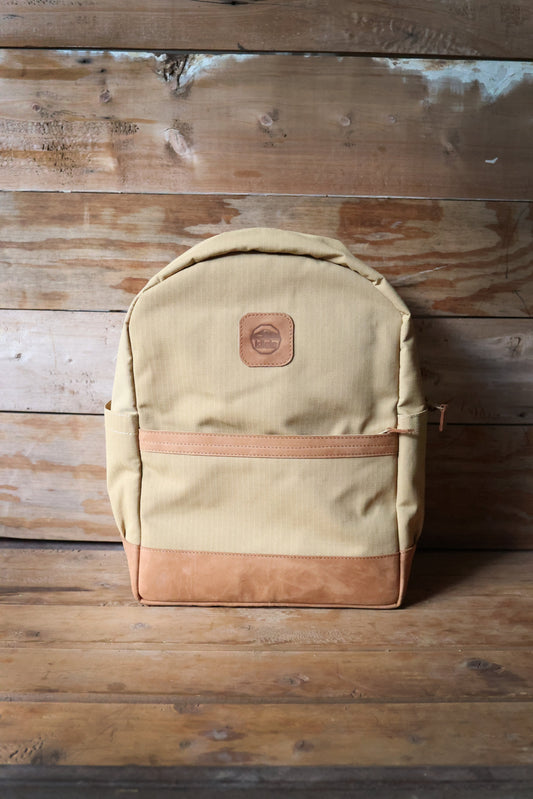
Mochila sostenible - Mostaza
Vendor:GreenerRegular price $97.50 USDRegular price -
Salma Sling Backpack - Blue
Vendor:DarzahRegular price $150.00 USDRegular price -
Salma Sling Backpack - Camel
Vendor:DarzahRegular price $150.00 USDRegular price -
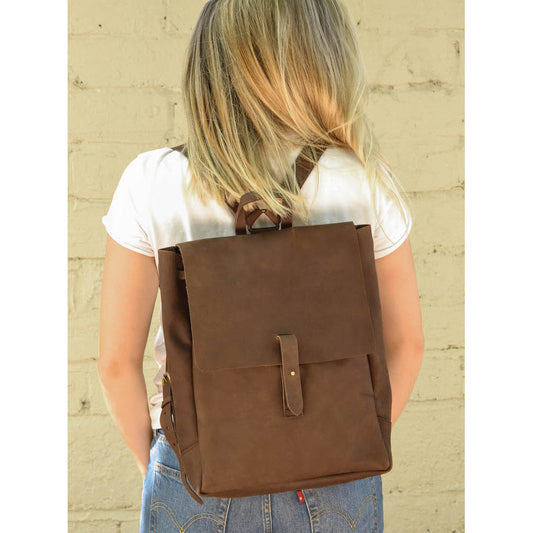
Leather Commuter Backpack
Vendor:Beyond Borders CollectiveRegular price $370.00 USDRegular price -
Adventurer Leather Rolltop Backpack
Vendor:AMASOUKRegular price $153.00 USDRegular price$255.00 USDSale price $153.00 USDSale -
Cape Buffalo Ripstop Backpack
Vendor:Jubilee Trading CompanyRegular price $229.00 USDRegular price -
Leather Backpack
Vendor:Jubilee Trading CompanyRegular price $299.00 USDRegular price -
Mochila orgánica - Verde Vintage
Vendor:GreenerRegular price $52.73 USDRegular price$55.50 USDSale price $52.73 USDSale -
Nubuck Leather Backpack
Vendor:SLATE + SALTRegular price $180.00 USDRegular price -
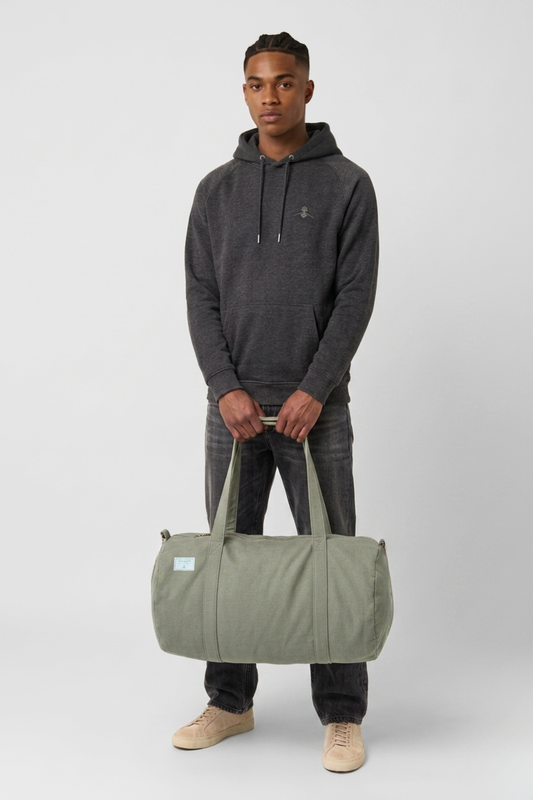
Bolsa de viaje sostenible - Verde Almendra
Vendor:GreenerRegular price $64.13 USDRegular price$67.50 USDSale price $64.13 USDSale -
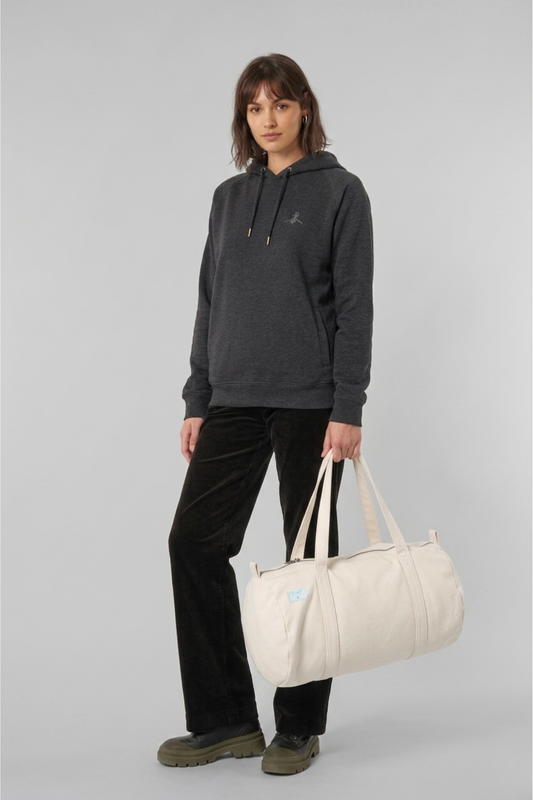
Bolsa de viaje sostenible - Marfil
Vendor:GreenerRegular price $64.13 USDRegular price$67.50 USDSale price $64.13 USDSale -
Bolsa de viaje sostenible - Azul mineral
Vendor:GreenerRegular price $64.13 USDRegular price$67.50 USDSale price $64.13 USDSale -
Atlas Backpack
Vendor:Jubilee Trading CompanyRegular price $199.00 USDRegular price








Why Buy Fair Trade Backpacks?
Backpack production is more complex than most bag categories — padded straps, internal framing, hardware assembly, multiple compartments, and often technical or water-resistant fabrics all require skilled workers. In conventional supply chains, that complexity doesn't consistently produce higher wages. Price pressure applies regardless of construction difficulty, and quality backpack factories face the same wage compression as those making simpler products.
Fair trade sourcing applies minimum wage and condition standards to the production process, ensuring construction complexity isn't used as a reason to source from lower-cost, less accountable facilities. For artisan backpack producers working with handwoven fabrics or natural materials, fair trade pricing reflects the actual skill and labor involved rather than the mass-production benchmark.
A quality backpack is a long-term purchase — chosen for durability, used daily, expected to hold up. Buying fair trade means the workers behind that durability were compensated fairly for the skills that make it possible.
What makes a bag fair trade?
How can I tell if a backpack is actually fair trade?
Are workers who make fair trade backpacks paid fairly?


Verified ethically made
Every product on The Labour Movement meets our standards for Fair Trade production.
Featured certifiers and membership organizations


