
-
Evening Chai Jumpsuit in Neutral Beige
Vendor:REISTOR INCRegular price $152.00 USDRegular price -
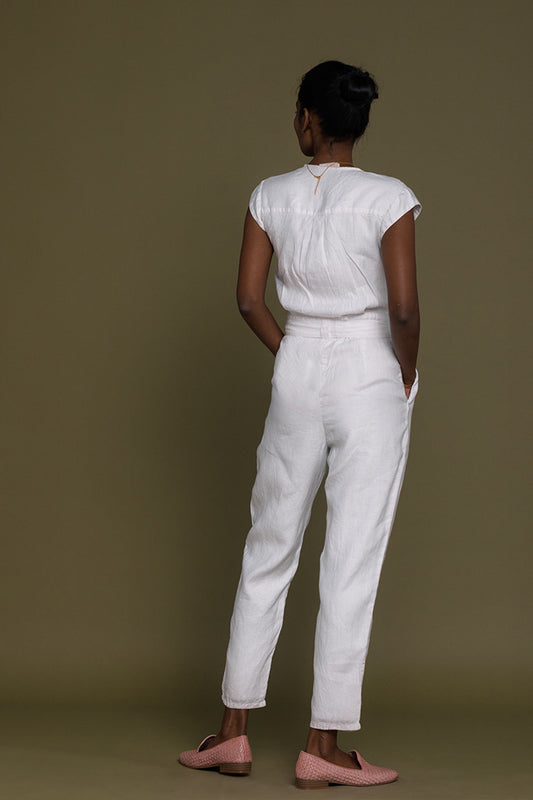
Evening Chai Jumpsuit in White
Vendor:REISTOR INCRegular price $152.00 USDRegular price$0.00 USDSale price $152.00 USD -
Rainey Dot Embroidered Terry Capri Jumpsuit
Vendor:Threads 4 ThoughtRegular price $68.60 USDRegular price$98.00 USDSale price $68.60 USDSale -
Eira Smocked Jersey Jumpsuit
Vendor:Threads 4 ThoughtRegular price $98.00 USDRegular price -
Colleen Island Flora Print Woven Jumpsuit
Vendor:Threads 4 ThoughtRegular price $68.60 USDRegular price$98.00 USDSale price $68.60 USDSale -
Lucille Luxe Jersey Jumpsuit
Vendor:Threads 4 ThoughtRegular price $44.50 USDRegular price$89.00 USDSale price $44.50 USDSale -
Tansie Micro Bloom Print Luxe Jersey Romper
Vendor:Threads 4 ThoughtRegular price $41.30 USDRegular price$59.00 USDSale price $41.30 USDSale -
Elise Modal Terry Jumpsuit
Vendor:Threads 4 ThoughtRegular price $59.50 USDRegular price$85.00 USDSale price $59.50 USDSale -
Ingrid Modal Terry Romper
Vendor:Threads 4 ThoughtRegular price $48.30 USDRegular price$69.00 USDSale price $48.30 USDSale -
Rainey Jacquard Terry Patch Pocket Jumpsuit
Vendor:Threads 4 ThoughtRegular price $49.00 USDRegular price$98.00 USDSale price $49.00 USDSale -
Ayesha Marble Rib Twist Jumpsuit
Vendor:Threads 4 ThoughtRegular price $49.00 USDRegular price$98.00 USDSale price $49.00 USDSale -
Livvie Smocked Jersey Jumpsuit
Vendor:Threads 4 ThoughtRegular price $55.00 USDRegular price$110.00 USDSale price $55.00 USDSale -
Lilyanna Smocked Jersey Flutter Sleeve Jumpsuit
Vendor:Threads 4 ThoughtRegular price $44.50 USDRegular price$89.00 USDSale price $44.50 USDSale -
Livvie Smocked Jersey Jumpsuit
Vendor:Threads 4 ThoughtRegular price $55.00 USDRegular price$110.00 USDSale price $55.00 USDSale -
Rainey Stretch Chambray Jumpsuit
Vendor:Threads 4 ThoughtRegular price $44.50 USDRegular price$89.00 USDSale price $44.50 USDSale -
Alexis Stretch Chambray Jumpsuit
Vendor:Threads 4 ThoughtRegular price $62.50 USDRegular price$125.00 USDSale price $62.50 USDSale




Why Buy Fair Trade One-Pieces?
One-pieces are technically demanding garments. Getting the fit right across the full body requires skilled pattern making, careful grading across sizes, and consistent sewing quality. In conventional supply chains, this complexity doesn't consistently translate into higher wages — piece-rate systems often fail to account for the additional skill and time one-pieces require compared to simpler garments.
Fair trade sourcing applies minimum wage standards regardless of garment type, ensuring workers producing complex items aren't penalized by piece-rate structures that undervalue skill. For artisan producers making one-pieces with handwork or traditional textile elements, fair trade pricing reflects the actual production time involved.
A fair trade one-piece is a confident purchase — in terms of both the garment's construction and the conditions under which it was made. The supply chain transparency that fair trade requires makes those claims verifiable rather than assumed.
What is fair trade clothing?
How can I tell if one-pieces are actually fair trade?
Are the workers who make these one-pieces paid fairly?


Verified ethically made
Every product on The Labour Movement meets our standards for Fair Trade production.
Featured certifiers and membership organizations


