
-
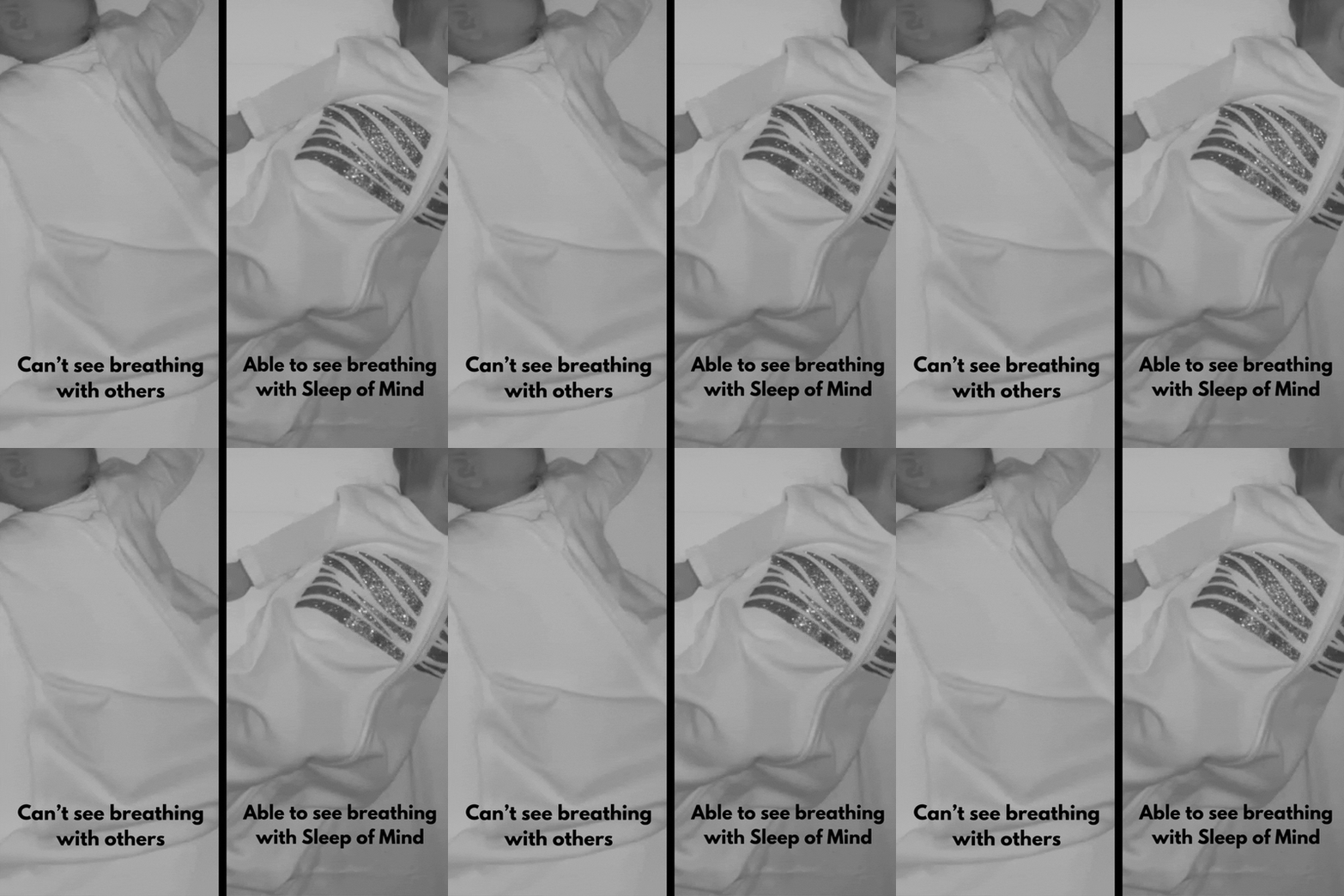
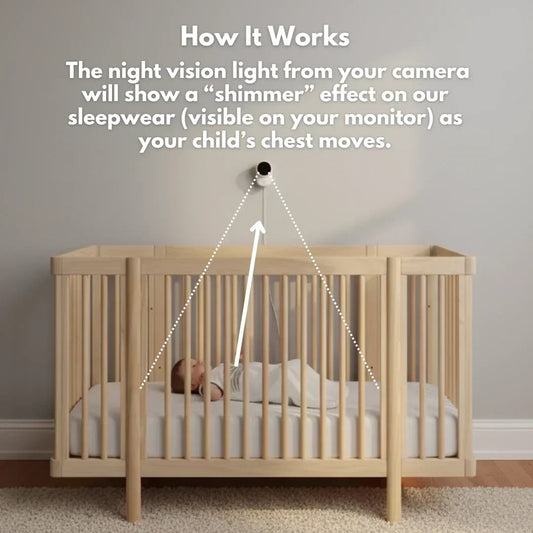
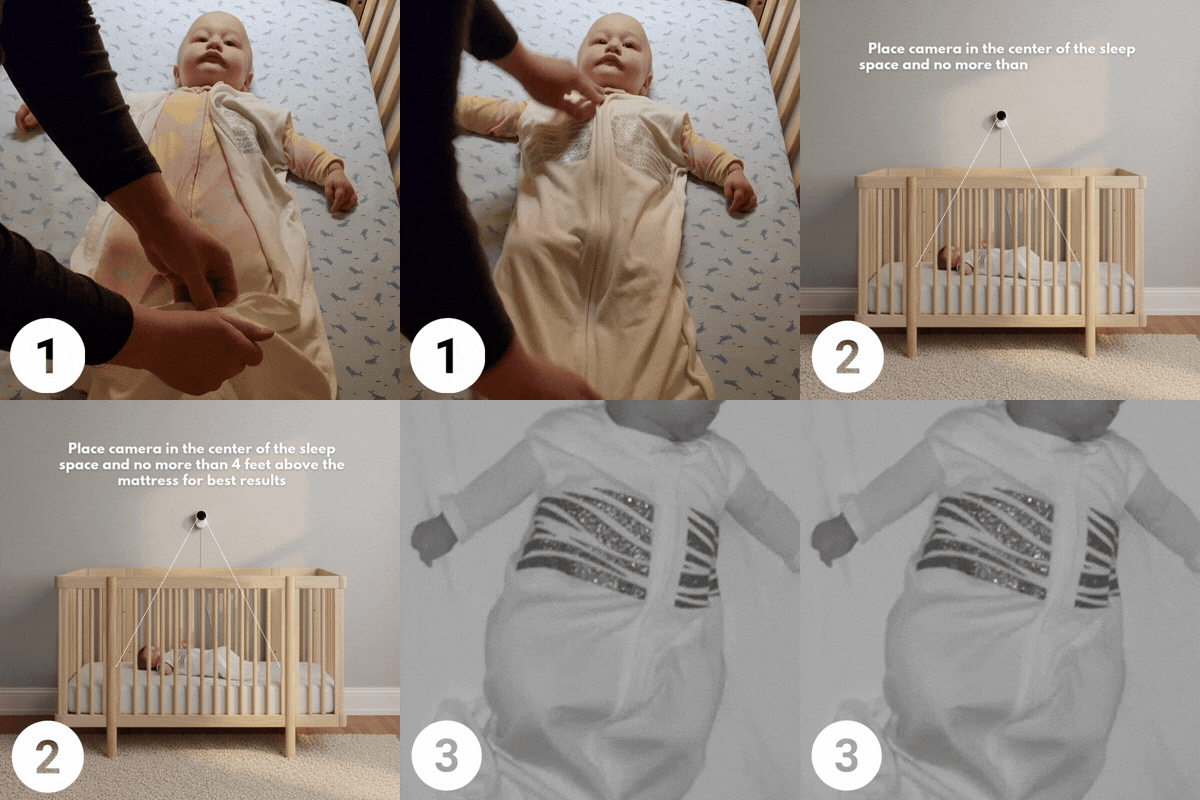
Breathing Reassurance Baby Sleep Sack
Vendor:Sleep of MindRegular price $69.00 USDRegular price -
First 6 Months Bundle | 0 - 6m
Vendor:Sleep of MindRegular price $89.00 USDRegular price -

 Sold out
Early Stages Bundle | 0 - 6 months
Vendor:Sleep of MindRegular price $79.00 USDRegular price -
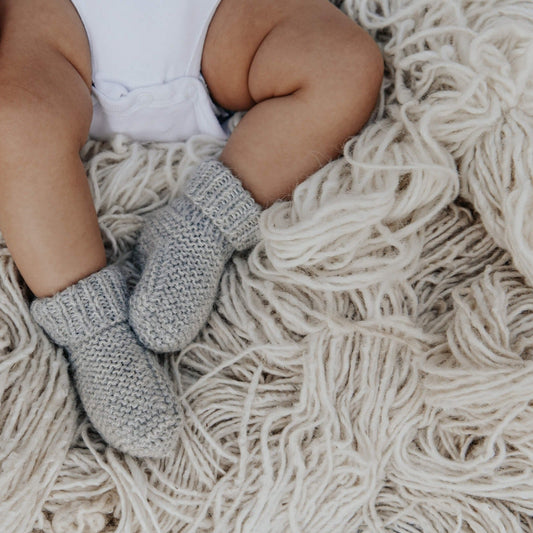
Muku Knit Baby Booties
Vendor:AwamakiRegular price $30.00 USDRegular price -
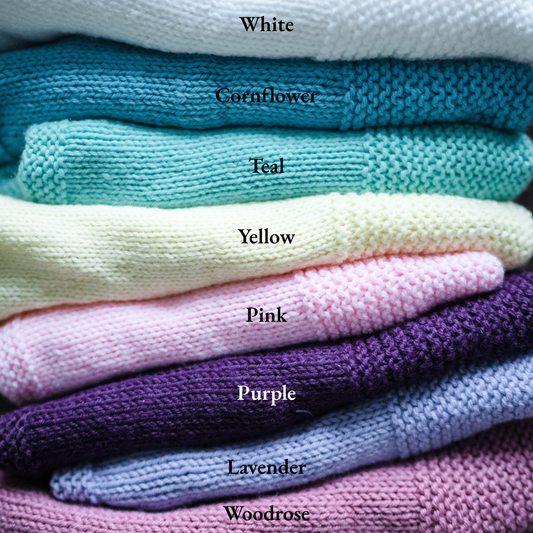
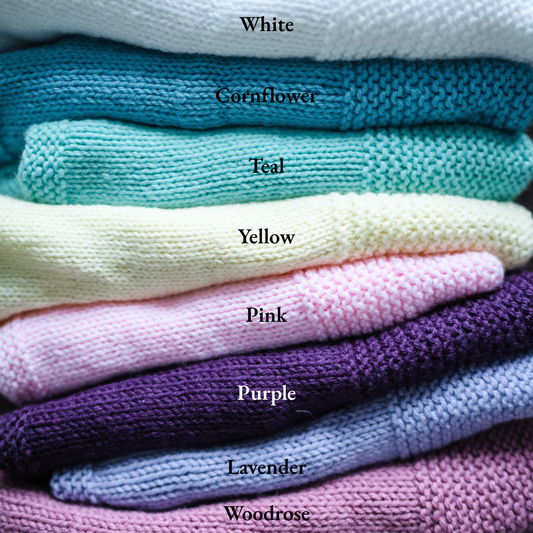
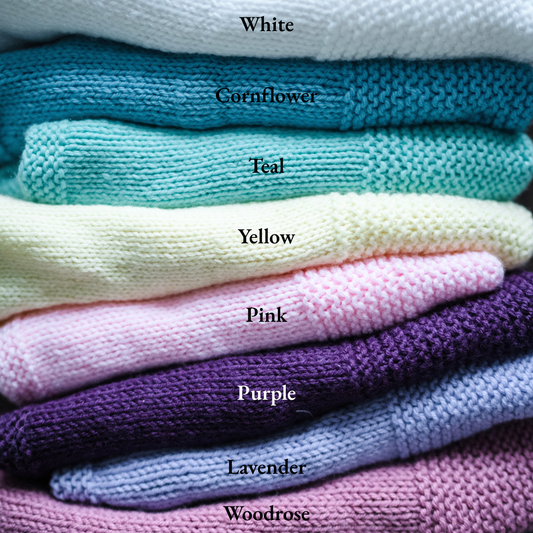
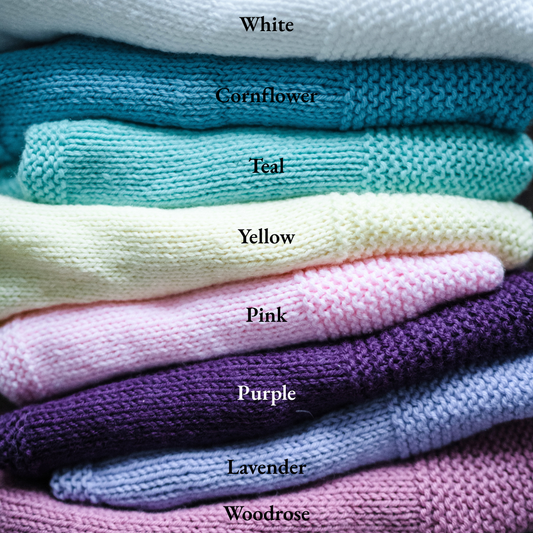
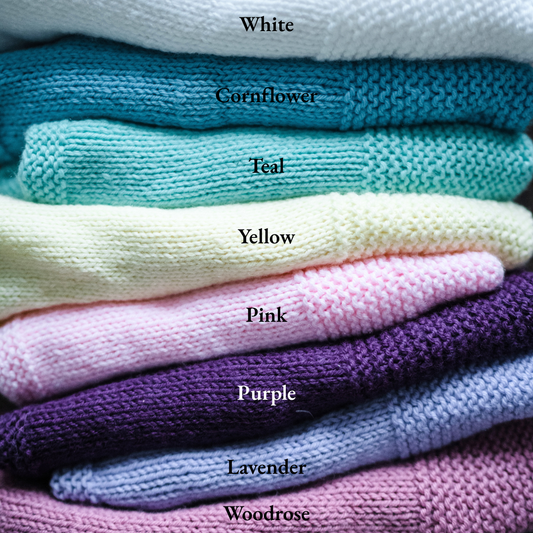
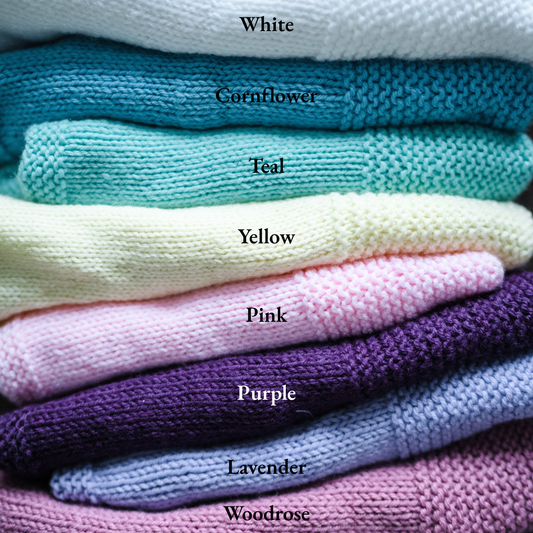
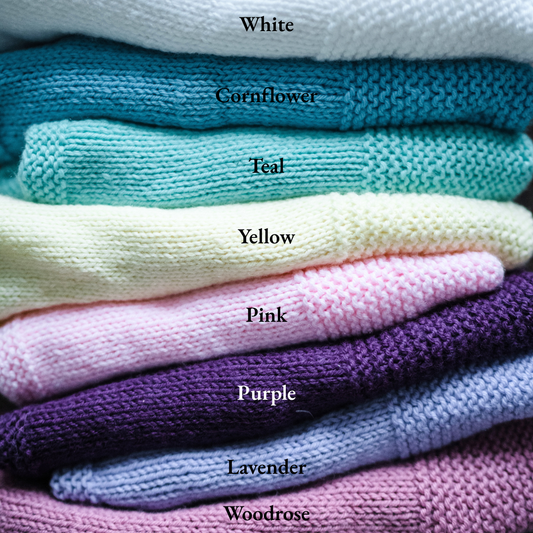
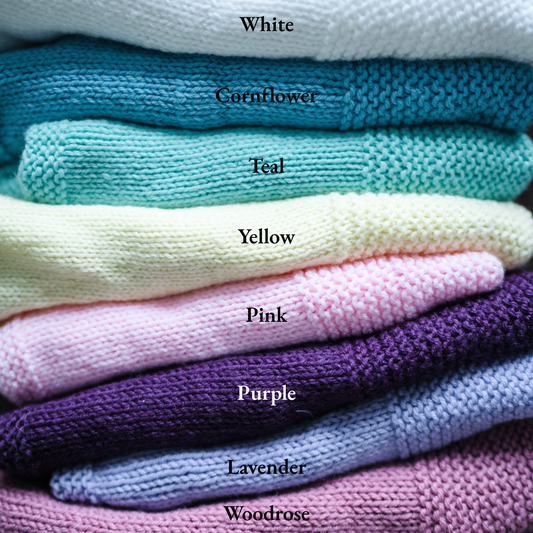
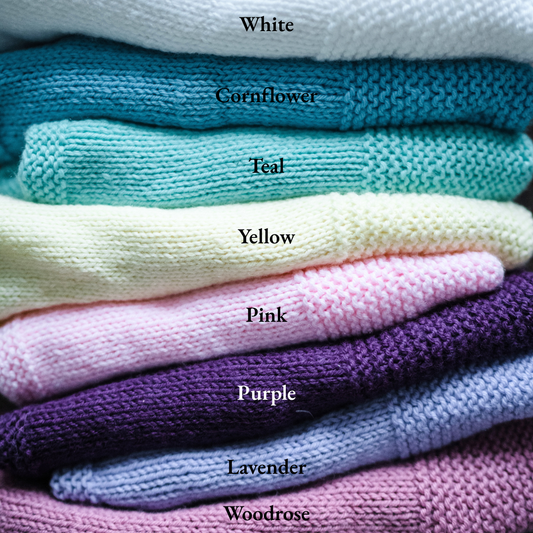
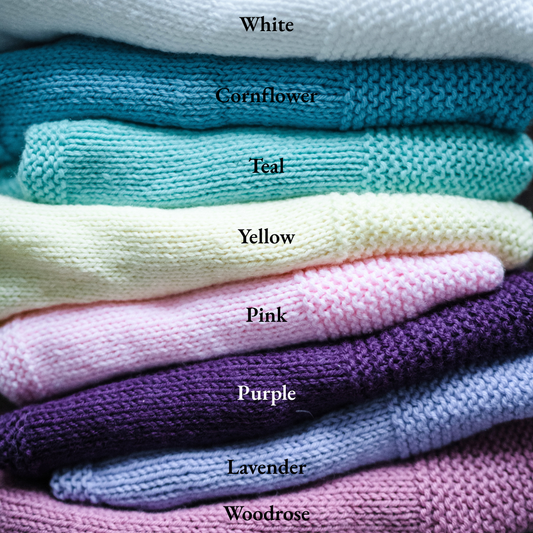
Hand-Knit Baby Sweater in White
Vendor:Maison d’HaitiRegular price From $40.00 USDRegular price -
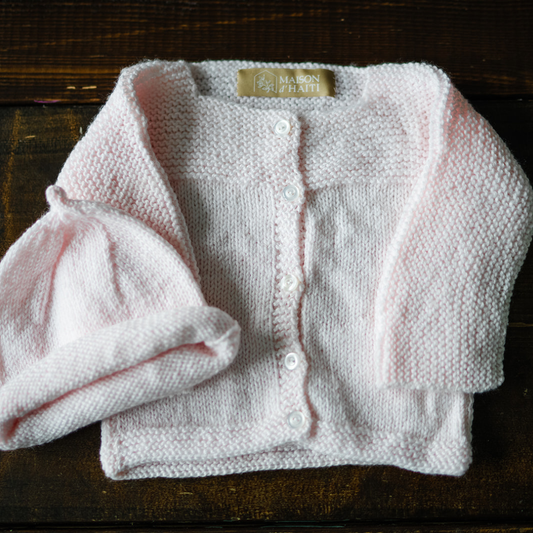
Hand-Knit Baby Sweater in Pink
Vendor:Maison d’HaitiRegular price From $16.00 USDRegular price$40.00 USDSale price From $16.00 USDSale -
Hand-Knit Baby Sweater in Baby Blue
Vendor:Maison d’HaitiRegular price From $40.00 USDRegular price -
Hand-Knit Baby Sweater in Cornflower Blue
Vendor:Maison d’HaitiRegular price From $40.00 USDRegular price -
Hand-Knit Baby Sweater in Yellow
Vendor:Maison d’HaitiRegular price From $40.00 USDRegular price -
Hand-Knit Baby Sweater in Red
Vendor:Maison d’HaitiRegular price From $40.00 USDRegular price -
Hand-Knit Baby Sweater in Baby Pink
Vendor:Maison d’HaitiRegular price From $40.00 USDRegular price -
Hand-Knit Baby Sweater in Lavender
Vendor:Maison d’HaitiRegular price From $40.00 USDRegular price -
Hand-Knit Baby Sweater in Turquoise
Vendor:Maison d’HaitiRegular price From $40.00 USDRegular price -
Hand-Knit Baby Sweater in Teal
Vendor:Maison d’HaitiRegular price From $16.00 USDRegular price$40.00 USDSale price From $16.00 USDSale -
Hand-Knit Baby Sweater in Moss Green
Vendor:Maison d’HaitiRegular price From $40.00 USDRegular price -
Hand-Knit Baby Sweater in Purple
Vendor:Maison d’HaitiRegular price From $40.00 USDRegular price

















Why Buy Fair Trade Baby Clothing?
Baby clothing production runs through the same factory systems as adult garments — with the added consideration of chemical safety for materials in contact with infant skin. Dyes, fabric finishes, and softening treatments used in conventional baby garment production may involve compounds regulated differently for infant products, and supply chain visibility into these inputs is often limited in conventional sourcing.
Fair trade sourcing for baby clothing applies labor standards at the production stage — the same wage and condition requirements as for adult garments — and in many cases extends to material safety standards verifying dyes and finishes meet restricted substance requirements for infant products. This combination is more reliably achieved under the long-term producer relationships that fair trade sourcing supports.
Baby clothing is among the most considered purchases most people make. Buying fair trade means the garments worn against infant skin were made by workers treated fairly, in environments that take material safety seriously — two standards worth holding to the same level of accountability as the product itself.
Why is fair trade especially important for baby clothing?
Does fair trade also address child labor risks in baby clothing?
How are low prices achieved without exploiting workers?


Verified ethically made
Every product on The Labour Movement meets our standards for Fair Trade production.
Featured certifiers and membership organizations


