
-
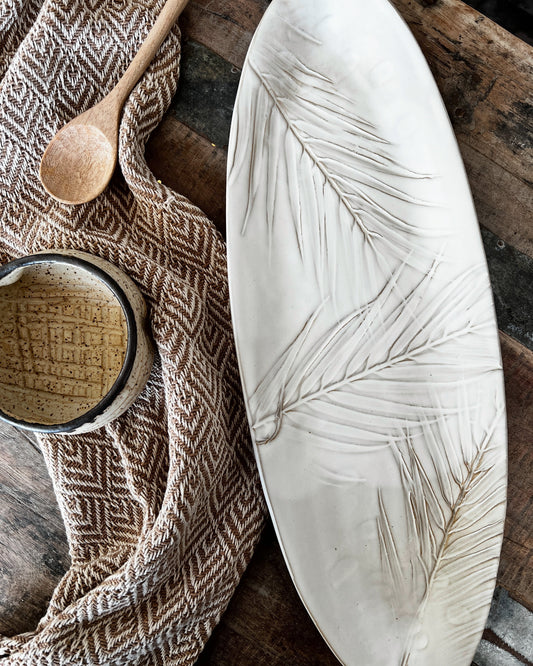
Sandalwood Fern Oval Platter
Vendor:Powered by PeopleRegular price $175.00 USDRegular price -
Stinson Antique Brass Large Pedestal
Vendor:Powered by PeopleRegular price $312.50 USDRegular price -
Hand-etched Blown Carafe Set
Vendor:Powered by PeopleRegular price $112.00 USDRegular price -
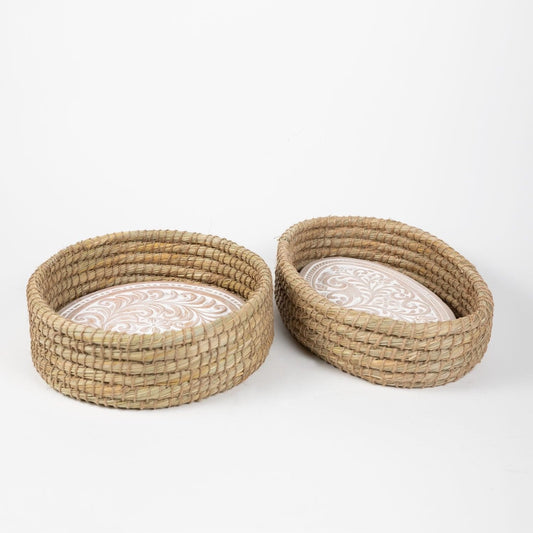
Toasty Bread Basket
Vendor:Powered by PeopleRegular price $38.00 USDRegular price -
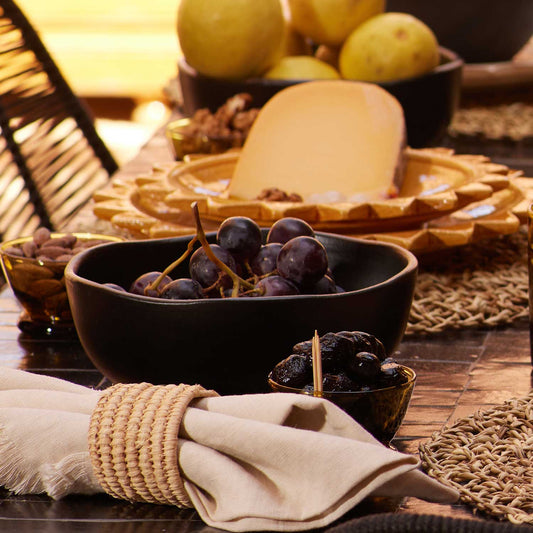
Handcrafted Modern Ceramic Serving Bowl
Vendor:Powered by PeopleRegular price $62.00 USDRegular price -
Handblown Fluted Pitcher
Vendor:Powered by PeopleRegular price From $30.00 USDRegular price -
Fluted Tall Carafe Set
Vendor:Powered by PeopleRegular price $78.00 USDRegular price -
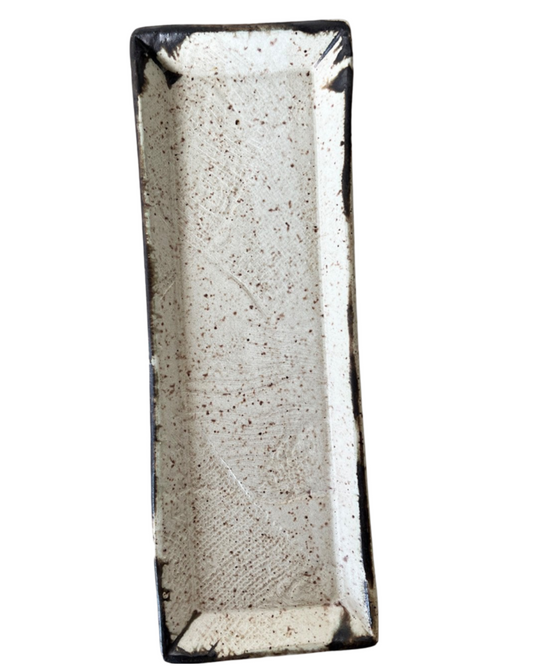
Luna Medium Rectangular Tray
Vendor:Powered by PeopleRegular price $50.00 USDRegular price -
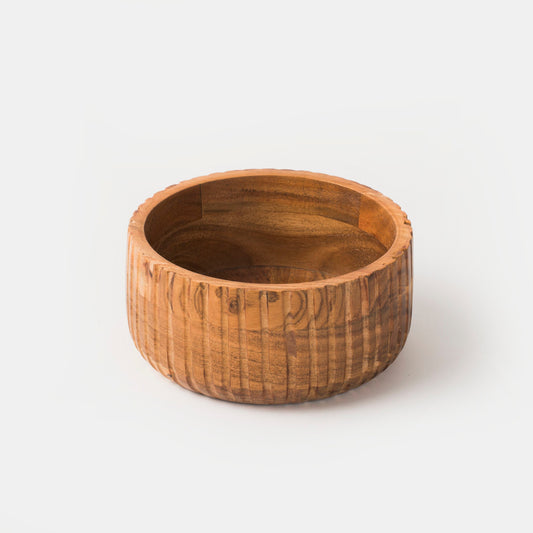
Etta Acacia Wood Bowls
Vendor:Powered by PeopleRegular price From $30.00 USDRegular price -
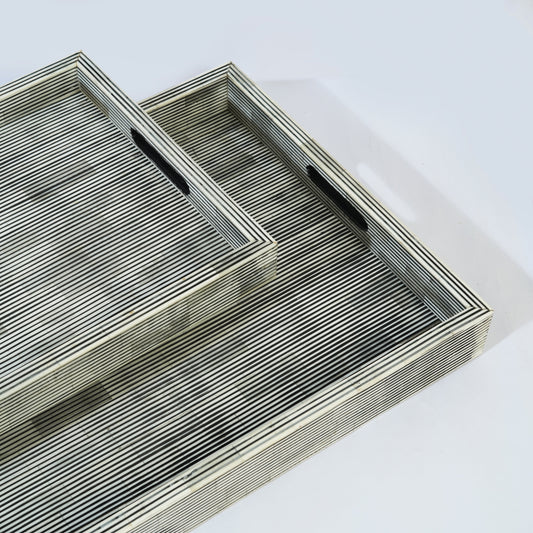
Pinstripe Bone Inlay Trays
Vendor:Powered by PeopleRegular price From $150.00 USDRegular price -
Hand-painted Margot Creamer, Brown
Vendor:Powered by PeopleRegular price $48.00 USDRegular price -
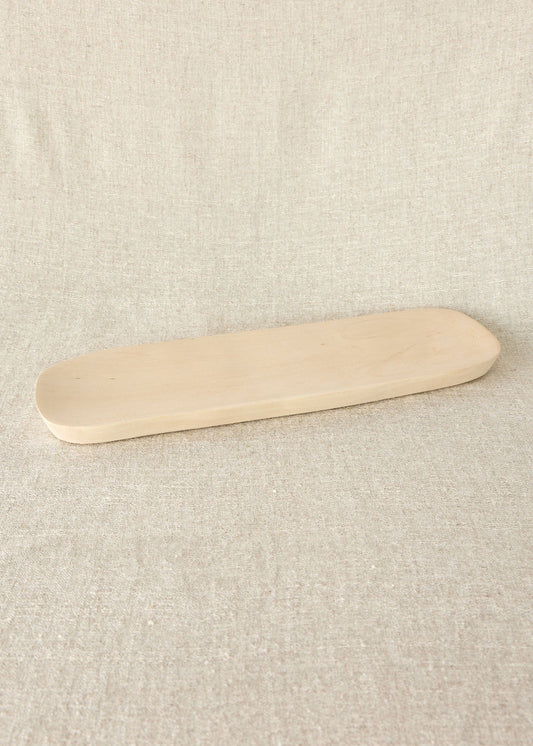
Organic Wooden Rectangle Bread Platter
Vendor:Powered by PeopleRegular price $56.00 USDRegular price













Why Buy Fair Trade Serveware?
Serveware spans ceramic, wood, and mixed-material production — serving bowls, platters, boards, and table accessories that are as much display objects as functional tools. Handmade serveware is craft-intensive: a ceramic serving bowl requires throwing, glazing, and firing; a wooden platter requires careful timber selection, turning, and finishing. Each involves skilled makers working individually on pieces used and seen at every shared meal.
Fair trade sourcing applies wage and condition standards at the artisan production level and pricing that reflects the actual craft labor involved — not what a cast or machine-turned alternative would cost. For ceramic and wood artisan producers, fair trade buyer relationships provide the income stability needed to invest in materials, tools, and the production skills that distinguish handmade serveware from its industrial equivalent.
Serveware is both functional and social — present at meals, chosen to reflect how you want your table to look. Buying fair trade means the craftsmanship behind it was produced under conditions that take the maker's welfare as seriously as the quality of the object itself.
What is fair trade home and garden decor?
What makes fair trade tableware different from mass-produced items?
Are artisans paid fairly for fair trade tableware?



Verified ethically made
Every product on The Labour Movement meets our standards for Fair Trade production.
Featured certifiers and membership organizations


