
-
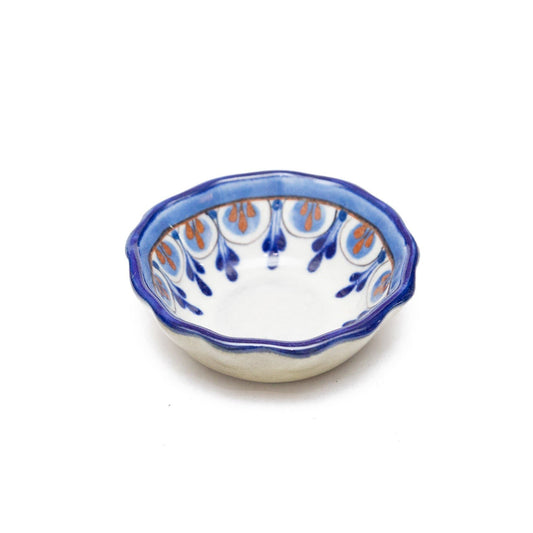
Dubai After Dark Bowl
Vendor:Rosie’s Boutique HaitiRegular price From $13.00 USDRegular price -
Palopo Mini-Plates (Set of 4)
Vendor:Intertwined: Handmade for GoodRegular price $59.00 USDRegular price -
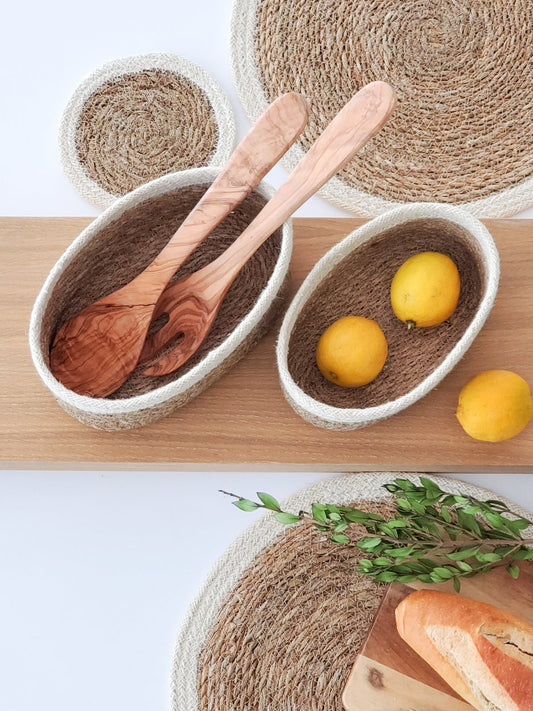
Savar Oval Bowl (Set of 3)
Vendor:KORISSARegular price $49.00 USDRegular price -
Petite Stoneware Bowl/Saucer
Vendor:Upavim CraftsRegular price $14.50 USDRegular price



Why Buy Fair Trade Dinnerware?
Handmade ceramic dinnerware involves wheel throwing or hand-building, glazing, and kiln firing — a multi-stage process requiring skilled craft at each step. Plates and bowls made by hand carry the maker's character in their form, glaze variation, and surface texture. In conventional tableware import markets, this handcraft is often priced against industrial alternatives, compressing the wholesale paid to artisan producers.
Fair trade sourcing applies minimum pricing and wage standards that reflect the actual labor content of handmade production. For ceramic artisan producers, fair trade pricing accounts for the throwing, trimming, glazing, and firing time involved in each piece — the disciplines that make handmade dinnerware what it is.
Dinnerware is used at every meal and handled daily for years. Buying fair trade means the artisan who made each piece was compensated fairly for the skill that shaped it — and the sourcing relationship sustaining that craft is built on equitable terms.
What is fair trade home and garden decor?
What makes fair trade tableware different from mass-produced items?
Are artisans paid fairly for fair trade tableware?



Verified ethically made
Every product on The Labour Movement meets our standards for Fair Trade production.
Featured certifiers and membership organizations


