
-
Abbey Cotton Terry Sweater Mix Jacket
Vendor:Threads 4 ThoughtRegular price $168.00 USDRegular price -
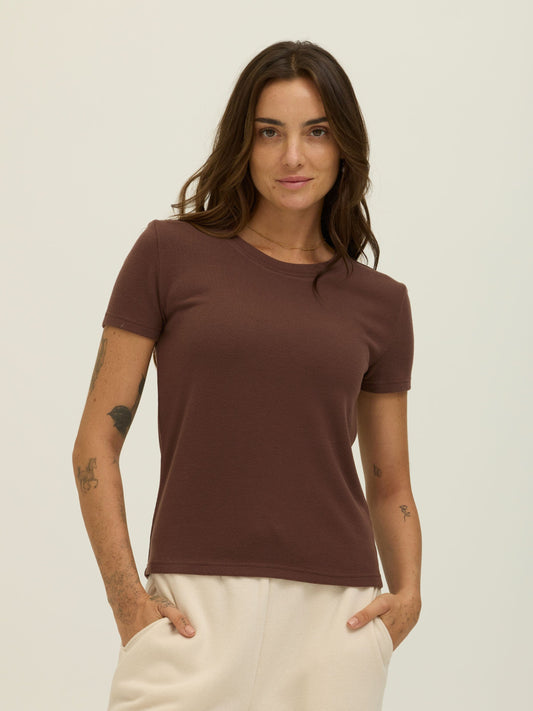
Gwenda Sweater Knit Tee
Vendor:Threads 4 ThoughtRegular price $55.00 USDRegular price -
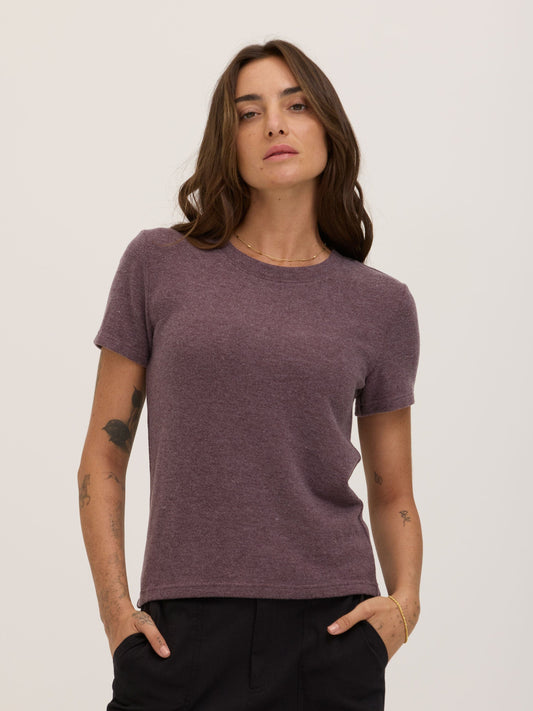
Gwenda Sweater Knit Tee
Vendor:Threads 4 ThoughtRegular price $55.00 USDRegular price -
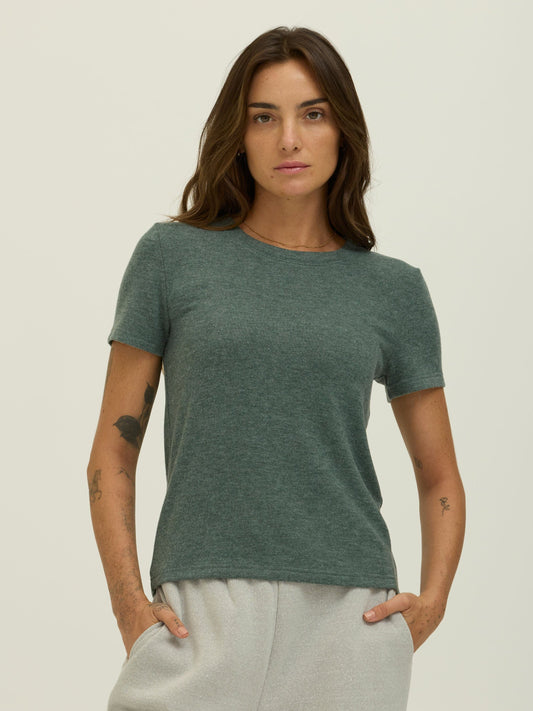
Gwenda Sweater Knit Tee
Vendor:Threads 4 ThoughtRegular price $55.00 USDRegular price -
Gwenda Sweater Knit Tee
Vendor:Threads 4 ThoughtRegular price $55.00 USDRegular price -

 Sold out
Alejandro Raglan Crew Sweater
Vendor:Threads 4 ThoughtRegular price $68.60 USDRegular price$98.00 USDSale price $68.60 USDSold out -
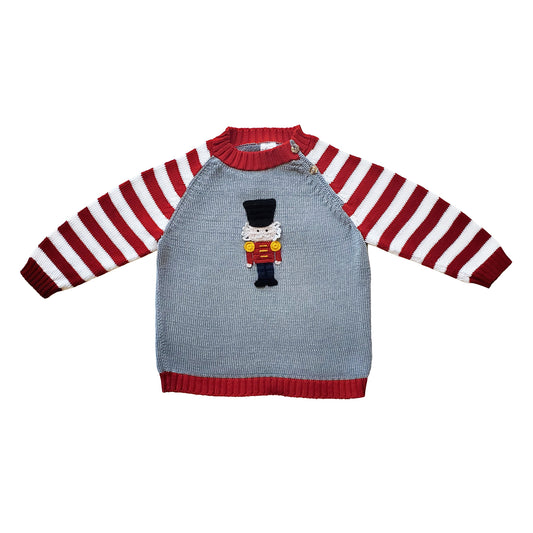
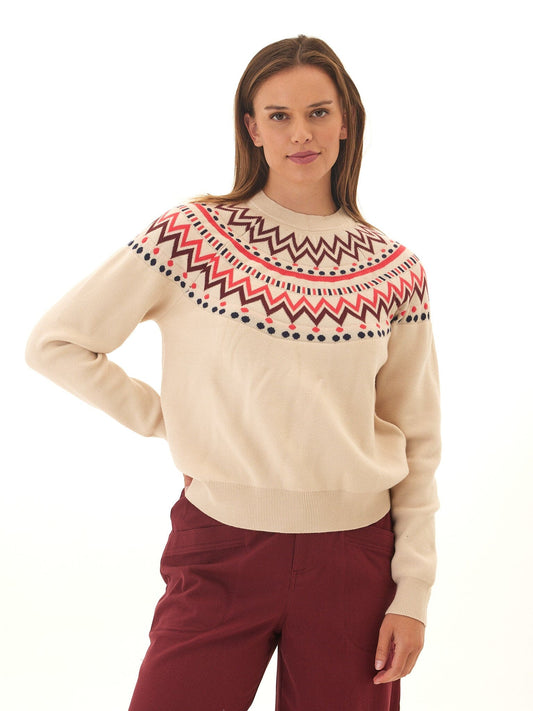
Nutcracker Sweater
Vendor:Mélange CollectionRegular price $65.00 USDRegular price -
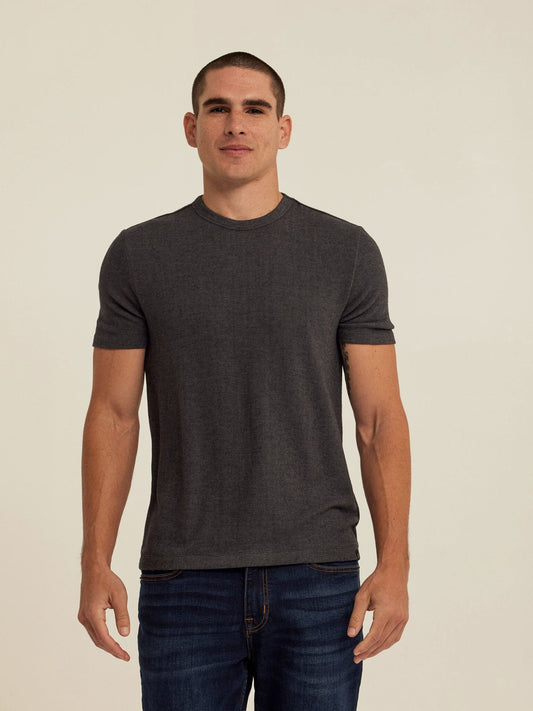
Gil Sweater Knit Short Sleeve Tee
Vendor:Threads 4 ThoughtRegular price $64.00 USDRegular price -
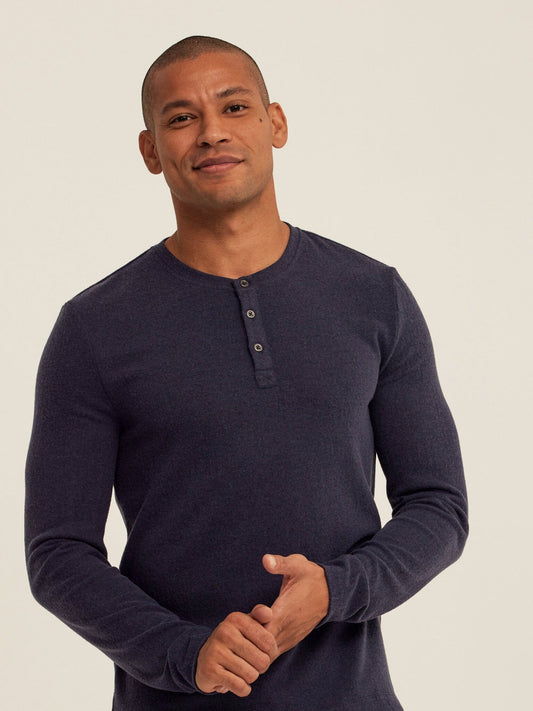
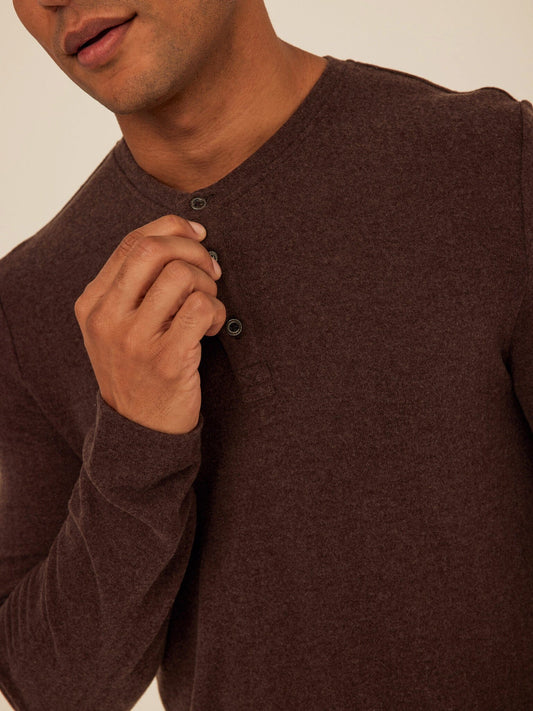
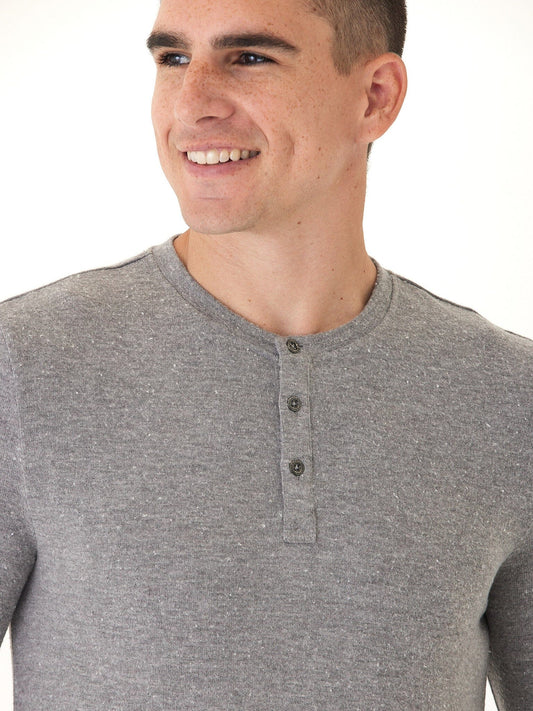
Elias Sweater Knit Long Sleeve Henley
Vendor:Threads 4 ThoughtRegular price $78.00 USDRegular price -
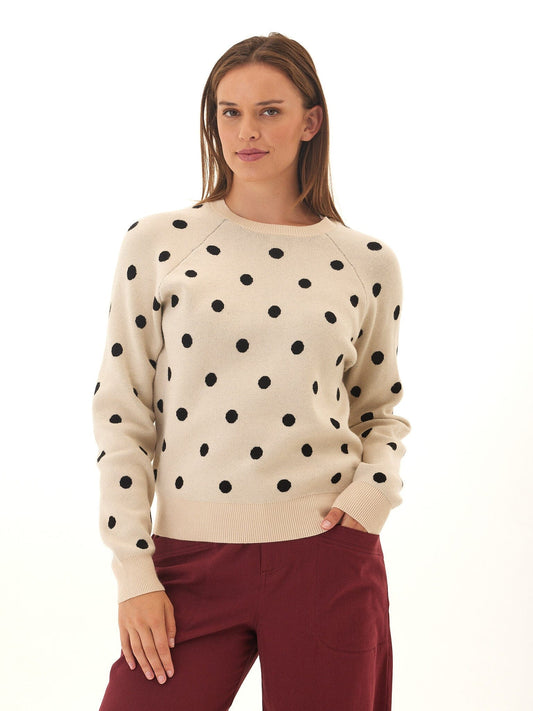
Deandra Cozy Sweater
Vendor:Threads 4 ThoughtRegular price $80.00 USDRegular price -
Elias Sweater Knit Long Sleeve Henley
Vendor:Threads 4 ThoughtRegular price $78.00 USDRegular price -
Elias Sweater Knit Long Sleeve Henley
Vendor:Threads 4 ThoughtRegular price $78.00 USDRegular price -
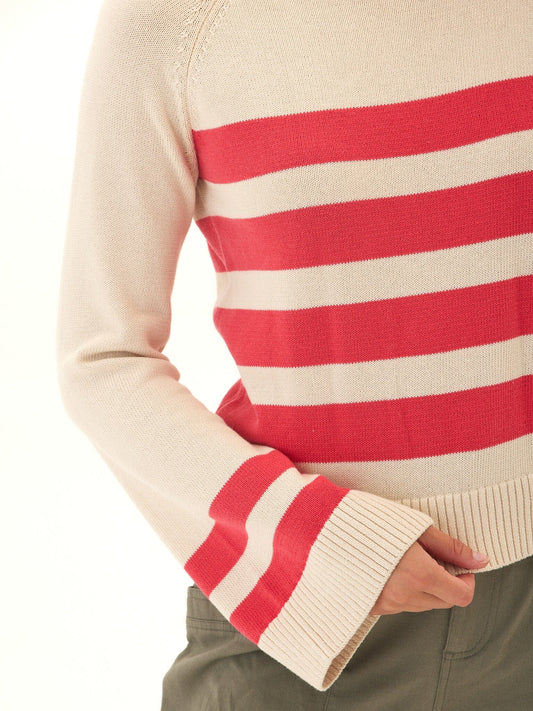
Saundra Striped Cotton Blend Raglan Sweater
Vendor:Threads 4 ThoughtRegular price $49.00 USDRegular price$98.00 USDSale price $49.00 USDSale -
Deandra Cozy Sweater
Vendor:Threads 4 ThoughtRegular price $80.00 USDRegular price -

 Sale
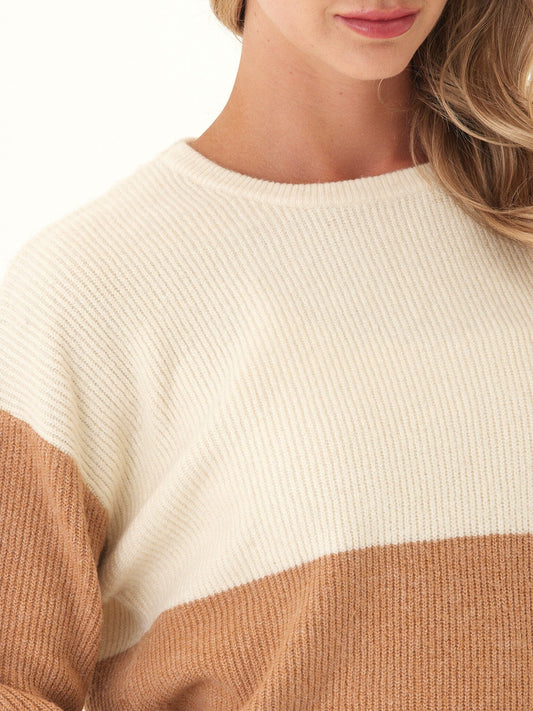
SaleBeryl Stripe Sweater
Vendor:Threads 4 ThoughtRegular price $64.00 USDRegular price$128.00 USDSale price $64.00 USDSale -
Simone Button Detail Sweater
Vendor:Threads 4 ThoughtRegular price $64.00 USDRegular price$128.00 USDSale price $64.00 USDSale


















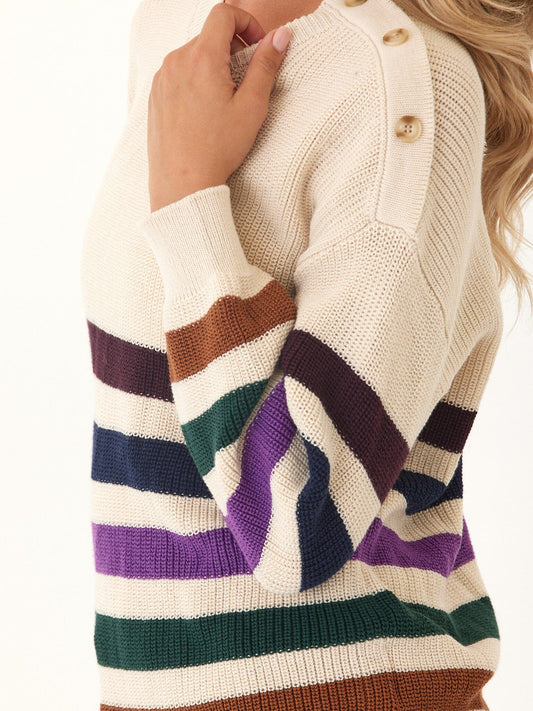
Why Buy Fair Trade Sweaters?
Sweaters come from two distinct production models: industrial machine knitting at volume, and hand-knitting by artisan producers. Industrial knitwear factories share the same labor dynamics as other garment facilities — wage pressure, long hours, variable conditions. Artisan knitwear faces a different challenge: the labor intensity of hand-knitting is substantial, but markets priced to machine-knit equivalents don't reflect it.
Fair trade addresses both. For factory knitwear, it applies standard wage and condition requirements. For artisan knitwear, it establishes pricing that reflects actual production time — often significantly above what conventional buyers would offer for a hand-knitted piece. That's what makes artisan knitwear economically sustainable rather than a craft maintained at a loss.
A hand-knitted sweater represents hours of skilled work. Fair trade pricing ensures that work is compensated accurately — not as charity, but as an honest accounting of what the labor is worth.
What is fair trade clothing?
How can I tell if sweaters are actually fair trade?
Are the workers who make these sweaters paid fairly?


Verified ethically made
Every product on The Labour Movement meets our standards for Fair Trade production.
Featured certifiers and membership organizations


