
-
Metal Bowl with Abstract Beading, One of a Kind
Vendor:Haiti Fair Trade - It’s CactusRegular price $110.00 USDRegular price -
Handcrafted Rosewood Yarn Bowl with Unique Resin Accents
Vendor:Darn Good YarnRegular price $69.00 USDRegular price$69.00 USDSale price $69.00 USD -
Amari Loop Bin - Black
Vendor:KORISSARegular price From $30.00 USDRegular price -
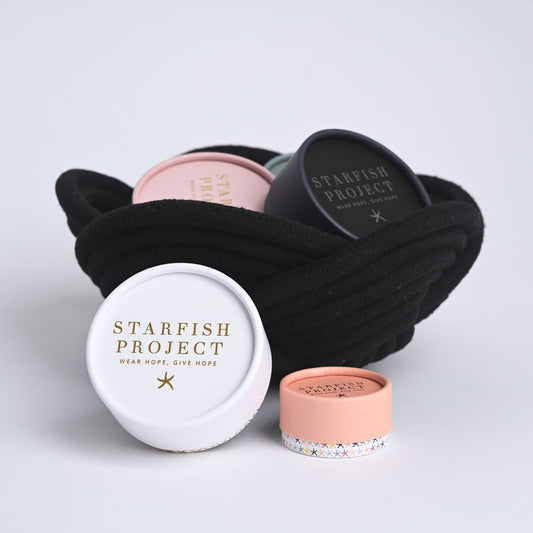
Believe Bowl Black
Vendor:Starfish ProjectRegular price $42.00 USDRegular price -
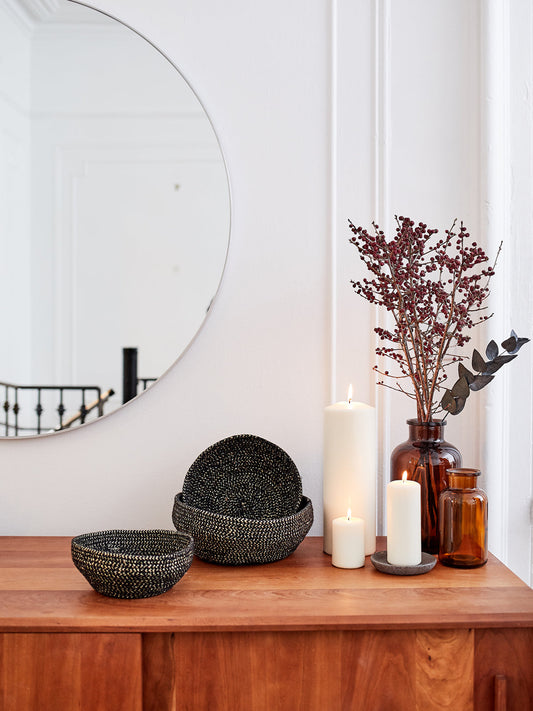
Glitter Bowl - Black (Set of 2)
Vendor:KORISSARegular price $65.00 USDRegular price -
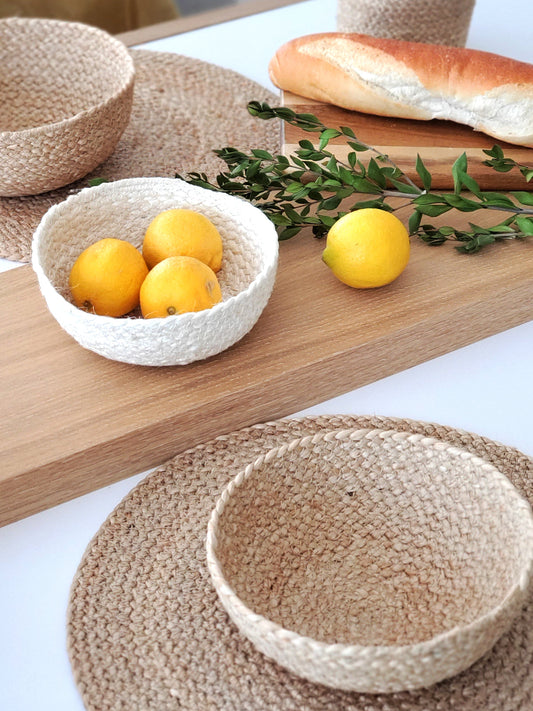
Kata Candy Bowl - White (Set of 4)
Vendor:KORISSARegular price $53.00 USDRegular price -
Kata Candy Bowl - Natural (Set of 4)
Vendor:KORISSARegular price $53.00 USDRegular price -
5 Dice Box Set - Handcrafted Wood
Vendor:Matr BoomieRegular price $25.50 USDRegular price$0.00 USDSale price $25.50 USD -
Amari Fruit Bowl - Black
Vendor:KORISSARegular price From $25.00 USDRegular price -
Amari Fruit Bowl - Blue
Vendor:KORISSARegular price From $25.00 USDRegular price -
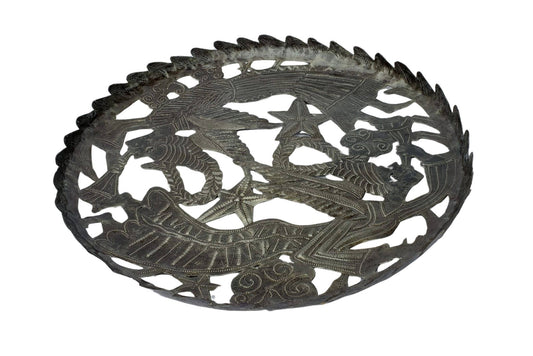
16" Metal Fruit Bowl, Angel Design, Home Decor
Vendor:Haiti Fair Trade - It’s CactusRegular price $34.00 USDRegular price -
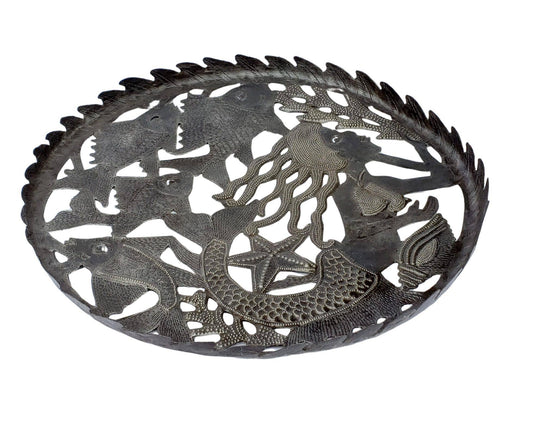
16" Metal Fruit Bowl, Mermaid Design, Nautical Home Decor
Vendor:Haiti Fair Trade - It’s CactusRegular price $34.00 USDRegular price











Why Buy Fair Trade Decorative Bowls?
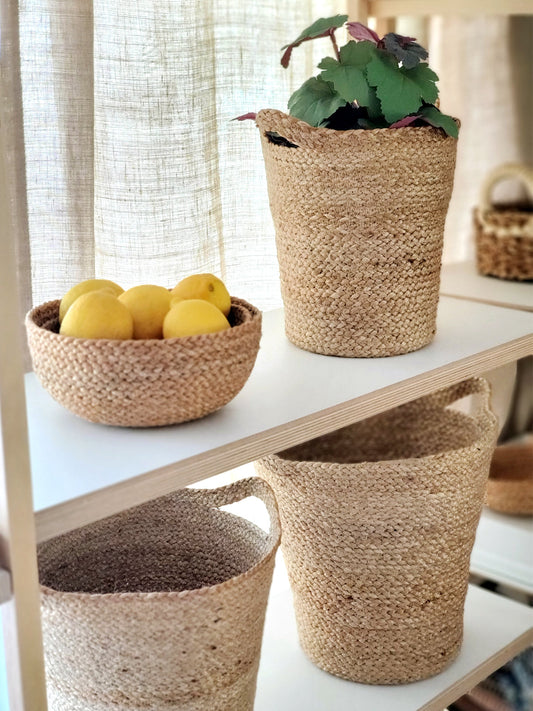
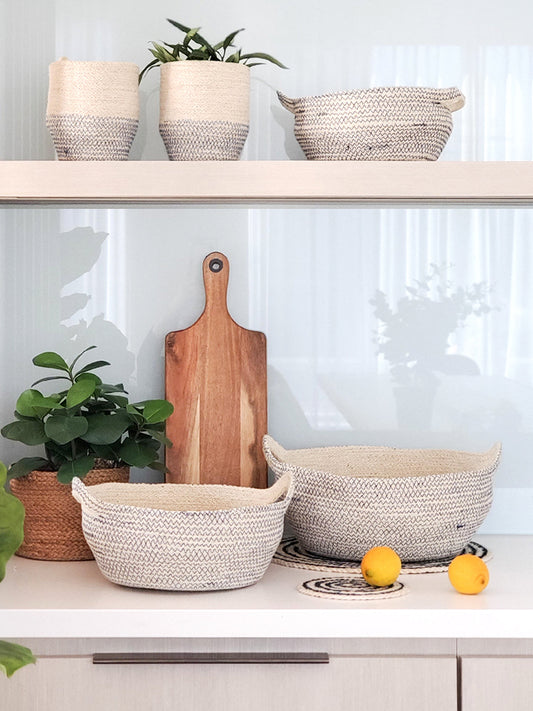
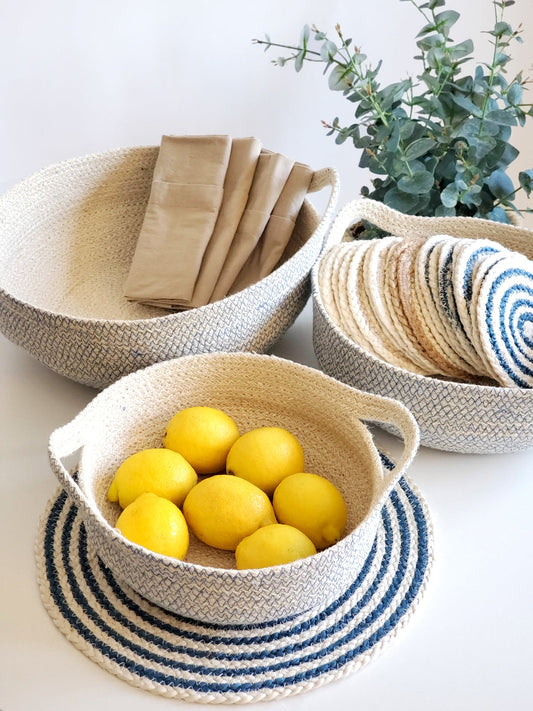
Decorative bowl production spans ceramic wheel throwing, hand-building, wood turning, and woven basketry — craft disciplines each requiring skilled makers working individually on each piece. The variation in form, glaze, and finish in handmade bowls directly reflects the artisan's skill and investment. In conventional markets, this handcraft is often purchased at prices that reflect the cheapest available production rather than the skill involved.
Fair trade sourcing applies wage and condition standards at the artisan production level, and pricing that reflects the actual time and skill in hand production. For ceramic throwers, wood turners, and basket weavers producing bowls, fair trade pricing ensures the skilled handwork behind each piece is compensated at a rate that sustains the craft rather than subsidizing below-cost production.
A handcrafted bowl is a daily presence — used or displayed, returned to consistently. Buying fair trade means the artisan who shaped it was compensated fairly, and the purchase supports continued production by skilled makers.
What is fair trade home and garden decor?
What makes fair trade home decor different from mass-produced items?
Are artisans paid fairly for fair trade home decor?



Verified ethically made
Every product on The Labour Movement meets our standards for Fair Trade production.
Featured certifiers and membership organizations


