
-
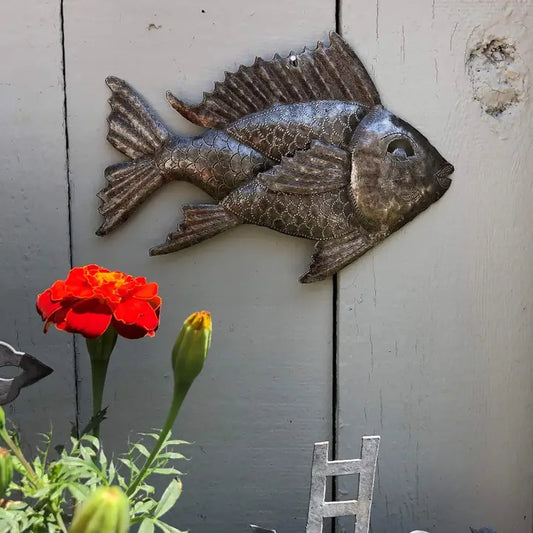
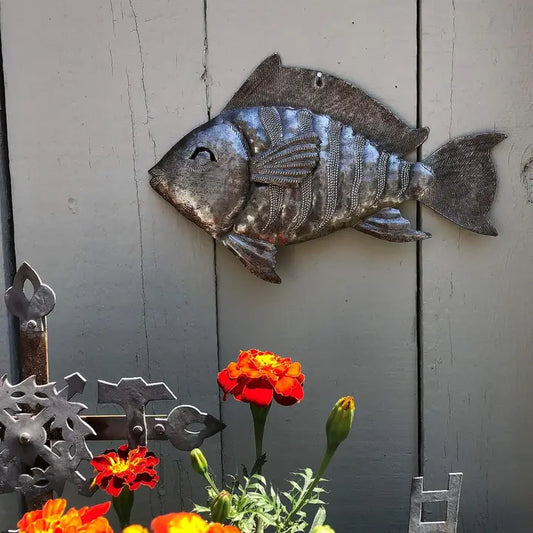
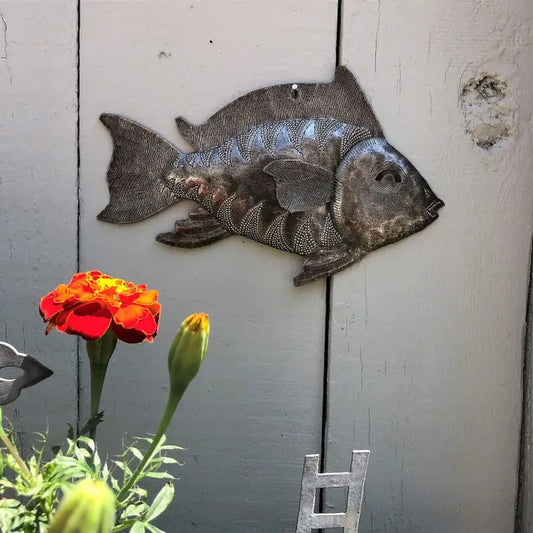
Haitian Metal Tropical Fish Wall Art Fair Trade 11" x 7"
Vendor:Haiti Fair Trade - It’s CactusRegular price $34.38 USDRegular price -
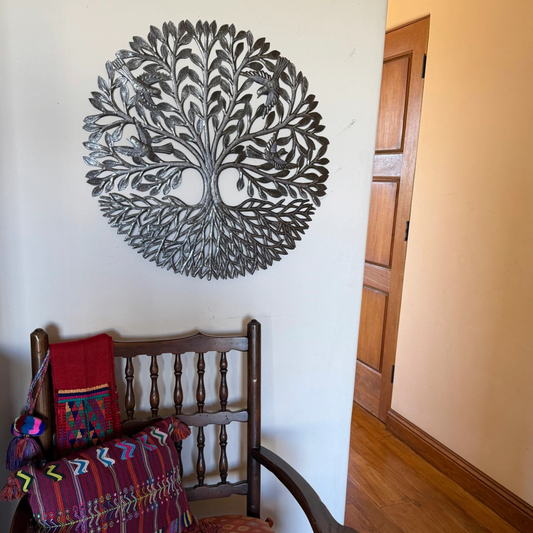
Tree of Life Birds Haitian Metal Wall Art 23" Fair Trade
Vendor:Haiti Fair Trade - It’s CactusRegular price $110.00 USDRegular price -
9" x 6" Fair Trade Handmade from Recycled
Vendor:Haiti Fair Trade - It’s CactusRegular price $34.38 USDRegular price -
9" x 6" Fair Trade Handmade from Recycled Fish Art
Vendor:Haiti Fair Trade - It’s CactusRegular price $34.38 USDRegular price -
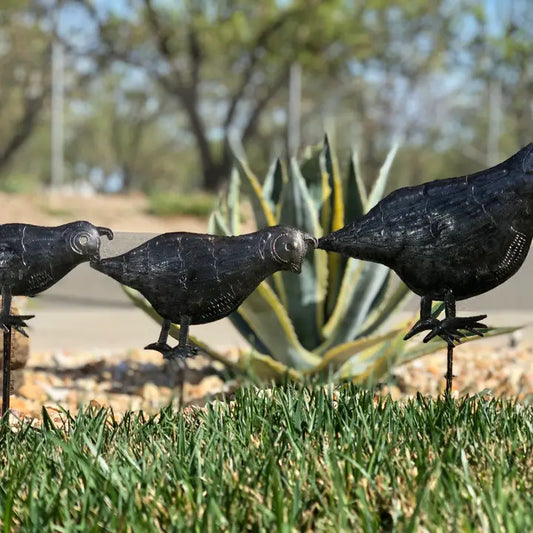
Set/3 Quail Garden Stakes, Yard Art, Handmade Fair-trade
Vendor:Haiti Fair Trade - It’s CactusRegular price $66.00 USDRegular price -
Haitian Metal Tropical Fish Wall Art Fair Trade 11" x 7"
Vendor:Haiti Fair Trade - It’s CactusRegular price $34.38 USDRegular price -
9" x 6" Fair Trade Handmade from Recycled Fish Art (Copy)
Vendor:Haiti Fair Trade - It’s CactusRegular price $34.38 USDRegular price -
Haitian Tropical Palm Tree Metal Art, Birds Sun Fair Trade
Vendor:Haiti Fair Trade - It’s CactusRegular price $110.00 USDRegular price -
Haitian Dragonfly Wall Art Garden Sculpture Handmade
Vendor:Haiti Fair Trade - It’s CactusRegular price $110.00 USDRegular price -
Haitian Palm Tree & Birds Metal Wall Art Recycled Oil Drum
Vendor:Haiti Fair Trade - It’s CactusRegular price $110.00 USDRegular price -
Mini Tree of Life Sculpture Haitian Folk Art Fair Trade
Vendor:Haiti Fair Trade - It’s CactusRegular price $16.50 USDRegular price -
Haitian Bee Hive Metal Wall Art Recycled Oil Drum Lid
Vendor:Haiti Fair Trade - It’s CactusRegular price $110.00 USDRegular price -


Mermaids Playing Music Wall Art, Under the Sea Home Decor, Handmade in Haiti, 23 Inches Round
Vendor:Haiti Fair Trade - It’s CactusRegular price $110.00 USDRegular price -
Recycled, Fair Trade, Sun Wall Decor, Wind Blown Rays 22"
Vendor:Haiti Fair Trade - It’s CactusRegular price $110.00 USDRegular price -
Child Mermaid Dreaming in the Sea, Haitian Metal Art, Mermaid Theme Room
Vendor:Haiti Fair Trade - It’s CactusRegular price $110.00 USDRegular price -
Haitian Sunflower & Hummingbird Metal Wall Art 23" Round
Vendor:Haiti Fair Trade - It’s CactusRegular price $110.00 USDRegular price










Why Buy Fair Trade Sculptures & Statues?
Sculpture production at artisan scale involves carving, casting, forming, and finishing — significant skill and considerable time per piece. A hand-carved stone sculpture, a cast bronze figure, or an individually formed ceramic piece represents hours of skilled labor that can't be meaningfully compressed without changing what the object is. In conventional import markets, that labor content is often underpriced because buyers have no visibility into actual production time.
Fair trade sculpture sourcing establishes pricing that reflects the actual hours and skill involved — not what the cheapest available workshop would charge for something superficially similar. For artisan carvers and casters, fair trade buyer relationships provide the income stability that sustains their craft and makes continued production viable as a livelihood.
A sculpture is a considered object — bought to occupy a specific space, returned to often. Buying fair trade means the skill that produced it was compensated at a level that reflects its value, and the maker's livelihood is sustained rather than extracted by the purchase.
What is fair trade home and garden decor?
How do fair trade home products support artisans?
What makes fair trade home decor different from mass-produced items?


Verified ethically made
Every product on The Labour Movement meets our standards for Fair Trade production.
Featured certifiers and membership organizations


