
-
African Wildlife Embroidered Cotton Napkins | Set of 4
Vendor:EcoduniaRegular price $34.00 USDRegular price -
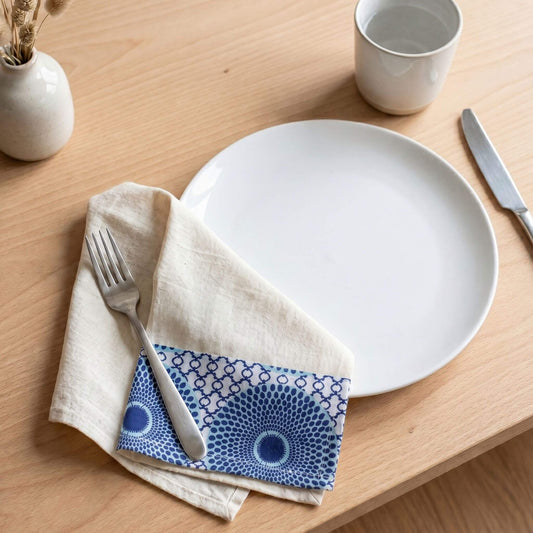
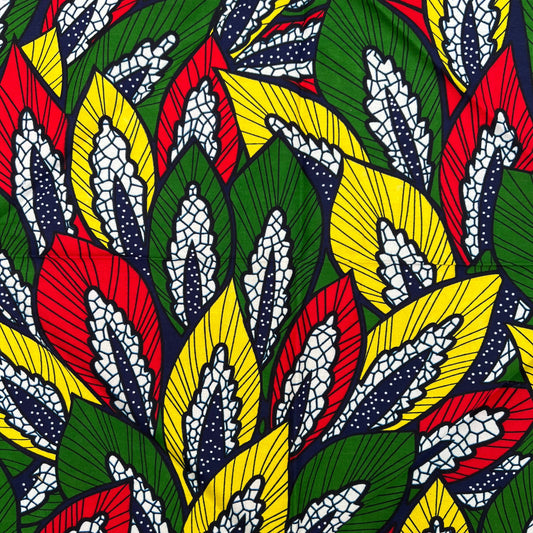
African Print Cotton Cloth Table Napkins | Set of 4
Vendor:EcoduniaRegular price $32.00 USDRegular price -
Bird Embroidered Cotton Cloth Napkins | Set of 4
Vendor:EcoduniaRegular price $34.00 USDRegular price -
Fall Cocktail Napkin Set (set of 4)
Vendor:Maison d’HaitiRegular price $45.00 USDRegular price$60.00 USDSale price $45.00 USDSale -
Christmas Tree Cocktail Napkins (set of 4)
Vendor:Maison d’HaitiRegular price $60.00 USDRegular price -

 Sold out
Corte Cloth Napkins
Vendor:Intertwined: Handmade for GoodRegular price $46.00 USDRegular price -
Cloth Napkins
Vendor:Intertwined: Handmade for GoodRegular price From $42.00 USDRegular price -
Cloth Napkins
Vendor:Intertwined: Handmade for GoodRegular price From $42.00 USDRegular price -
Cloth Napkins
Vendor:Intertwined: Handmade for GoodRegular price $42.00 USDRegular price -
Cloth Napkins (Cocktail Size)
Vendor:Intertwined: Handmade for GoodRegular price $38.00 USDRegular price -
Cloth Napkins
Vendor:Intertwined: Handmade for GoodRegular price $48.00 USDRegular price -
Cloth Napkins
Vendor:Intertwined: Handmade for GoodRegular price $48.00 USDRegular price -
Cloth Napkins
Vendor:Intertwined: Handmade for GoodRegular price $48.00 USDRegular price -
Indigo Corte Cloth Napkins
Vendor:Intertwined: Handmade for GoodRegular price $46.00 USDRegular price -
Cloth Napkins
Vendor:Intertwined: Handmade for GoodRegular price $48.00 USDRegular price -
Handloom Dinner Napkins
Vendor:SLATE + SALTRegular price $32.00 USDRegular price











Why Buy Fair Trade Cloth Napkins?
Cloth napkins are among the most labor-intensive textile items on a per-piece basis. A set of handwoven cloth napkins requires individual weaving on a traditional loom, followed by hemming and finishing — a process that can take a skilled weaver several hours per set. In conventional import markets, that labor content is rarely reflected in the wholesale price paid to weaving producers.
Fair trade sourcing for cloth napkins establishes minimum pricing that reflects actual weaving and finishing time, applies wage and condition standards to the weaving cooperatives where production happens, and creates long-term buyer relationships that give weaving communities income stability. For communities where handloom weaving is a primary household income source, fair trade napkin production can be economically significant at the community level.
Cloth napkins are used, washed, and reused repeatedly over years. Choosing fair trade means the handweaving behind that daily use was compensated fairly, and the weaving community sustaining that production was treated as a valued partner.
What is fair trade home and garden decor?
How can I tell if cloth napkins are actually fair trade?
Are the artisans who make these cloth napkins paid fairly?


Verified ethically made
Every product on The Labour Movement meets our standards for Fair Trade production.
Featured certifiers and membership organizations


