Browse Fair Trade Stationery by Category


Featured Fair Trade Greeting Cards
Shop all →-
Get Well Back to Mint Condition Card
Vendor:Powered by PeopleRegular price $5.50 USDRegular priceUnit price per -
I Camembert When We're Apart Card
Vendor:Powered by PeopleRegular price $5.50 USDRegular priceUnit price per -
 Sold out
Dog Kisses - Birthday Card
Vendor:Powered by PeopleRegular price $7.00 USDRegular priceUnit price per -
Sea Glass - Thank You Card
Vendor:Powered by PeopleRegular price $7.00 USDRegular priceUnit price per -
Disco Birthday - Dancing Queen
Vendor:Powered by PeopleRegular price $7.00 USDRegular priceUnit price per -
Retro Striped Checkerboard Blank Card-Boxed Set of 8
Vendor:Powered by PeopleRegular price $26.00 USDRegular priceUnit price per


Featured Fair Trade Notebooks & Journals
Shop all →-
World Map 7x7 Artist Handmade Leather Journal
Vendor:Powered by PeopleRegular price $50.00 USDRegular priceUnit price per -
Indukala Moon Phase 5x7 Journal
Vendor:Powered by PeopleRegular price $36.00 USDRegular priceUnit price per -
Sold out
Leather Elephant Journal
Vendor:Powered by PeopleRegular price $39.00 USDRegular priceUnit price per -
Hand-Marbled Hardcover Notebook in Peony Bloom
Vendor:Powered by PeopleRegular price $36.00 USDRegular priceUnit price per -
Hand-Marbled Hardcover Notebook in Florentine Pink
Vendor:Powered by PeopleRegular price $36.00 USDRegular priceUnit price per -
Handcrafted Sari Fabric Bound Notebook Journal
Vendor:Darn Good YarnRegular price $24.99 USDRegular priceUnit price per$29.99 USDSale price $24.99 USDSale


Why Buy Fair Trade Stationery?
Paper goods involve supply chains that run from agricultural fiber production through pulp and paper processing, printing, and finishing — each with its own labor footprint. Cards and notebooks are often produced at tight margins in facilities with limited transparency, and the low retail price point can obscure how much production labor actually went into making them.
Fair trade sourcing applies standards at the production and finishing stages — fair wages, safe conditions. For handmade paper goods, including journals made by artisan paper makers using traditional techniques, fair trade pricing reflects the actual labor of hand production rather than benchmarking against machine-made alternatives. That distinction is what makes the craft economically viable for the people doing it.
Stationery is often gifted. Choosing fair trade means the object you're giving was made by someone paid fairly for making it — a straightforward alignment between the care that goes into the giving and the conditions that went into the making.
What is fair trade stationery?
What makes stationery fair trade?
Is fair trade stationery more expensive?
What materials are used in fair trade stationery?
What certifications should I look for in fair trade stationery?
How does buying fair trade stationery support producers?
Is fair trade stationery environmentally friendly?
Verified ethically made
Every product on The Labour Movement meets our standards for Fair Trade production.
Featured certifiers and membership organizations


Explore products in this category
-
Hand-Marbled Hardcover Notebook in Peony Bloom
Vendor:Powered by PeopleRegular price $36.00 USDRegular priceUnit price per -
Hand-Marbled Hardcover Notebook in Florentine Pink
Vendor:Powered by PeopleRegular price $36.00 USDRegular priceUnit price per -
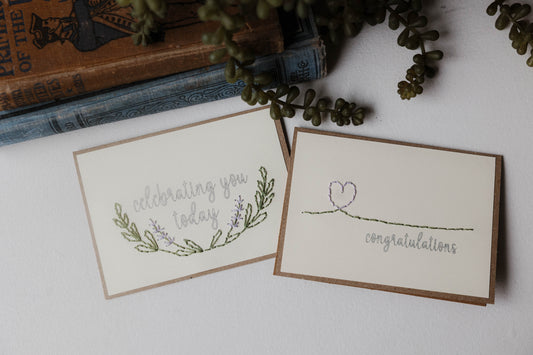
Celebrating You Today + Congratulations Greeting Cards
Vendor:Rosie’s Boutique HaitiRegular price $15.00 USDRegular priceUnit price per -
Thanks For Always Keeping Me Alive Greeting Card
Vendor:Rosie’s Boutique HaitiRegular price $4.00 USDRegular priceUnit price per -
Spread Love Greeting Cards
Vendor:Rosie’s Boutique HaitiRegular price $15.00 USDRegular priceUnit price per -
Handcrafted Sari Fabric Bound Notebook Journal
Vendor:Darn Good YarnRegular price $24.99 USDRegular priceUnit price per$29.99 USDSale price $24.99 USDSale -
Empty Book Large
Vendor:Powered by PeopleRegular price $52.00 USDRegular priceUnit price per -
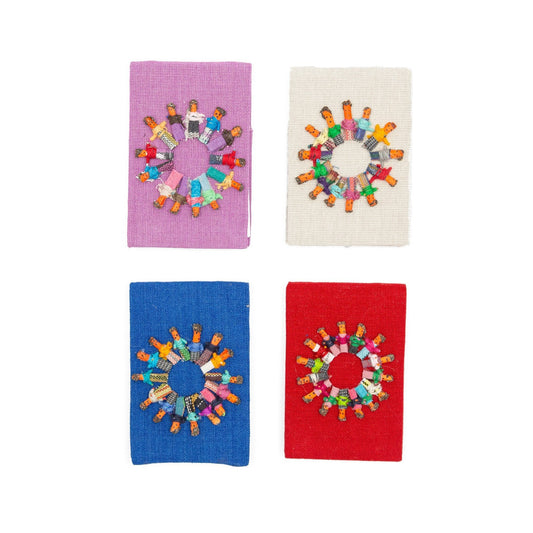
Mini Worry Doll Notepad
Vendor:Upavim CraftsRegular price $11.50 USDRegular priceUnit price per -
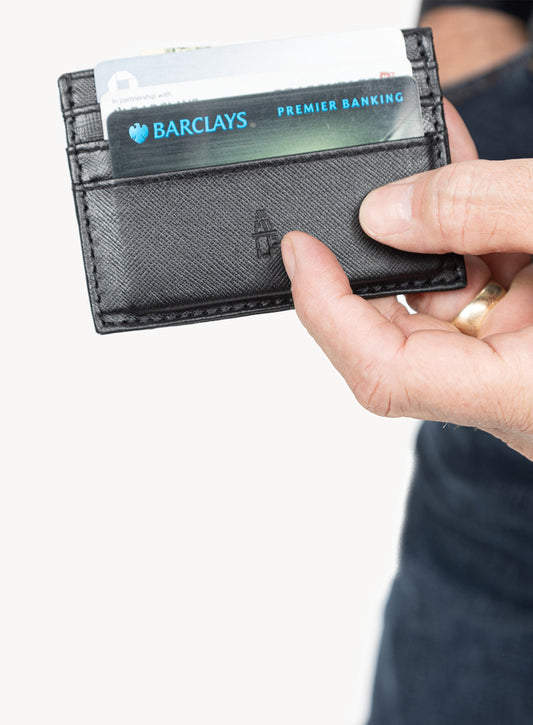
Call Signs Card Holder
Vendor:Powered by PeopleRegular price $35.00 USDRegular priceUnit price per -
Woven Card Holder
Vendor:Powered by PeopleRegular price $39.00 USDRegular priceUnit price per -
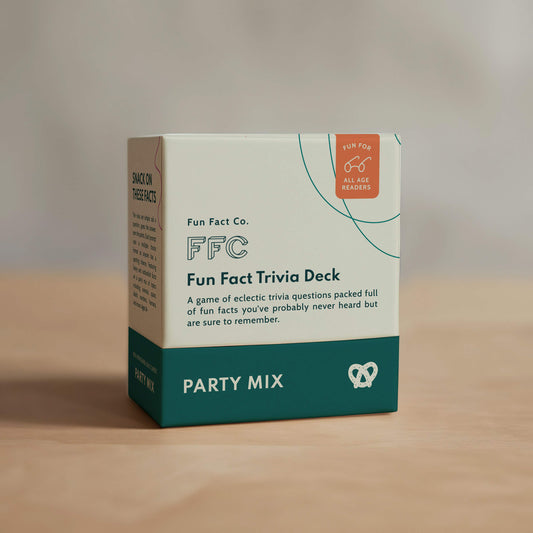
The Party Mix I Trivia Card Game
Vendor:Powered by PeopleRegular price $30.00 USDRegular priceUnit price per