
-
Cancun - Indigo Striped Outdoor Rug for Patio
Vendor:Fab HabitatRegular price From $46.98 USDRegular price -
Cancun - Candy Striped Outdoor Rug for Patio
Vendor:Fab HabitatRegular price From $46.99 USDRegular price -
Hilo - Honey Floral Outdoor Rug for Patio
Vendor:Fab HabitatRegular price From $61.98 USDRegular price -
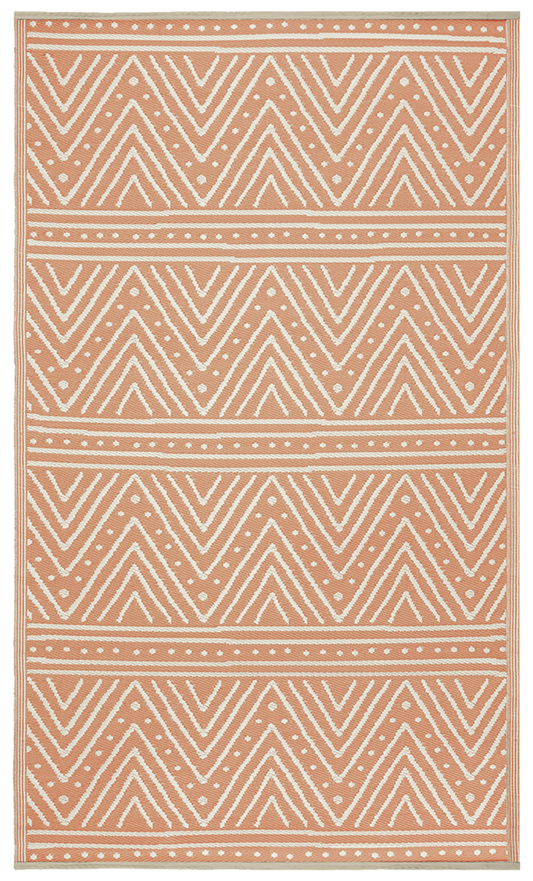
Patan - Coral Geometric Outdoor Rug for Patio
Vendor:Fab HabitatRegular price $79.99 USDRegular price$102.98 USDSale price $79.99 USDSale -
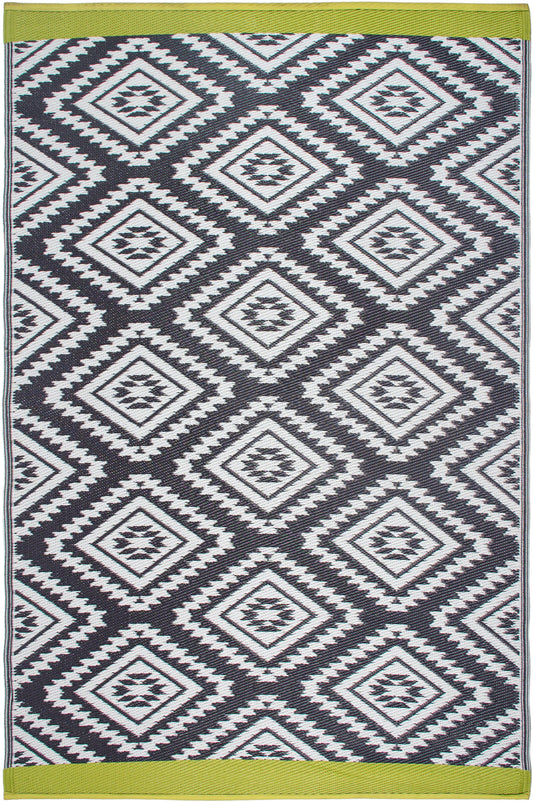
Valencia - Gray Geometric Outdoor Rug for Patio FINAL SALE
Vendor:Fab HabitatRegular price $34.49 USDRegular price$46.98 USDSale price $34.49 USDSale -
Lhasa - Green Geometric Outdoor Rug for Patio
Vendor:Fab HabitatRegular price From $46.98 USDRegular price -
Jodhpur - Multi Blue Geometric Outdoor Rug for Patio
Vendor:Fab HabitatRegular price From $46.98 USDRegular price -
Big Sur - Green Striped Outdoor Rug for Patio
Vendor:Fab HabitatRegular price From $46.98 USDRegular price -
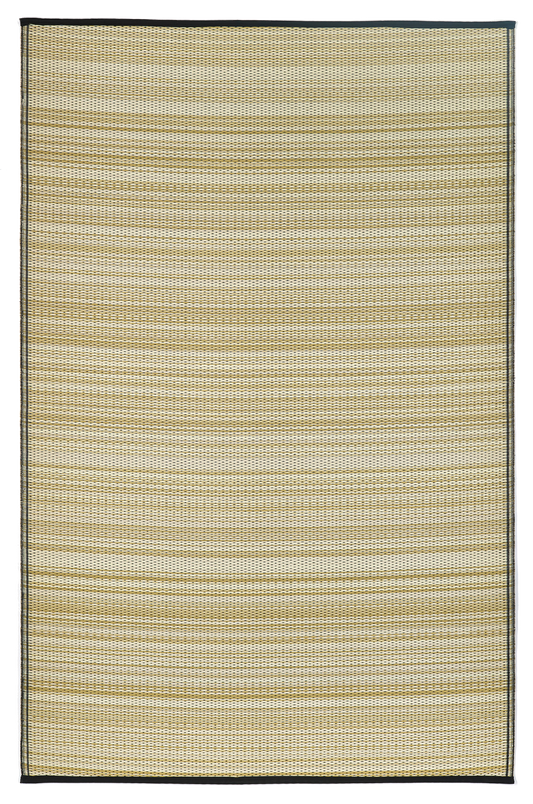
Cancun Shadow - Sand & Black Striped Outdoor Rug for Patio
Vendor:Fab HabitatRegular price From $46.98 USDRegular price -
Cancun - Multicolor Striped Outdoor Rug for Patio
Vendor:Fab HabitatRegular price From $46.99 USDRegular price -
Serowe - Black & White Floral Outdoor Rug for Patio
Vendor:Fab HabitatRegular price From $46.98 USDRegular price -
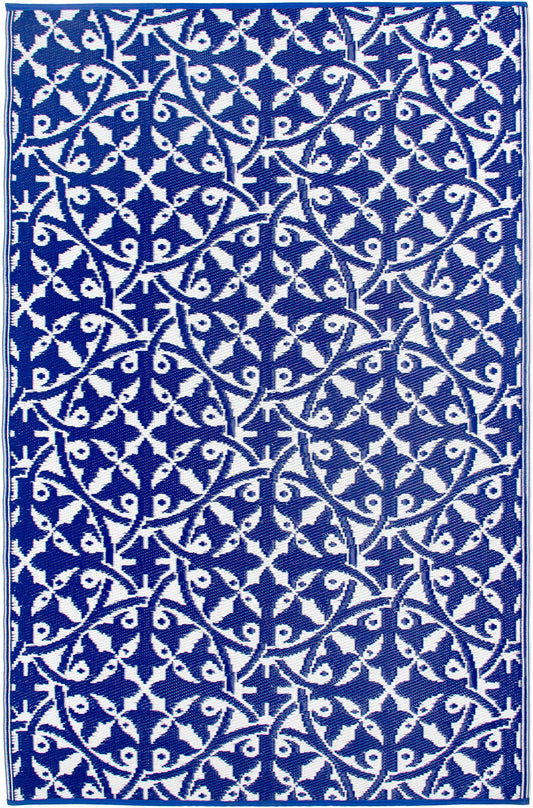
San Juan - Dark Blue Geometric Outdoor Rug for Patio FINAL SALE
Vendor:Fab HabitatRegular price $34.49 USDRegular price$46.98 USDSale price $34.49 USDSale -
Patan - Beige Geometric Outdoor Rug for Patio
Vendor:Fab HabitatRegular price From $46.98 USDRegular price -
Big Sur - Striped Outdoor Rug for Patio
Vendor:Fab HabitatRegular price From $46.98 USDRegular price -
Cairo - Natural & Black Geometric Outdoor Rug for Patio
Vendor:Fab HabitatRegular price From $46.98 USDRegular price -
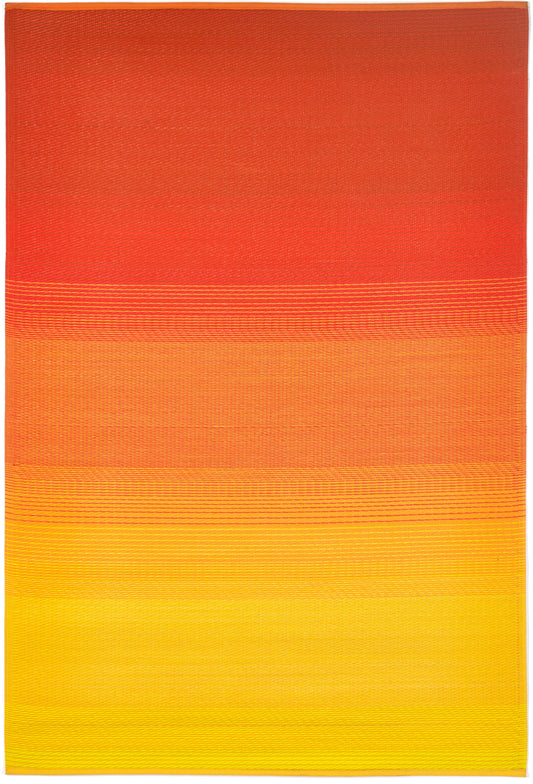
Big Sur - Sunset Striped Outdoor Rug for Patio
Vendor:Fab HabitatRegular price From $46.98 USDRegular price









Why Buy Fair Trade Rugs?
Hand-knotted and handwoven rugs are among the most labor-intensive objects in home goods. A hand-knotted rug of moderate size can require weeks to months of skilled work. In conventional rug markets, this labor content is frequently compressed by sourcing from the lowest-cost available workshop, with the price paid to the weaver bearing little relationship to the skill and time the rug represents.
Fair trade rug sourcing establishes minimum pricing that reflects actual weaving time and skill, applies working condition standards to the workshops where rugs are made, and verifies that child labor is not used — a particular concern in hand-knotted rug manufacturing. Long-term fair trade relationships provide weavers with the income stability that sustains their skill and makes continued high-quality production possible.
A fair trade rug is a long-term investment in your floor. The price reflects the actual labor of a skilled weaver compensated fairly — and the sourcing relationship ensures that standard is maintained across the full production chain.
What is fair trade home and garden decor?
How can I tell if rugs are actually fair trade?
Are the artisans who make these rugs paid fairly?


Verified ethically made
Every product on The Labour Movement meets our standards for Fair Trade production.
Featured certifiers and membership organizations


