
-
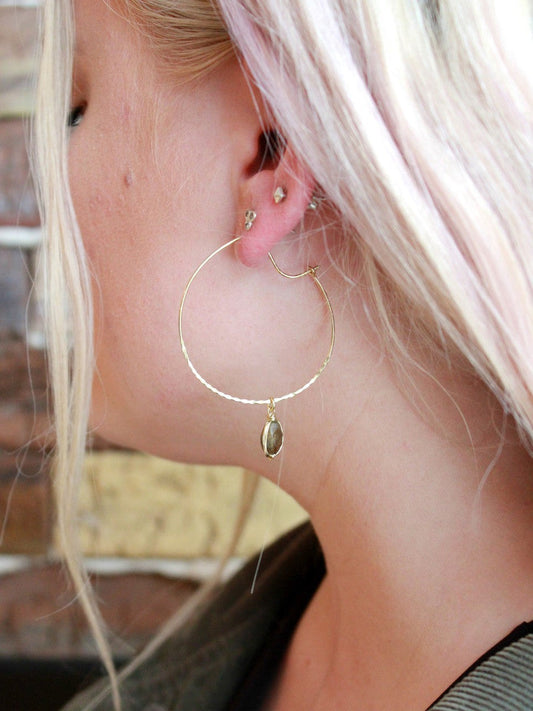
Labradorite Hoops
Vendor:Powered by PeopleRegular price $16.00 USDRegular priceUnit price per -
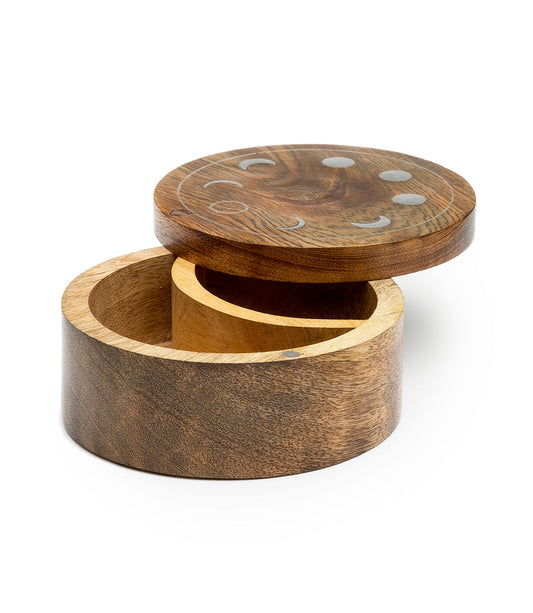
Indukala Moon Phase Round Pivot Box - Handcrafted Mango Wood
Vendor:Powered by PeopleRegular price $43.50 USDRegular priceUnit price per -
Indukala Moon Phase Round Keepsake Box - Wood, Marble, Brass
Vendor:Powered by PeopleRegular price $36.00 USDRegular priceUnit price per -
Indukala Moon Phase Round Keepsake Box - Black Marble, Wood, Brass
Vendor:Powered by PeopleRegular price $36.00 USDRegular priceUnit price per -
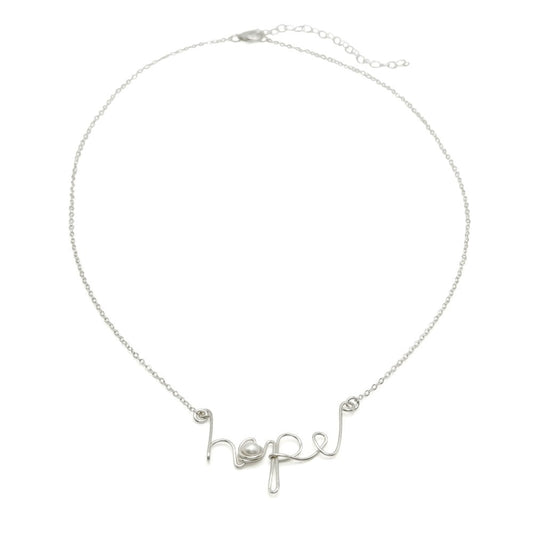
Hope sterling silver necklace
Vendor:Powered by PeopleRegular price $49.00 USDRegular priceUnit price per -
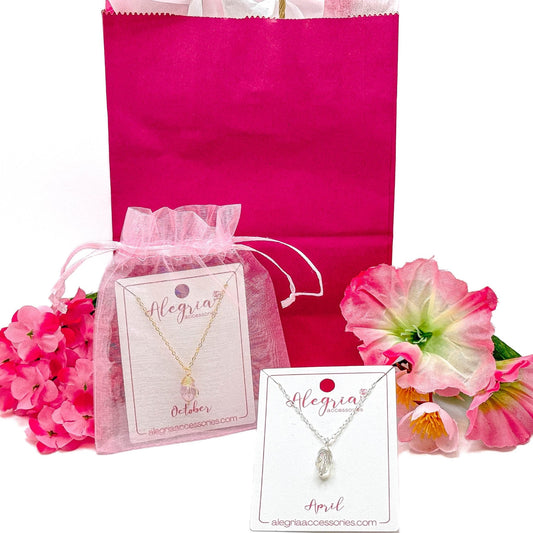
Gold Birthstone necklace
Vendor:Powered by PeopleRegular price $27.00 USDRegular priceUnit price per -
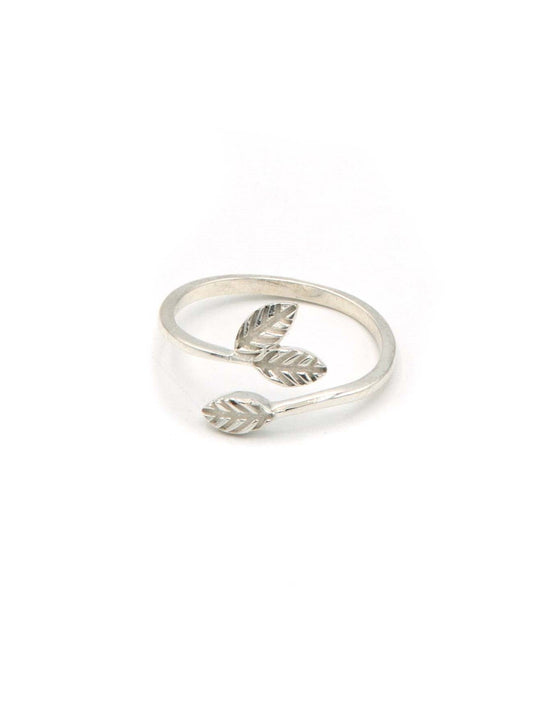
Forestry Ring
Vendor:Powered by PeopleRegular price $20.00 USDRegular priceUnit price per -
Feminist Cuff
Vendor:Powered by PeopleRegular price $15.00 USDRegular priceUnit price per -
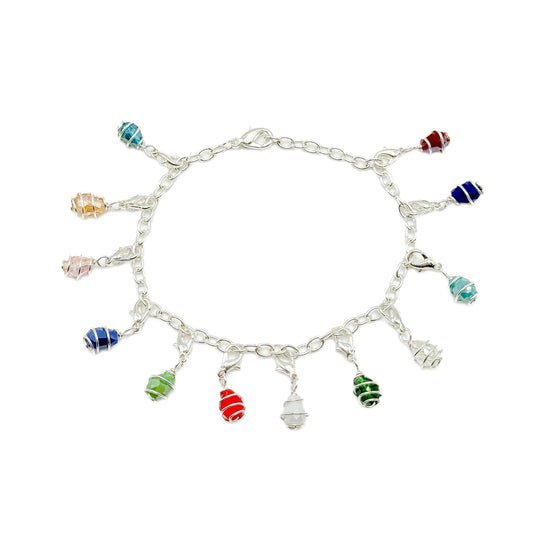
Familia Silver Birthstone Charms
Vendor:Powered by PeopleRegular price $7.00 USDRegular priceUnit price per -
Duo necklace
Vendor:Powered by PeopleRegular price $34.00 USDRegular priceUnit price per -
Duo bracelet
Vendor:Powered by PeopleRegular price $31.00 USDRegular priceUnit price per -
Dolores Freshwater Pearl Sterling Ring
Vendor:Powered by PeopleRegular price $50.00 USDRegular priceUnit price per -
Diya Crescent Moon Hoop Dangle Earrings
Vendor:Powered by PeopleRegular price $36.00 USDRegular priceUnit price per -
Darling sterling silver earrings
Vendor:Powered by PeopleRegular price $27.00 USDRegular priceUnit price per -
Crescent Loop Earrings
Vendor:Powered by PeopleRegular price $18.00 USDRegular priceUnit price per -
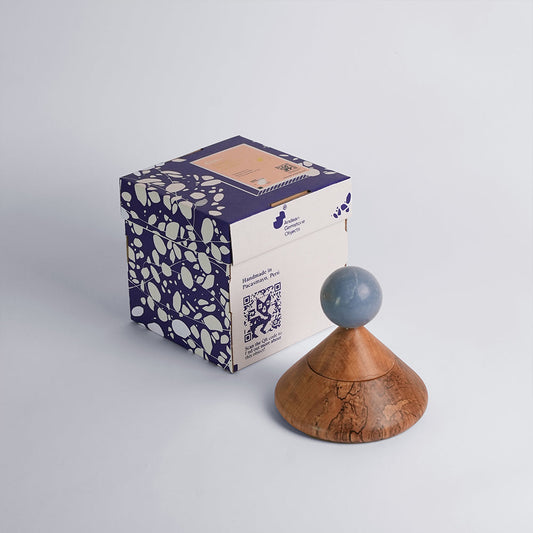
Cool Cone Jewel Box - Angelite
Vendor:Powered by PeopleRegular price $149.00 USDRegular priceUnit price per
















Why Give Fair Trade Jewelry for Mother's Day?
Jewelry production spans some of the most complex supply chains in global commerce. From raw material extraction to artisan workshops and finishing, workers are often paid piece rates, work without formal contracts, and operate with little oversight at multiple tiers. Precious metal and stone sourcing carry their own risks — conditions that are rarely visible at the retail level.
Fair trade changes the economics of that chain. It sets minimum wage benchmarks, requires safe working conditions, mandates transparency across production stages, and builds long-term purchasing relationships that give artisans predictable income rather than volatile, seasonal demand. In jewelry — where skilled craft is the primary source of value — fair trade ensures that skill is compensated appropriately rather than compressed by buyer price pressure.
When you give fair trade jewelry, the price reflects what it actually costs to make: the labor, the materials, and the conditions behind each piece. For a gift worn close and kept long, that's a distinction worth giving.
Fair Trade Mother's Day Jewelry FAQs
What is fair trade jewelry?
How can I tell if jewelry is actually fair trade?
Are the artisans who make fair trade jewelry paid fairly?


Verified ethically made
Every product on The Labour Movement meets our standards for Fair Trade production.
Featured certifiers and membership organizations


