
-
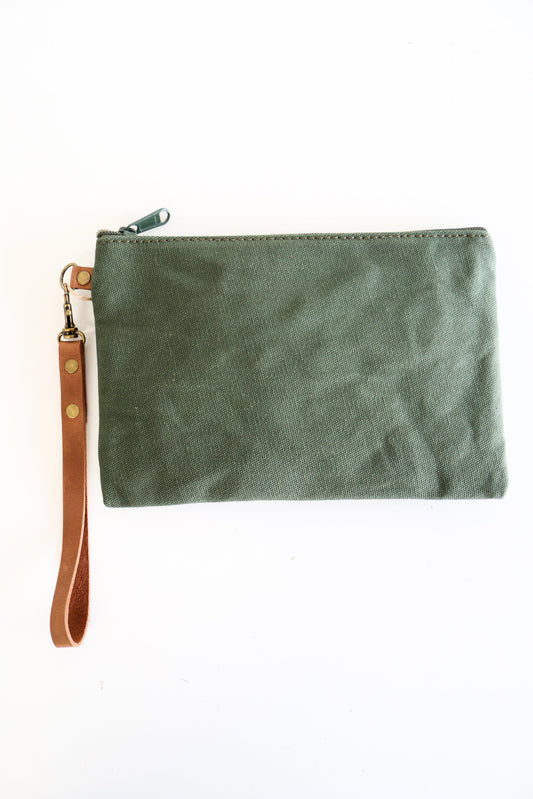
Canvas Clutch/Zippered Pouch
Vendor:Jubilee Trading CompanyRegular price $32.00 USDRegular price -
Rosa Crossbody Clutch
Vendor:Jubilee Trading CompanyRegular price $65.00 USDRegular price -
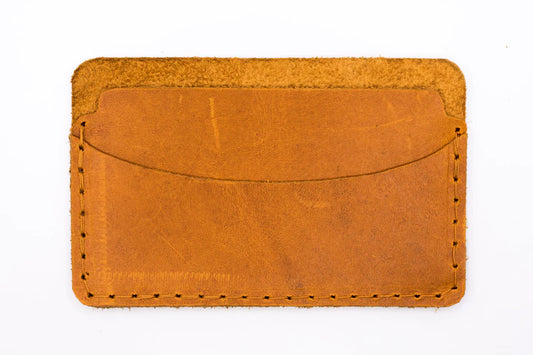
Kelal Leather Card Wallet
Vendor:Jubilee Trading CompanyRegular price $14.00 USDRegular price$28.00 USDSale price $14.00 USDSale -
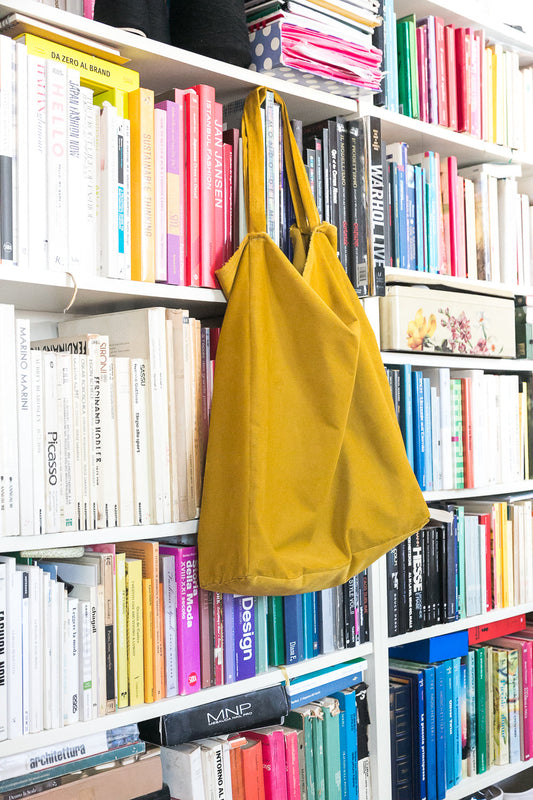
Comfy mustard velour shopper
Vendor:ZEROBARRACENTORegular price $172.50 USDRegular price -
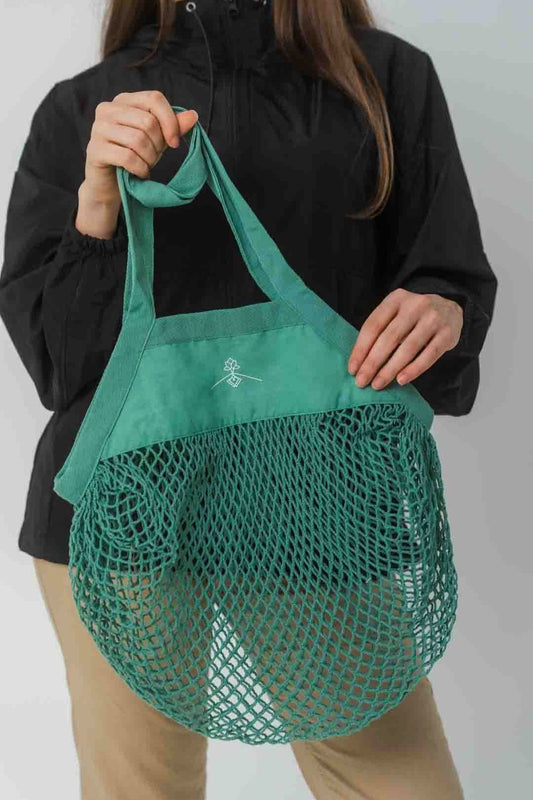
Bolsa red orgánica - Verde Vintage
Vendor:GreenerRegular price $22.50 USDRegular price -
Bolsa reciclada - Natural
Vendor:GreenerRegular price $37.50 USDRegular price -
Bolsa red orgánica - Naranja Sanguina
Vendor:GreenerRegular price $22.50 USDRegular price -
Bolsa reciclada - Natural
Vendor:GreenerRegular price $30.00 USDRegular price -
Bolsa reciclada - Azul Medianoche
Vendor:GreenerRegular price $30.00 USDRegular price -
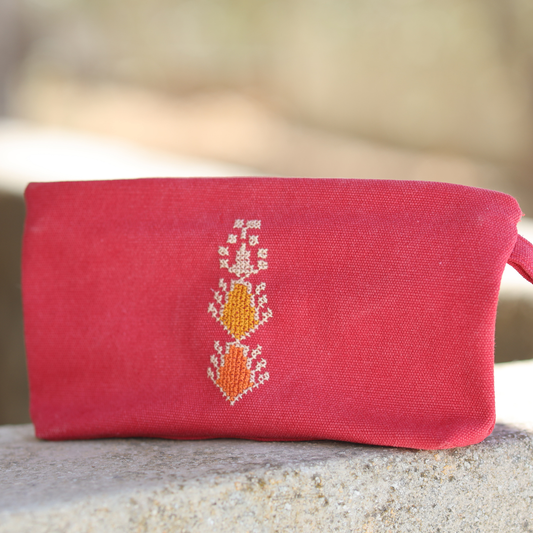
Cypress Tatreez Pouch -Red
Vendor:DarzahRegular price $50.00 USDRegular price -
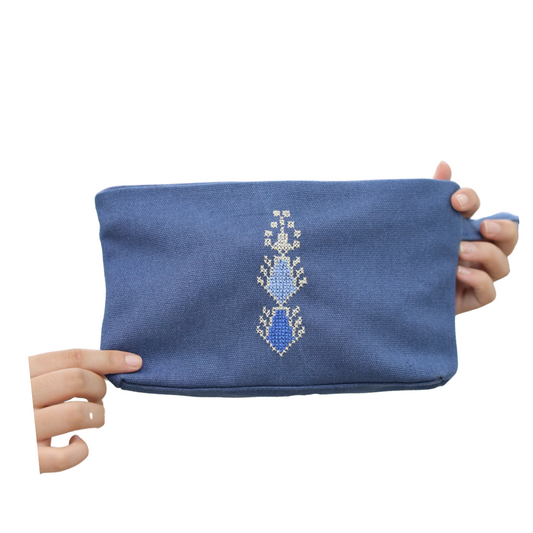
Cypress Tatreez Pouch - Blue
Vendor:DarzahRegular price $50.00 USDRegular price -
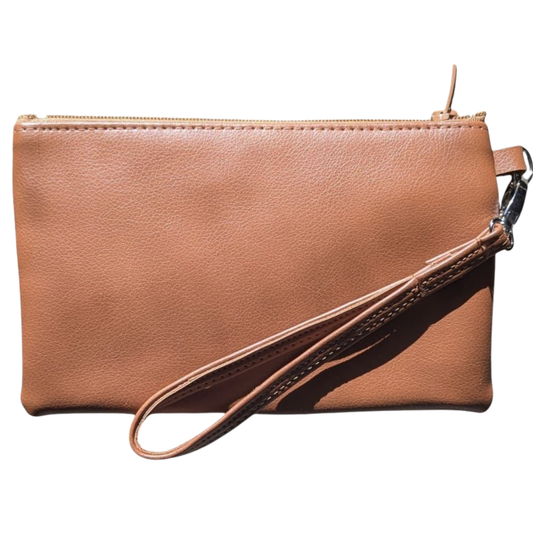
Ring Tahriri Clutch - Brown
Vendor:DarzahRegular price $60.00 USDRegular price -
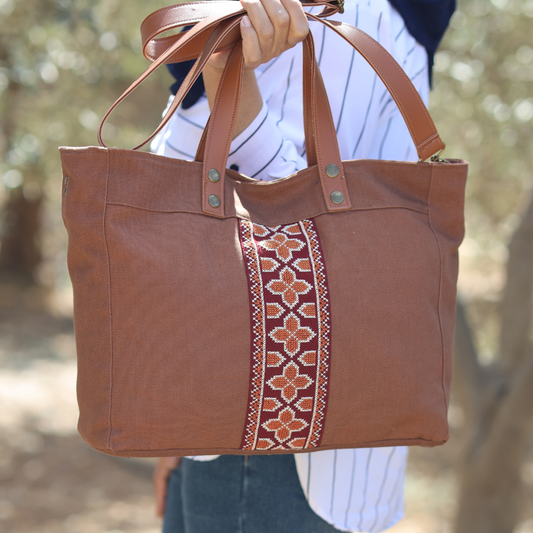
Walid Unisex Bag - Brown
Vendor:DarzahRegular price $198.00 USDRegular price -
Flowers Clutch - Dark Brown
Vendor:DarzahRegular price $79.00 USDRegular price$98.00 USDSale price $79.00 USDSale -
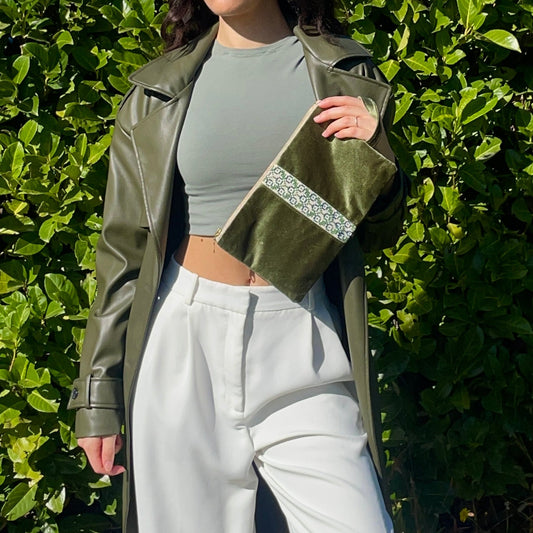
Tatreez Velvet Clutch - Green
Vendor:DarzahRegular price $45.00 USDRegular price







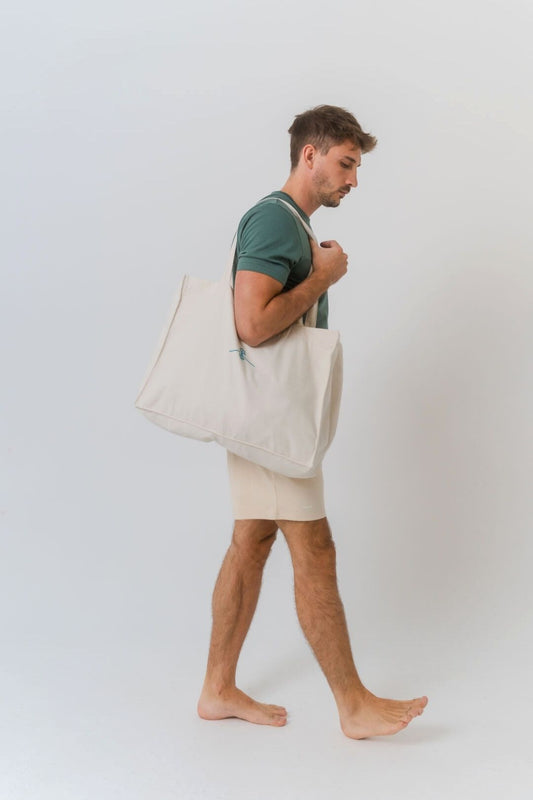

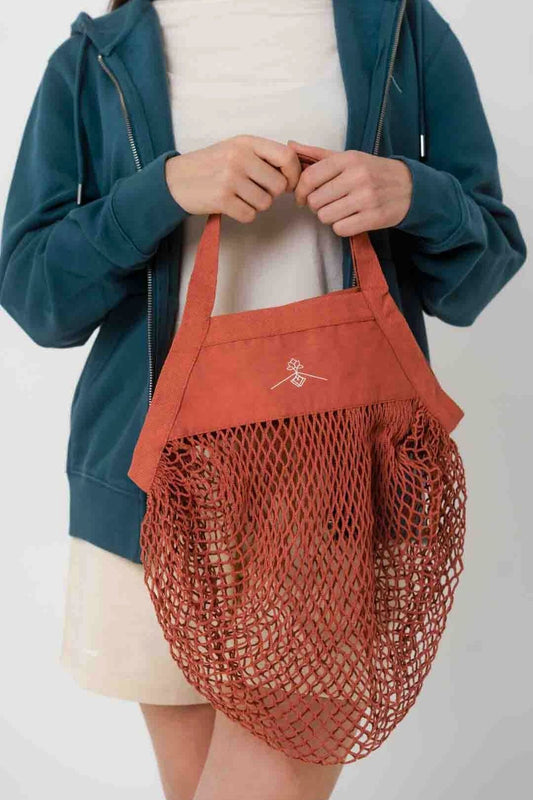

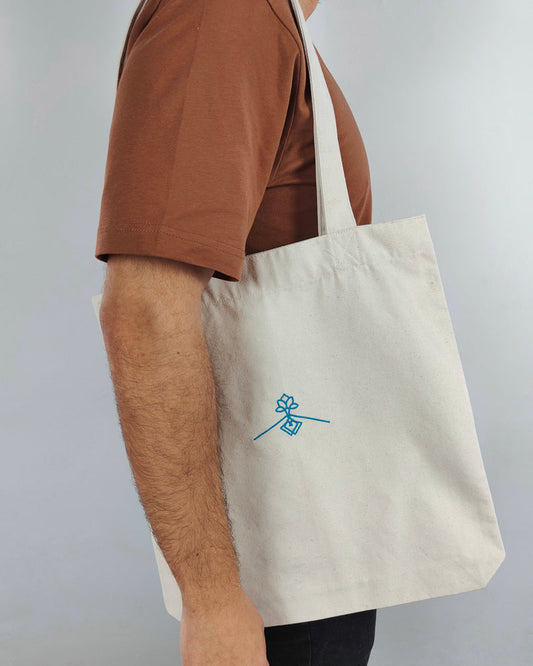

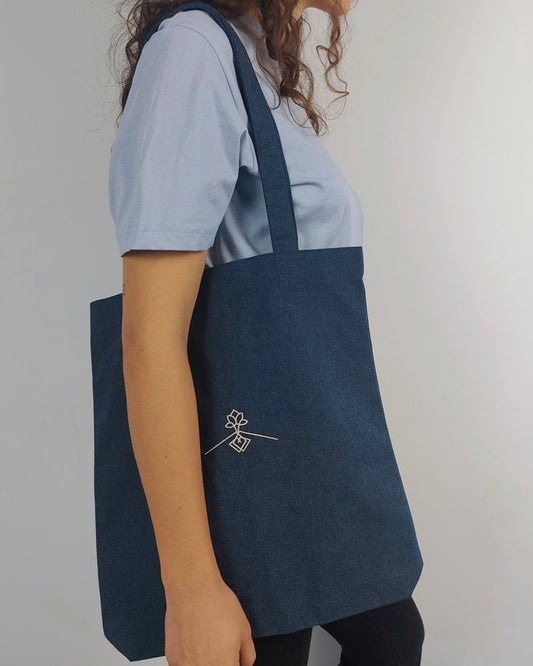






Why Buy Fair Trade Handbags & Wallets?
Handbag and wallet production involves supply chain tiers that are hard to see from the outside. Leather tanneries are among the most chemically intensive production environments in manufacturing, with serious worker exposure risk that rarely reaches the retail level. Textile bag production shares the labor dynamics of garment factories. Hardware adds further tiers, often sourced with no connection to the brand's stated standards.
Fair trade handbag sourcing applies minimum wage and condition requirements at the cut-and-sew level, and for leather goods, verification often extends to the tannery — the stage where chemical exposure risk is highest and where conventional supply chains most commonly apply no standard at all.
A handbag or wallet is carried daily for years. Buying fair trade means the craft and labor behind it were assessed at the stages of production that actually matter — not just at the final assembly point.
What makes a bag fair trade?
What materials are used in fair trade handbags and wallets?
How can I tell if a handbag or wallet is actually fair trade?


Verified ethically made
Every product on The Labour Movement meets our standards for Fair Trade production.
Featured certifiers and membership organizations


