
-
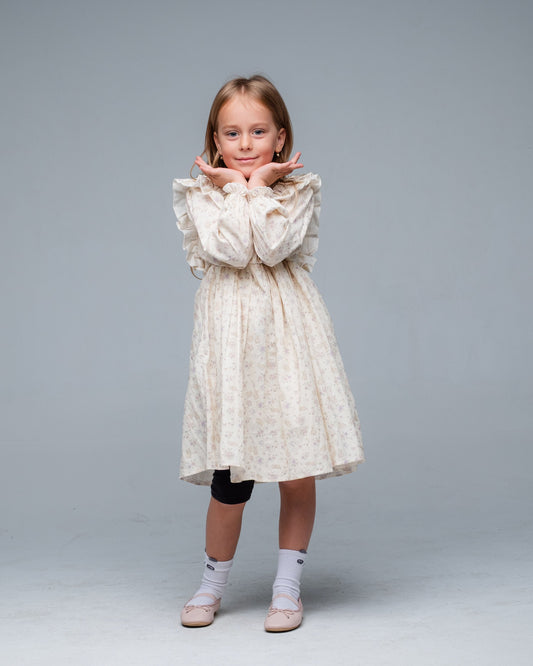
Louise Long Sleeve Hi-Low Dress
Vendor:BJ’s PJs and Baby Origami DoubleWrap™Regular price $75.60 USDRegular priceUnit price per$78.75 USDSale price $75.60 USDSale -
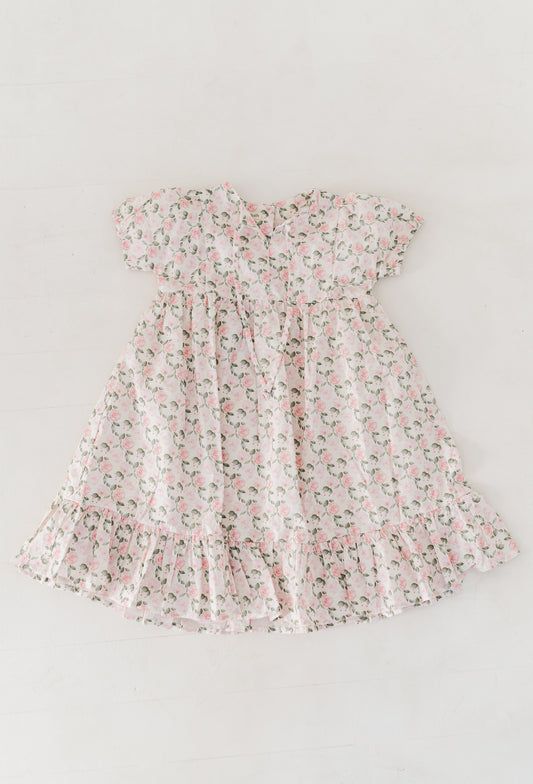
Yara Garden Party Dress
Vendor:Powered by PeopleRegular price $125.00 USDRegular priceUnit price per -
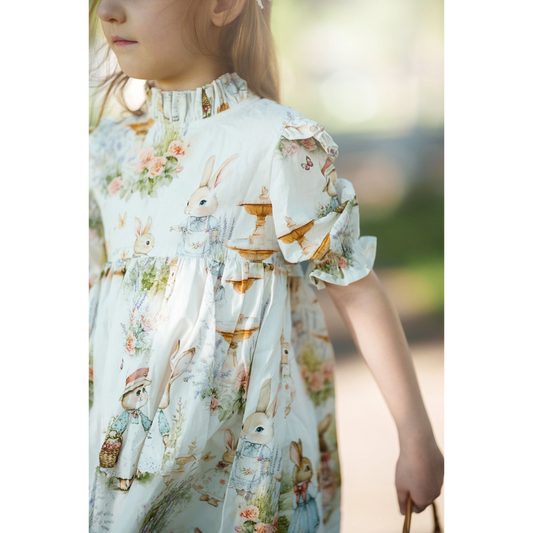
Neomi Dress - Woodland Bunny
Vendor:Powered by PeopleRegular price $135.00 USDRegular priceUnit price per -
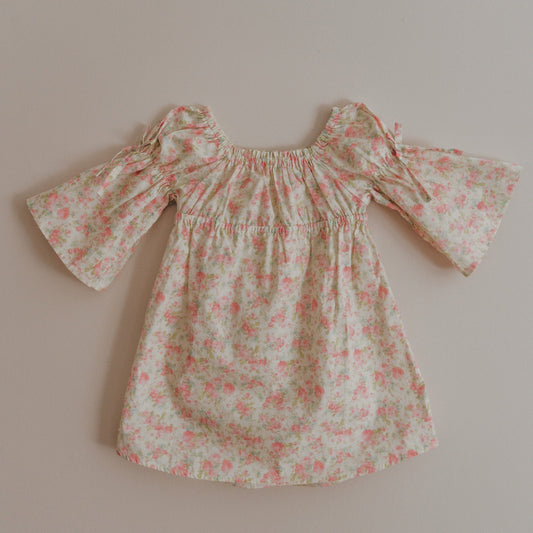
Kennedi Dress-Pink Blossom | Bell Sleeve
Vendor:Powered by PeopleRegular price $106.00 USDRegular priceUnit price per -
Aoki Dress-Bramble Rabbit Short Sleeve
Vendor:Powered by PeopleRegular price $149.00 USDRegular priceUnit price per -
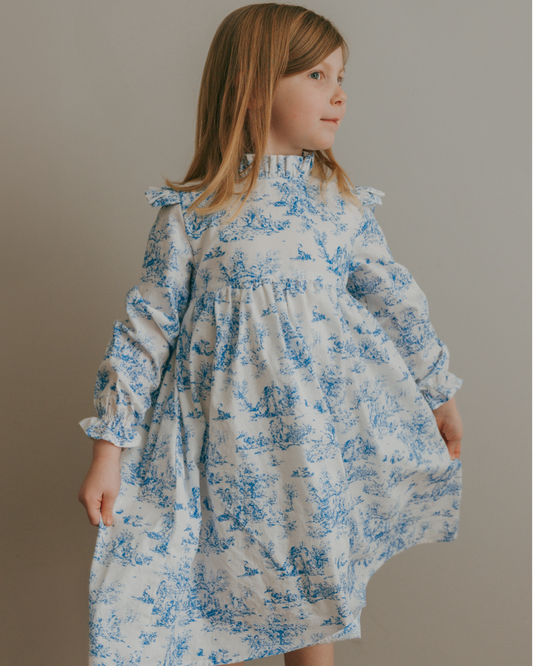
Aoki Dress-Blue Toile | Long Sleeve
Vendor:Powered by PeopleRegular price $149.00 USDRegular priceUnit price per -
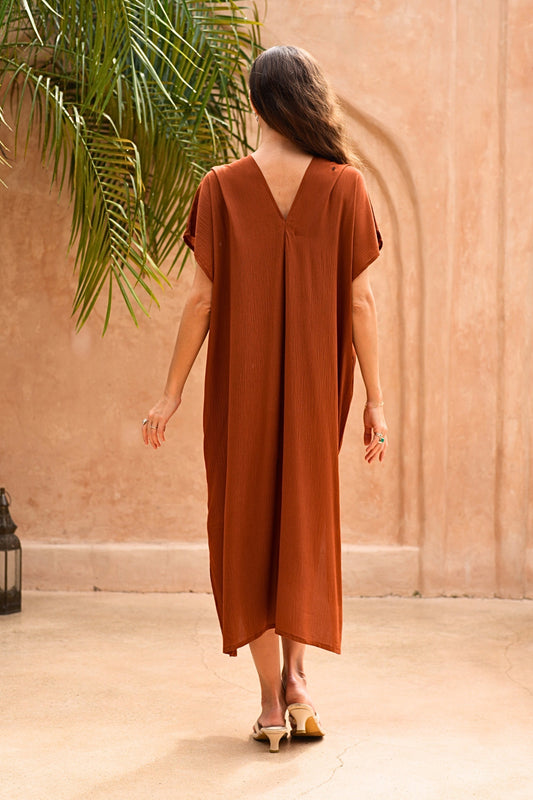
Gina Breezy Crinkle Kaftan Dress in Terracotta
Vendor:Powered by PeopleRegular price $140.00 USDRegular priceUnit price per -
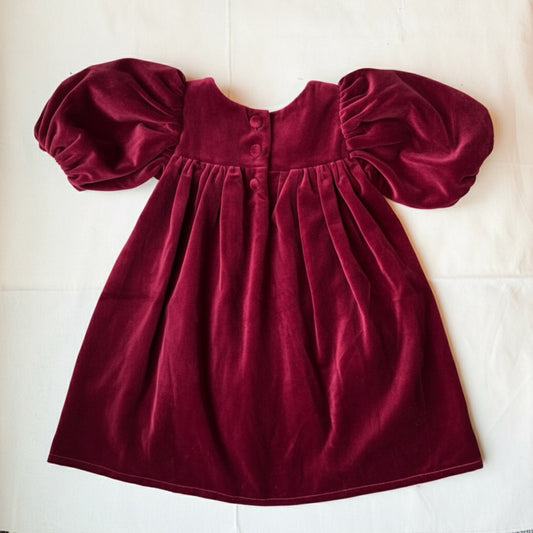
Rosemoor Dress | Winterberry Red Cotton Velvet
Vendor:Powered by PeopleRegular price $175.00 USDRegular priceUnit price per -
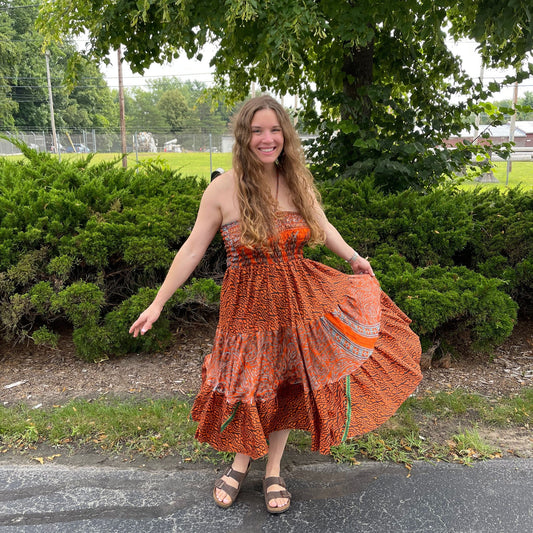
Sedona Patchwork Dress
Vendor:Darn Good YarnRegular price $67.00 USDRegular priceUnit price per$67.00 USDSale price $67.00 USD -
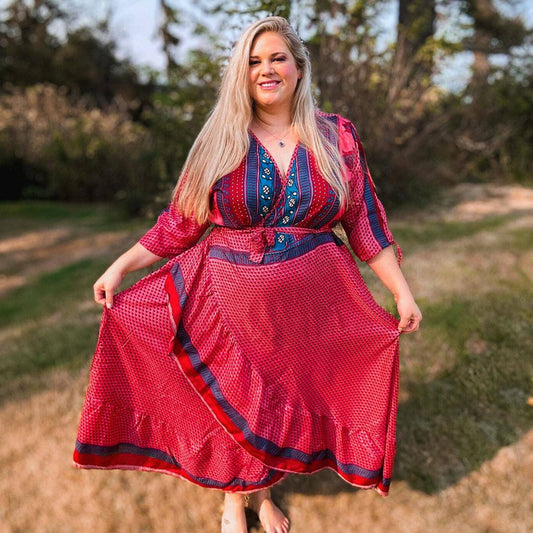
Zaria One-of-a-Kind Wrap Dress – Handmade, Sustainable, Stunning
Vendor:Darn Good YarnRegular price $98.00 USDRegular priceUnit price per$98.00 USDSale price $98.00 USD -
Strappy Maxi Dress in Black
Vendor:REISTOR INCRegular price $69.00 USDRegular priceUnit price per$162.00 USDSale price $69.00 USDSale -
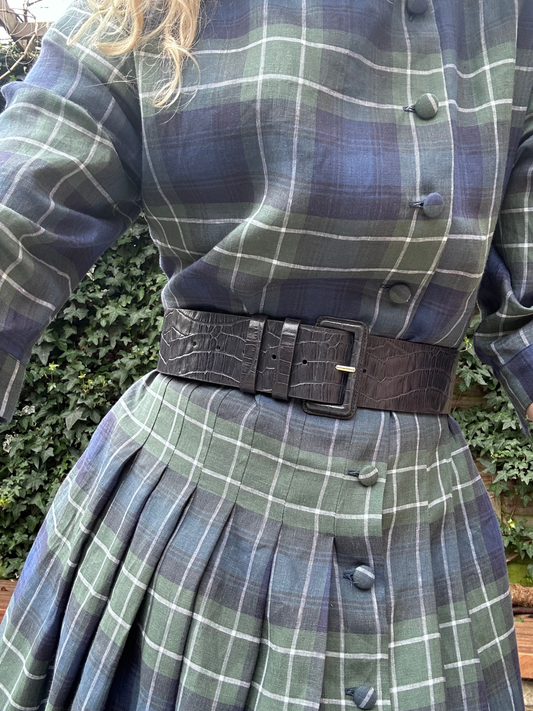
Button Midi dress with pockets Organic Green Check Linen – Talitha | No More Nobody
Vendor:No More NobodyRegular price $437.25 USDRegular priceUnit price per -
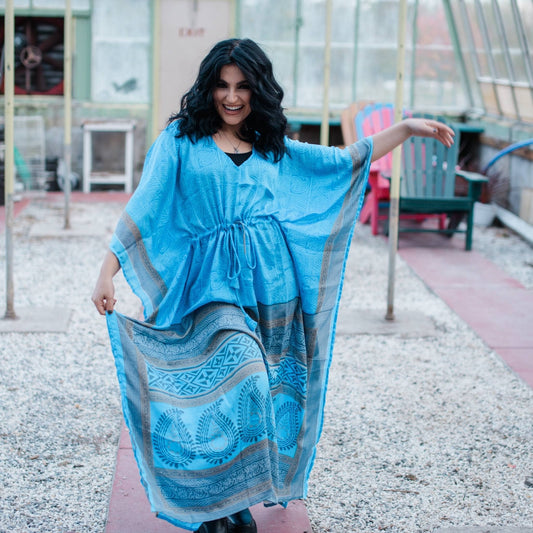
Aanya Adjustable Long Kaftan Dress
Vendor:Darn Good YarnRegular price From $29.00 USDRegular priceUnit price per$69.00 USDSale price From $29.00 USDSale -
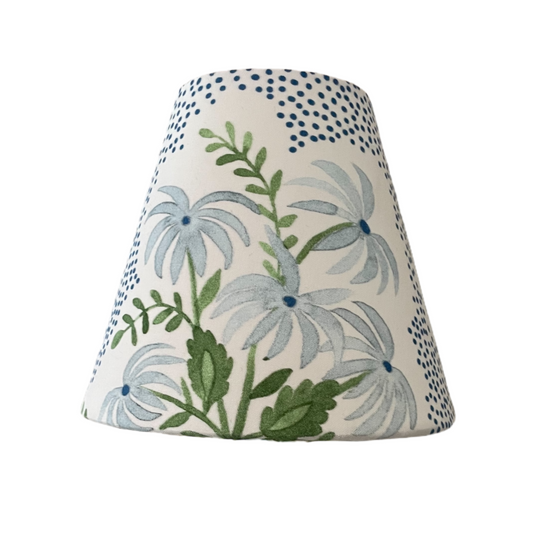
Blue Floral Chandelier Lampshade
Vendor:Powered by PeopleRegular price $85.00 USDRegular priceUnit price per -
Picasso Amaryllis Sage Green Glitter Base 32cm+
Vendor:Powered by PeopleRegular price $30.16 USDRegular priceUnit price per -

 Sold out
Fluted Copper Double Side Jigger
Vendor:Powered by PeopleRegular price $34.95 USDRegular priceUnit price per

















Why Buy Fair Trade Dresses?
Dresses are among the most labor-intensive garments to produce. Cutting, sewing, hemming, and finishing requires more skill and time than basic cut-and-sew items. In conventional supply chains, this labor intensity is typically absorbed as lower piece rates — the buyer captures the margin from skilled construction while the worker bears the cost.
Fair trade dresses are produced under standards that set minimum wage requirements, limit working hours, and require safe factory environments. Many come from artisan producers where design and construction is handled by skilled makers in cooperative or small-workshop settings, with direct long-term buyer relationships that make pricing skilled garment work appropriately possible.
A fair trade dress costs what it costs because the labor behind it was paid appropriately. That's a straightforward economic proposition with a traceable supply chain behind it.
What is fair trade clothing?
How can I tell if dresses are actually fair trade?
Are the workers who make these dresses paid fairly?


Verified ethically made
Every product on The Labour Movement meets our standards for Fair Trade production.
Featured certifiers and membership organizations


