Browse Fair Trade Clothing by Category


Featured Fair Trade Dresses
Shop all →-
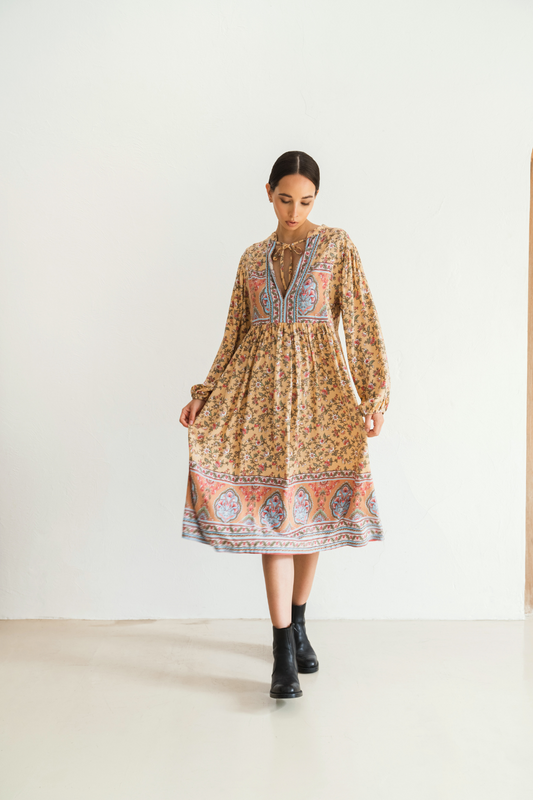
Louise Long Sleeve Hi-Low Dress
Vendor:BJ’s PJs and Baby Origami DoubleWrap™Regular price $75.60 USDRegular priceUnit price per$78.75 USDSale price $75.60 USDSale -
Yara Garden Party Dress
Vendor:Powered by PeopleRegular price $125.00 USDRegular priceUnit price per -
Neomi Dress - Woodland Bunny
Vendor:Powered by PeopleRegular price $135.00 USDRegular priceUnit price per -
Kennedi Dress-Pink Blossom | Bell Sleeve
Vendor:Powered by PeopleRegular price $106.00 USDRegular priceUnit price per -
Aoki Dress-Bramble Rabbit Short Sleeve
Vendor:Powered by PeopleRegular price $149.00 USDRegular priceUnit price per -
Aoki Dress-Blue Toile | Long Sleeve
Vendor:Powered by PeopleRegular price $149.00 USDRegular priceUnit price per


Featured Fair Trade Tops
Shop all →-
“Yarn is My Love Language” T-Shirt
Vendor:Darn Good YarnRegular price From $24.49 USDRegular priceUnit price per$27.00 USDSale price From $24.49 USDSale -
“Begin to Weave” Women’s Relaxed Fit T-Shirt – Designed by Nicole Snow
Vendor:Darn Good YarnRegular price From $23.50 USDRegular priceUnit price per -
Salmon Men's Button Down Shirt
Vendor:Powered by PeopleRegular price $65.00 USDRegular priceUnit price per -
Blue Bayou Striped Organic Cotton Men's Button Down Shirt
Vendor:Powered by PeopleRegular price $65.00 USDRegular priceUnit price per -
Badru Men's Button Down Shirt
Vendor:Powered by PeopleRegular price $68.00 USDRegular priceUnit price per -
Hex Flex Organic Cotton Men's Button Down Shirt
Vendor:Powered by PeopleRegular price $72.00 USDRegular priceUnit price per


Featured Fair Trade Outerwear
Shop all →-
Vintage Parachute Barber Cape
Vendor:Powered by PeopleRegular price $55.00 USDRegular priceUnit price per -
Truck Seat Fabric Collared Coat
Vendor:Powered by PeopleRegular price $245.00 USDRegular priceUnit price per -
 Sold out
Amara Long Sari Duster
Vendor:Darn Good YarnRegular price $80.00 USDRegular priceUnit price per$80.00 USDSale price $80.00 USDSold out -
 Sold out
Cotton Tie Dye Long Duster
Vendor:Darn Good YarnRegular price $97.00 USDRegular priceUnit price per$97.00 USDSale price $97.00 USDSold out -
Woodstock Dreams Limited Edition Bohemian Embroidered Color Block Shrug
Vendor:Darn Good YarnRegular price From $34.00 USDRegular priceUnit price per$79.00 USDSale price From $34.00 USDSold out -
Green Ivory Montauk Poncho
Vendor:Powered by PeopleRegular price $125.00 USDRegular priceUnit price per


Featured Fair Trade Pants
Shop all →-
Limited Edition: Woodstock Dreams Retro Revival Long Flared Patchwork Pants - Indigo
Vendor:Darn Good YarnRegular price $44.00 USDRegular priceUnit price per$79.00 USDSale price $44.00 USDSold out -
Free Spirit Wide-Leg Palazzo Pants
Vendor:Darn Good YarnRegular price $59.00 USDRegular priceUnit price per$59.00 USDSale price $59.00 USD -
Wide-leg Drawstring Pants in Brown
Vendor:REISTOR INCRegular price $105.00 USDRegular priceUnit price per -
Liam Long Pant
Vendor:BJ’s PJs and Baby Origami DoubleWrap™Regular price $69.30 USDRegular priceUnit price per -
Lauren Long Pant
Vendor:BJ’s PJs and Baby Origami DoubleWrap™Regular price $69.30 USDRegular priceUnit price per -
THE COMPRESSION LEGGING W/FUSED WAIST BAND
Vendor:Powered by PeopleRegular price $149.00 USDRegular priceUnit price per


Why Buy Fair Trade Clothing?
Clothing production is one of the most labor-intensive industries in global commerce. Garments pass through fiber production, spinning, weaving, dyeing, cutting, and assembly — each stage frequently outsourced to regions where legal wage minimums fall well below living costs. Workers at the end of that chain are typically paid piece rates that reflect the buyer's price target, not the actual cost of skilled labor.
Fair trade standards apply at the stages where labor risk is highest. They set minimum price floors that must reach workers, require safe factory conditions, cap working hours, and build long-term purchasing relationships that give producers income stability rather than the volatility of spot buying. Ongoing certification and independent auditing replace one-time compliance checks.
Choosing fair trade clothing means the price reflects closer to what production actually costs — including the human cost — rather than pushing that cost onto workers in a supply chain you can't see. It's a direct, traceable economic choice.
What is fair trade clothing?
Why does fair trade clothing cost more?
Are workers in fair trade clothing paid fairly?
Does fair trade clothing use child labor?
How can I tell if clothing is actually fair trade?
What materials are commonly used in fair trade clothing?
Is fair trade clothing the same as sustainable fashion?
Verified ethically made
Every product on The Labour Movement meets our standards for Fair Trade production.
Featured certifiers and membership organizations


Explore products in this category
-
Textured Cotton Solid Kaftan
Vendor:Powered by PeopleRegular price $1,250.00 USDRegular priceUnit price per -
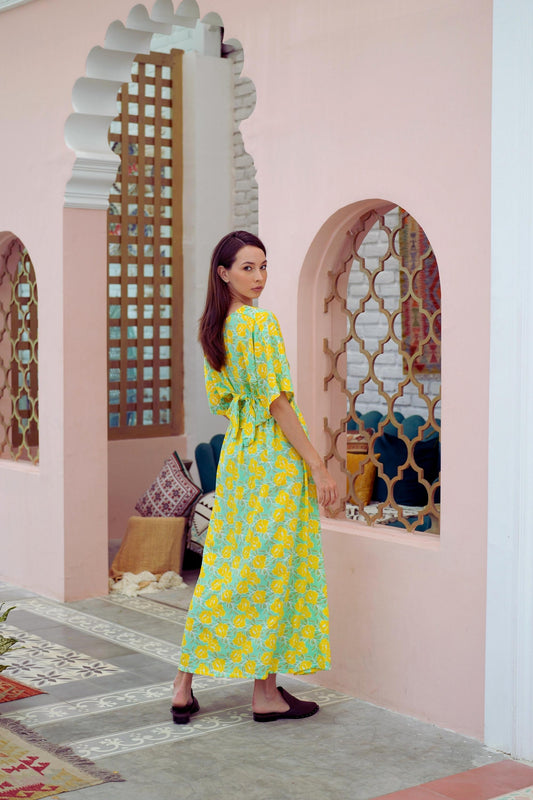
Gianna Midi dress in Yellow
Vendor:Powered by PeopleRegular price $148.00 USDRegular priceUnit price per -
Aubrey Floral Wrap Top and Midi Skirt Matching Set in Yellow Garden
Vendor:Powered by PeopleRegular price $128.00 USDRegular priceUnit price per -
Manta Estrella in Cotton
Vendor:Powered by PeopleRegular price $495.00 USDRegular priceUnit price per -
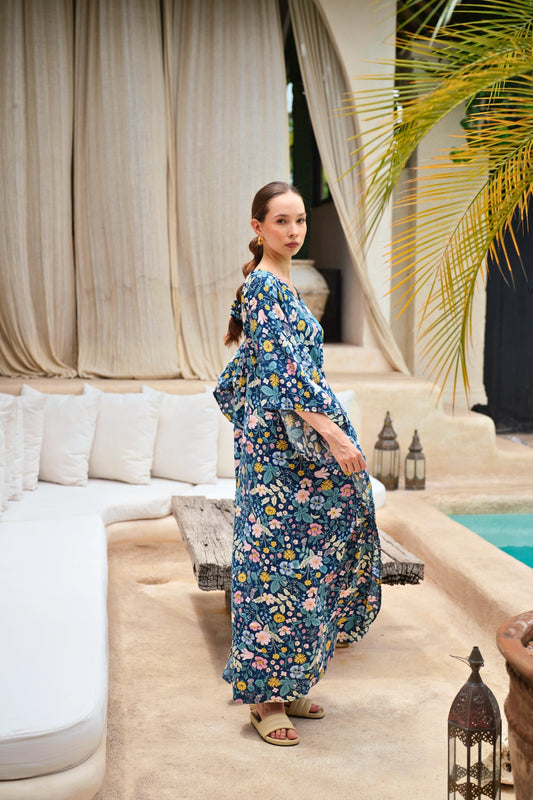
Oaklynn Kaftan Dress in Botanical
Vendor:Powered by PeopleRegular price $125.00 USDRegular priceUnit price per -
Ivory Navy Gingham Long Sleeve Maxi Kaftan
Vendor:Powered by PeopleRegular price $195.00 USDRegular priceUnit price per -
Chef Tee - Black
Vendor:Powered by PeopleRegular price $46.00 USDRegular priceUnit price per -
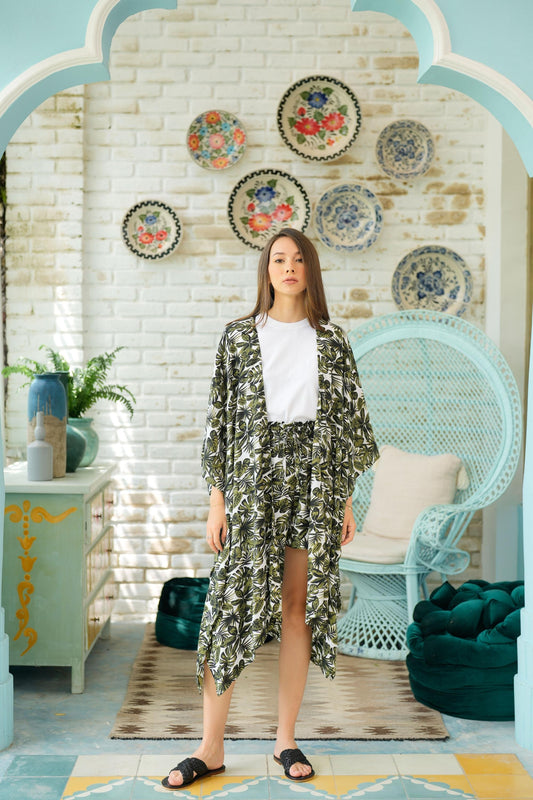
Natalia Midi Kimono Robe in Vintage Green
Vendor:Powered by PeopleRegular price $108.00 USDRegular priceUnit price per -
Long Estrella Duster in Textured Cotton
Vendor:Powered by PeopleRegular price $1,200.00 USDRegular priceUnit price per -
Solid Alpaca Duster
Vendor:Powered by PeopleRegular price $595.00 USDRegular priceUnit price per -
The Socks - Be a Proper Badass
Vendor:Powered by PeopleRegular price $23.00 USDRegular priceUnit price per -
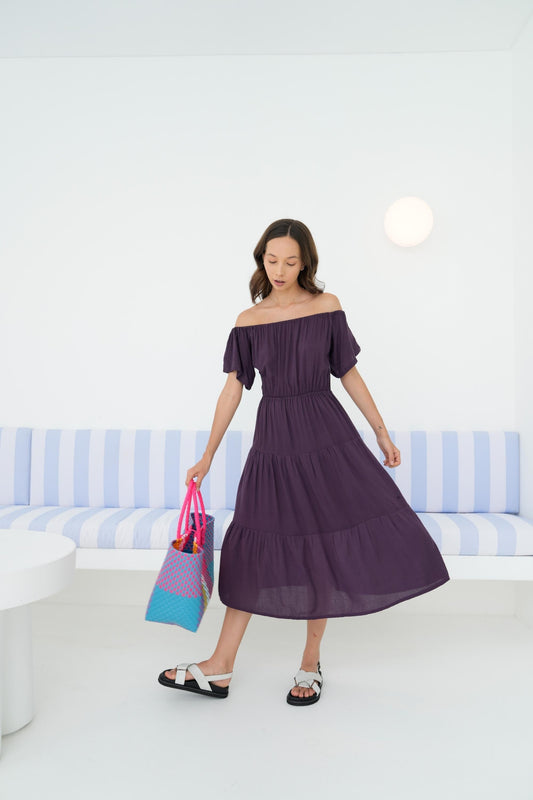
Regina Off-the-shoulder Midi Dress in Eggplant
Vendor:Powered by PeopleRegular price $118.00 USDRegular priceUnit price per