

Sabahar
Handwoven cotton and silk textiles from Addis Ababa, Ethiopia, made by silk farmers, spinners and weavers under WFTO fair trade standards.
- Fair trade
- Certified by World Fair Trade Organization (WFTO)
- Made in
- Ethiopia
- Based in
- Addis Ababa, Ethiopia
- Founded
- 2004

Vetted by The Labour Movement · last reviewed October 2026 · How we vet brands
Sabahar celebrates Ethiopia's ancient handweaving tradition while creating fair, lasting work, from the farmers who raise silkworms to the weavers at the loom.
The story
Sabahar began in 2004 in the Addis Ababa home of founder Kathy Marshall, a Canadian development worker, with one weaver and a plan to bring silk production to Ethiopia. The name joins Saba, the Queen of Sheba, with har, the Amharic word for silk.
Today Sabahar works with farmers who raise Eri silk, a network of women who hand-spin cotton on drop spindles, and weavers in its own workshop and in their homes. Every piece is woven by hand, many in natural dyes such as coffee, onion skin and marigold.
Sabahar is candid about what it can and can't trace. Ethiopian cotton is bought from gins that pool the harvests of many farmers, so the farm level is hard to see. What Sabahar guarantees is the standard of work in its own workshop and with its artisans.
-
Zenach Handwoven Ethiopian Cotton Throw Blanket
Handwoven · Ethiopia
Regular price $149.00 USDRegular price -
Karé Handwoven Ethiopian Cotton Throw Pillow Cover
Handwoven · Ethiopia
Regular price $84.00 USDRegular price -
Dawa Handwoven Ethiopian Cotton Bath Set | 1 Bath Mat + 1 Bath Towel + 1 Hand Towel
Handwoven · Ethiopia
Regular price $169.00 USDRegular price$177.00 USDSale price $169.00 USDSold out -
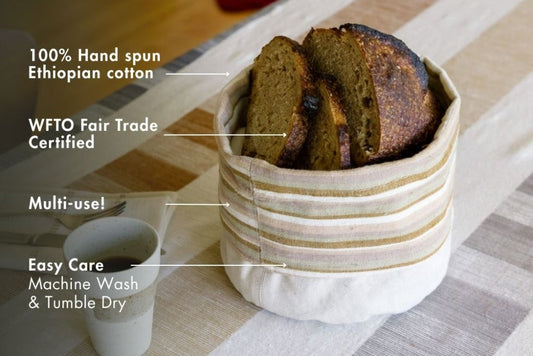
Dabo Handwoven Ethiopian Cotton Fabric Basket
Handwoven · Ethiopia
Regular price $48.00 USDRegular price$0.00 USDSale price $48.00 USD -
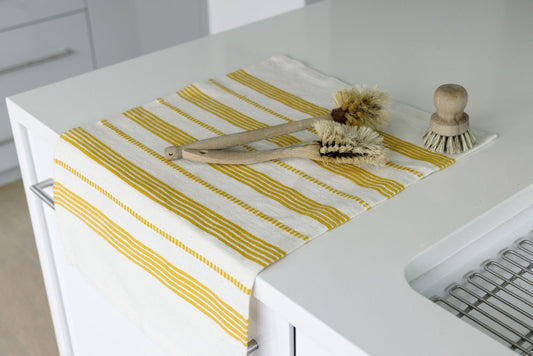
Jane Handwoven Ethiopian Cotton Kitchen Towel
Handwoven · Ethiopia
Regular price $38.00 USDRegular price -
Megebi Handwoven Ethiopian Cotton Apron
Handwoven · Ethiopia
Regular price $68.00 USDRegular price$0.00 USDSale price $68.00 USD -
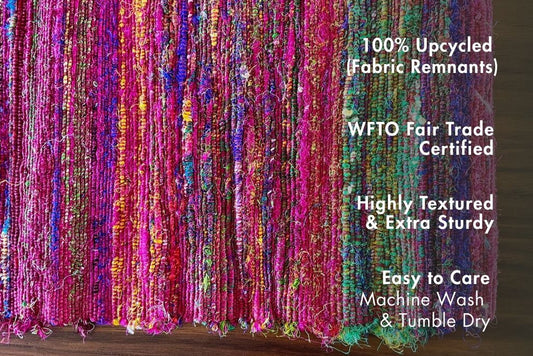
Adesé Handwoven Upcycled Fabric Placemat | Set of 2
Handwoven · Ethiopia
Regular price $58.00 USDRegular price -
The Beach Day Set | Omo Towels (Set of 2)
Ethiopia
Regular price $149.00 USDRegular price$158.00 USDSale price $149.00 USDSold out -
The Perfect Host Gift Set | Matching Handwoven Kitchen Towels
Handwoven · Ethiopia
Regular price From $48.00 USDRegular price$52.00 USDSale price From $48.00 USDSold out -
Chiban Ethiopian Cotton and Leather Cross-Body Bag
Ethiopia
Regular price $59.00 USDRegular price$118.00 USDSale price $59.00 USDSale -
Wari Handwoven Ethiopian Cotton Waffle Bath Towel
Handwoven · Ethiopia
Regular price $80.00 USDRegular price$0.00 USDSale price $80.00 USD -
Wari Handwoven Ethiopian Cotton Waffle Hand Towel
Handwoven · Ethiopia
Regular price $40.00 USDRegular price -
Zarima Handwoven Ethiopian Cotton Waffle Hand Towel
Handwoven · Ethiopia
Regular price $40.00 USDRegular price -
Genalé Handwoven Ethiopian Cotton Hand Towel
Handwoven · Ethiopia
Regular price $38.00 USDRegular price -
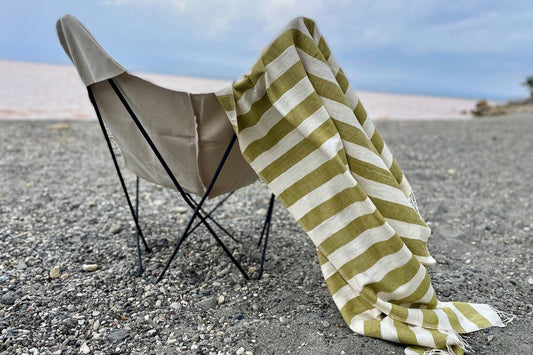
Hassate Handwoven Ethiopian Cotton Shawl
Handwoven · Ethiopia
Regular price $86.00 USDRegular price -
Harar Recycled Silk Ethiopian Table Runner
Ethiopia
Regular price $127.00 USDRegular price$0.00 USDSale price $127.00 USD







Shop more like Sabahar
Every fair trade category with Sabahar products, alongside other vetted brands.


Home & Garden
Shop all Home & Garden →


Health & Beauty
Shop all Health & Beauty →
Brands like Sabahar

Intertwined: Handmade for Good
Handwoven pillows, textiles, bags and home goods made with artisan partners in Guatemala, Morocco, Nepal, Uganda and India.
Shop Intertwined: Handmade for Good →
Korissa
Jute baskets, placemats, serving boards and home goods handmade with artisan partners in Bangladesh and Ecuador.
Shop Korissa →
The Mended Company
Tea towels and table throws hand block printed in South Asia by survivors of modern-day slavery, from a Dallas-based brand.
Shop The Mended Company →


About Sabahar
Is Sabahar fair trade?
Yes. Sabahar has been a member of the World Fair Trade Organization since 2009 and a WFTO Guaranteed member since 2019. That means its whole business, not just individual products, is checked against WFTO's 10 Principles of Fair Trade through peer review and independent audits.
Where are Sabahar products made?
In Ethiopia. Sabahar weaves in its own workshop in Addis Ababa and works with weavers in their homes and in partner workshops. Its cotton yarn is hand-spun by a network of women across the city.
What are Sabahar textiles made from?
Hand-spun Ethiopian cotton and silk, including Eri silk raised by Ethiopian farmers. Many pieces are colored with natural dyes such as coffee, onion skin and marigold.