
-
Noor Table Runner - Gold
Vendor:DarzahRegular price $150.00 USDRegular price -
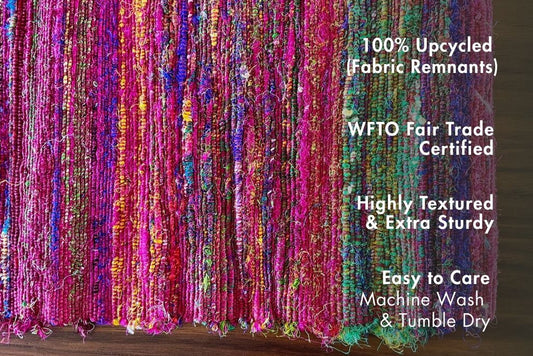
Harar Recycled Silk Ethiopian Table Runner
Vendor:SabaharRegular price $127.00 USDRegular price$0.00 USDSale price $127.00 USD -
Table Runners - Holly Leaf
Vendor:Maison d’HaitiRegular price $60.00 USDRegular price -
Table Runners - Christmas Trees
Vendor:Maison d’HaitiRegular price From $50.00 USDRegular price -
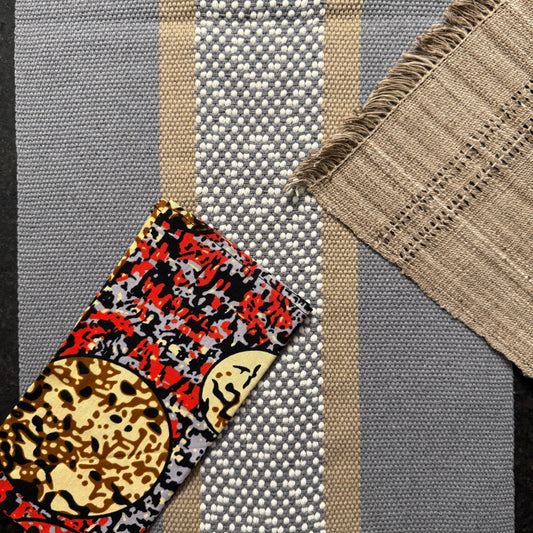
Handwoven Cotton Table Runner - Made in Oaxaca, Mexico
Vendor:Intertwined: Handmade for GoodRegular price $89.00 USDRegular price -
Handwoven Cotton Table Runner - Made in Oaxaca, Mexico
Vendor:Intertwined: Handmade for GoodRegular price $89.00 USDRegular price -
Handwoven Indigo Corte Table Runner | Reversible Jaspe & Denim
Vendor:Intertwined: Handmade for GoodRegular price From $89.00 USDRegular price -
Handwoven Cotton Table Runner - Made in Oaxaca, Mexico
Vendor:Intertwined: Handmade for GoodRegular price $89.00 USDRegular price -
Handwoven Cotton Table Runner - Made in Oaxaca, Mexico
Vendor:Intertwined: Handmade for GoodRegular price $89.00 USDRegular price -
Handwoven Cotton Table Runner - Made in Oaxaca, Mexico
Vendor:Intertwined: Handmade for GoodRegular price $89.00 USDRegular price -
Handwoven Cotton Table Runner - Made in Oaxaca, Mexico
Vendor:Intertwined: Handmade for GoodRegular price $89.00 USDRegular price -
Handwoven Cotton Table Runner
Vendor:Intertwined: Handmade for GoodRegular price $89.00 USDRegular price -
Serpentine Ikat Woven Table Runner - Cinnamon
Vendor:Upavim CraftsRegular price $82.99 USDRegular price$138.00 USDSale price $82.99 USDSale -
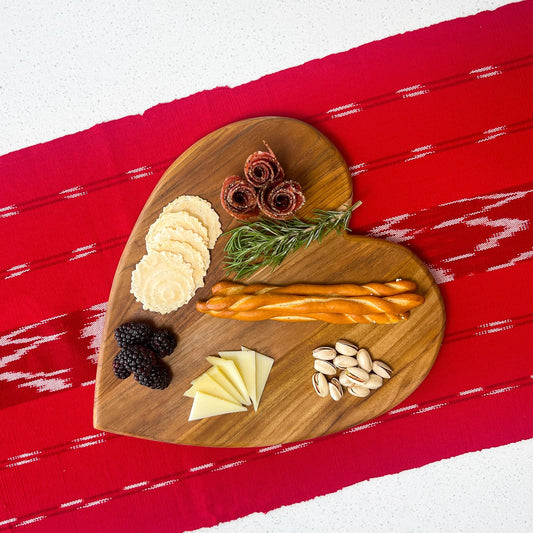
Serpentine Ikat Woven Table Runner - Cherry
Vendor:Upavim CraftsRegular price $82.99 USDRegular price$138.00 USDSale price $82.99 USDSale -
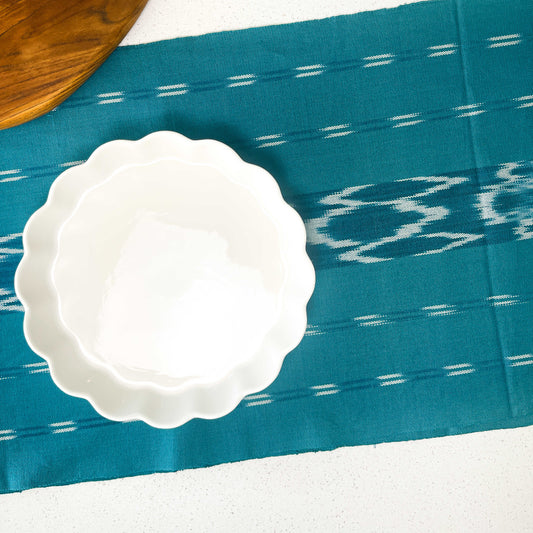
Serpentine Ikat Woven Table Runner - Turquoise
Vendor:Upavim CraftsRegular price $82.99 USDRegular price$138.00 USDSale price $82.99 USDSale -
Kalam Handwoven Ethiopian Cotton Table Runner
Vendor:SabaharRegular price $79.00 USDRegular price








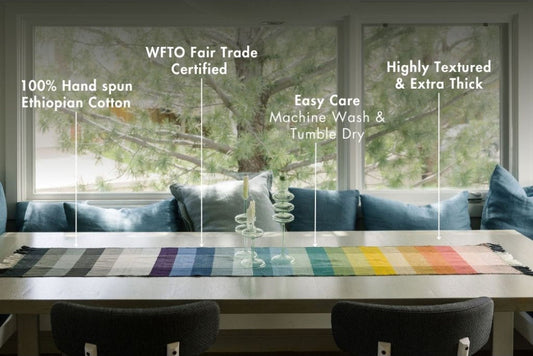
Why Buy Fair Trade Table Runners?
Table runners require consistent weaving quality across longer textile lengths — a production discipline where artisan skill and material knowledge are directly reflected in the result. A handwoven table runner involves sustained loom operation, consistent tension management, and careful finishing at both ends. The length and visibility of a table runner means that any inconsistency in weaving quality is clearly apparent, making skilled production essential.
Fair trade sourcing establishes pricing that reflects the weaving labor per length — accounting for the additional time longer pieces require relative to napkins or placemats. For weaving artisan communities, fair trade buyer relationships provide the income stability that makes continued investment in loom maintenance, yarn sourcing, and weaving skill development possible.
A table runner is a visible centerpiece of the dining experience — seen at every shared meal. Buying fair trade means the weaving craft that produced it was compensated fairly for the skill and time invested in making it well.
What is fair trade home and garden decor?
How can I tell if table runners are actually fair trade?
Are the artisans who make these table runners paid fairly?


Verified ethically made
Every product on The Labour Movement meets our standards for Fair Trade production.
Featured certifiers and membership organizations


