
-
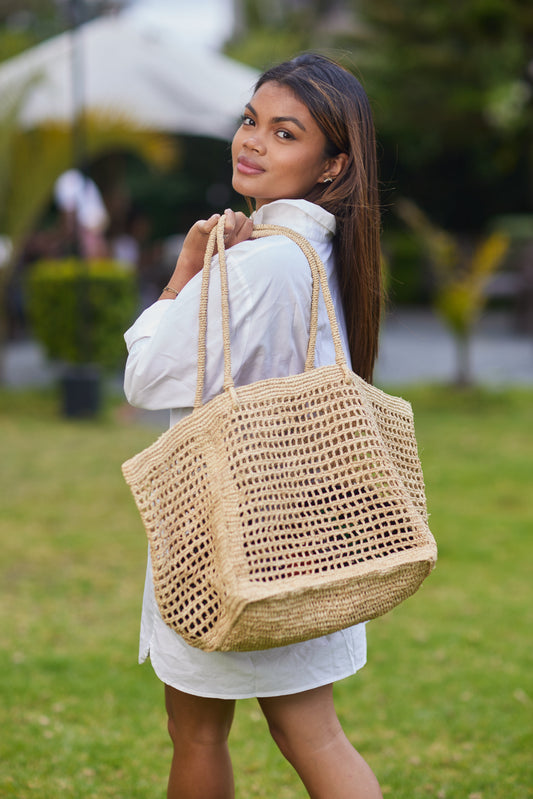
Gisete Beach Tote Bag
Vendor:Powered by PeopleRegular price $165.00 USDRegular price -
Nico Raffia Tote Bag
Vendor:Powered by PeopleRegular price $250.00 USDRegular price -
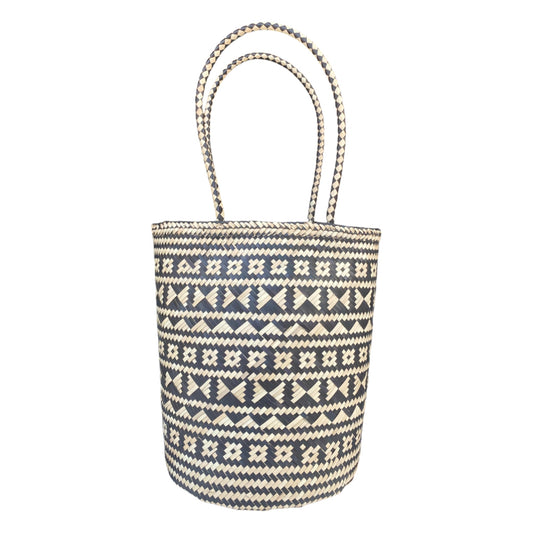
Palm Leaf Shopper Market Tote
Vendor:Powered by PeopleRegular price $40.00 USDRegular price -
Citra Leather and Rattan Tote Bag
Vendor:Powered by PeopleRegular price From $145.00 USDRegular price -
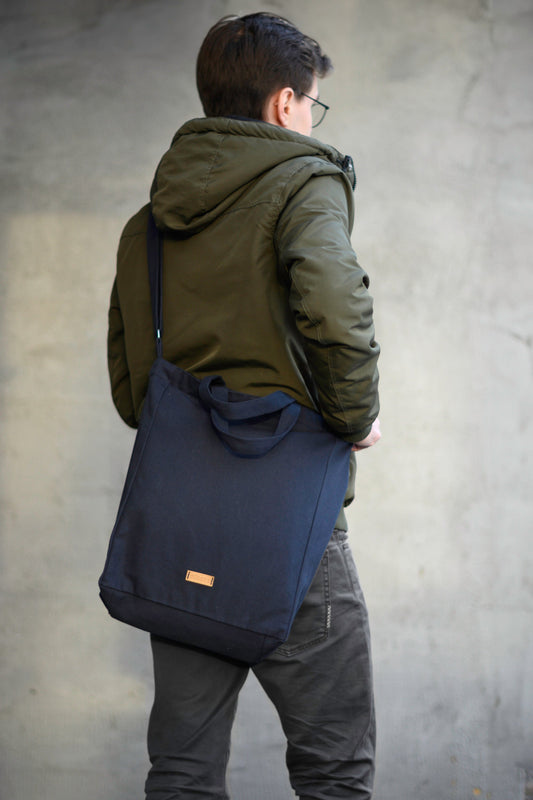
Others Navy Shoulder Strap Tote
Vendor:Powered by PeopleRegular price $40.00 USDRegular price -
Tall Rattan & Leather Tote Bag
Vendor:Powered by PeopleRegular price $110.00 USDRegular price







Why Buy Fair Trade Tote Bags?
Tote bags are often marketed as a sustainable alternative to single-use plastic — but producing a cotton tote involves its own resource and labor footprint that is rarely fully accounted for. Fair trade sourcing addresses the labor dimension directly: who made it, under what conditions, and at what wage.
Fair trade tote bag production applies minimum wage standards and working condition requirements to the sewing and finishing stages, and in many cases extends to the fabric sourcing level. For artisan tote producers using handwoven or naturally dyed textiles, fair trade pricing reflects the actual labor involved — the hours of weaving or dyeing that a machine-printed tote simply doesn't require.
A tote bag used daily over years is worth buying with confidence in how it was made. Fair trade provides that confidence at the stages of production where labor exposure is real — not just in the product's intended use.
What makes a bag fair trade?
What materials are used in fair trade tote bags?
Are workers who make fair trade tote bags paid fairly?


Verified ethically made
Every product on The Labour Movement meets our standards for Fair Trade production.
Featured certifiers and membership organizations


