
-
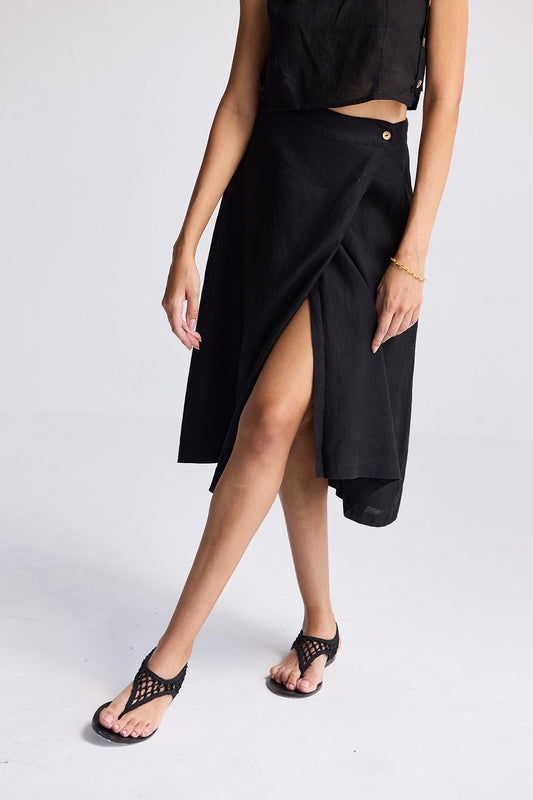
Overlap Midi Skirt in Black
Vendor:REISTOR INCRegular price $120.00 USDRegular price -
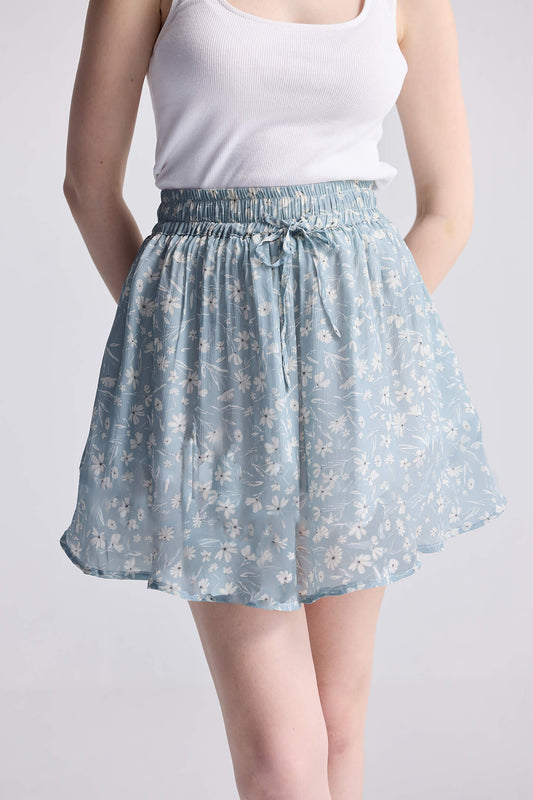
Drawstring Short Skirt in Light Blue Florals
Vendor:REISTOR INCRegular price $102.00 USDRegular price -
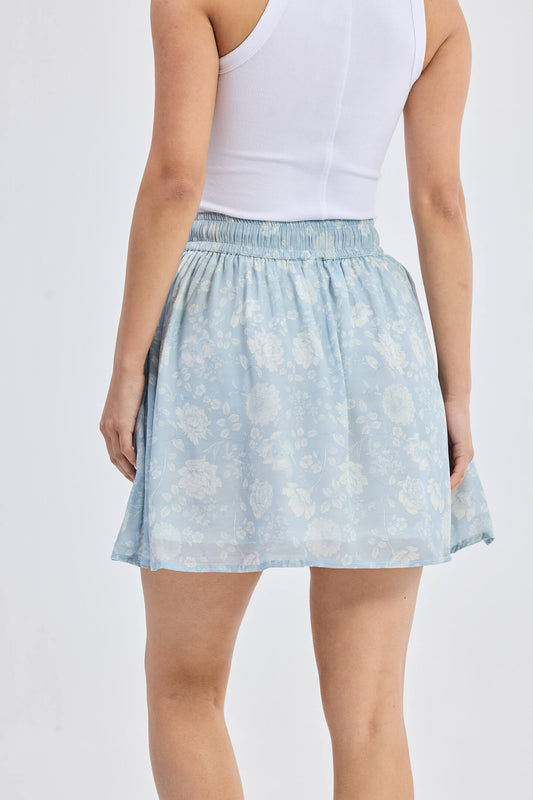
Drawstring Short Skirt in Blue Florals
Vendor:REISTOR INCRegular price $99.00 USDRegular price -
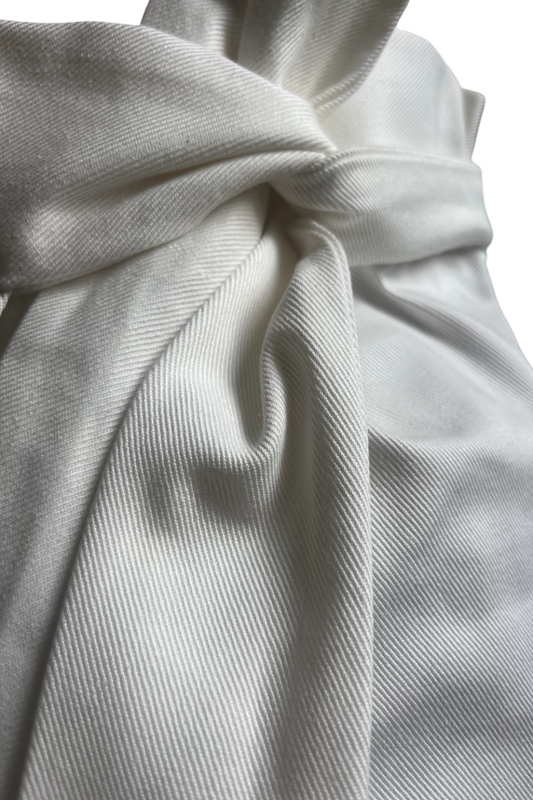
End of roll White Cotton Denim Wrap Midi Skirt
Vendor:ZEROBARRACENTORegular price $218.50 USDRegular price -
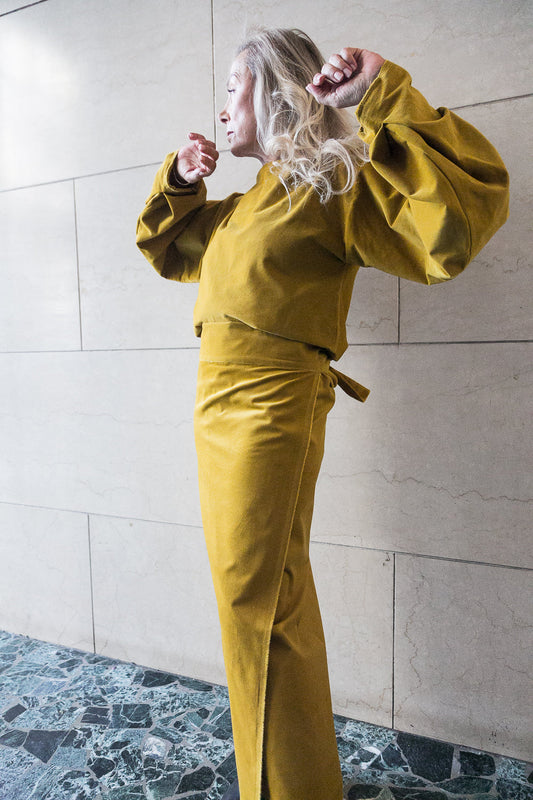
Extra long wrap skirt
Vendor:ZEROBARRACENTORegular price $218.50 USDRegular price -
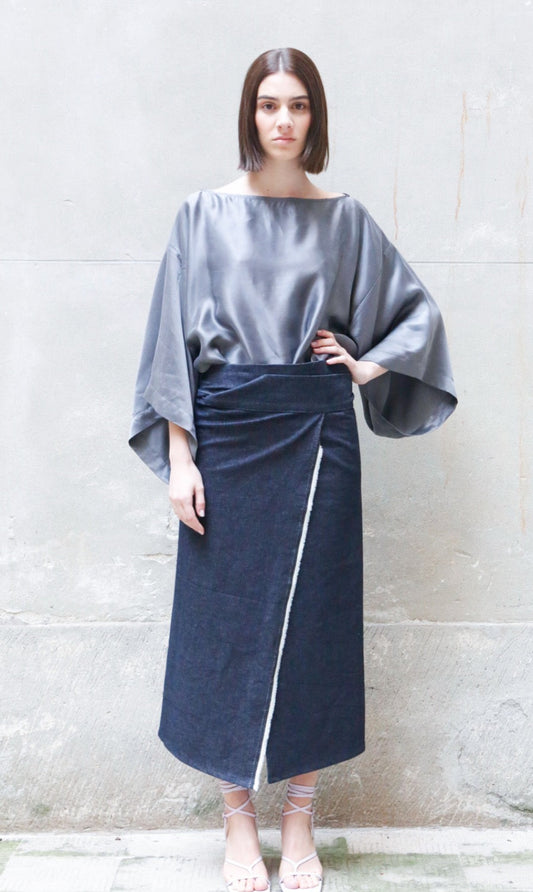
Recycled Cotton Denim Wrap Midi Skirt
Vendor:ZEROBARRACENTORegular price $218.50 USDRegular price -
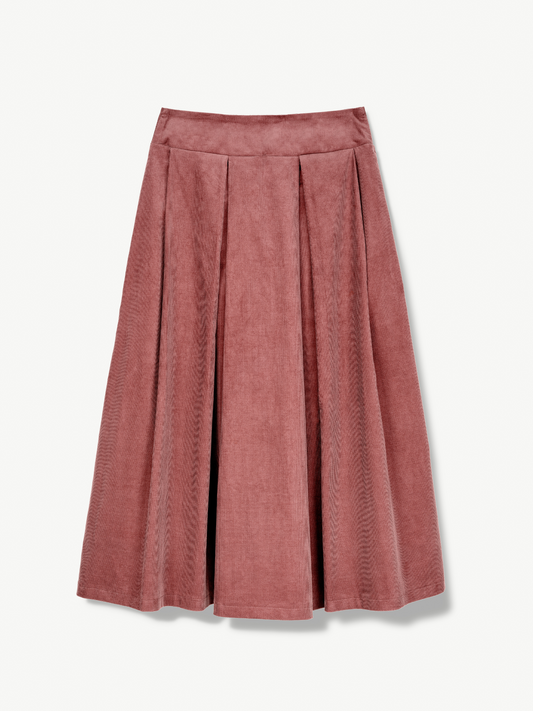
Maxi skirt with pockets Corduroy – Valery | No More Nobody
Vendor:No More NobodyRegular price $288.75 USDRegular price -
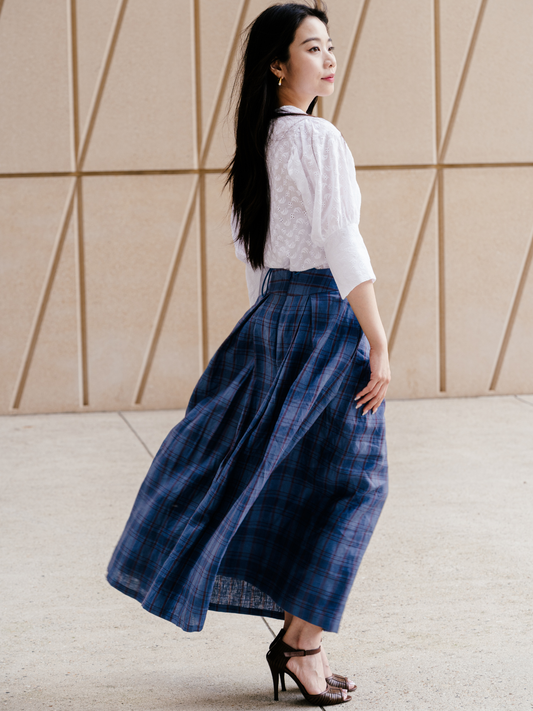
Maxi skirt with pockets Organic Linen – Valery | No More Nobody
Vendor:No More NobodyRegular price $288.75 USDRegular price -
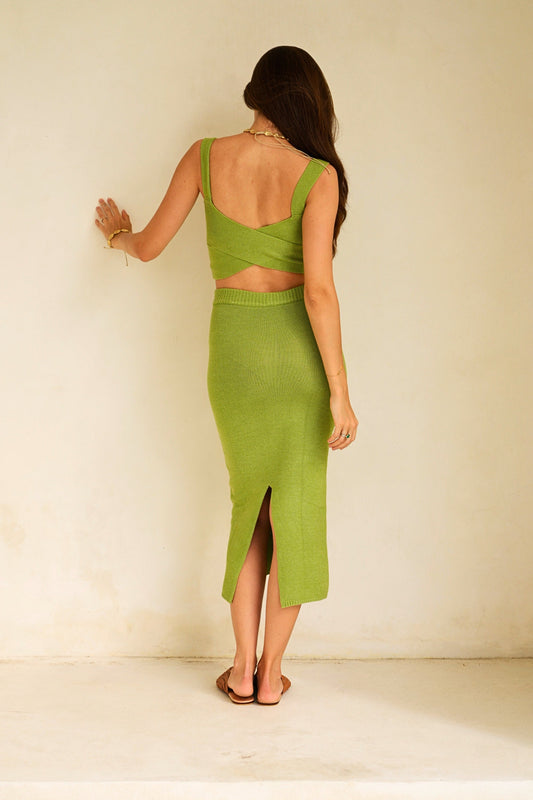
Kimberly Back Split Knit Skirt
Vendor:Powered by PeopleRegular price $128.00 USDRegular price









Why Buy Fair Trade Skirts?
Skirts span a wide range of production complexity — from simple cut-and-sew to intricate hand-embroidered or handwoven pieces where the textile is the primary expression of artisan skill. In conventional markets, this range rarely results in proportionally different wages. Price compression applies across garment categories regardless of skill requirements, with the buyer capturing the value of skilled construction rather than sharing it with the maker.
Fair trade sourcing applies wage and condition standards that reflect production realities. For artisan-made skirts with handwork elements, pricing reflects the actual time and skill involved. Many producers in this collection operate as cooperatives where garment workers have meaningful input into working conditions — a structure that fair trade relationships help sustain.
Choosing fair trade skirts means supporting producers working under conditions designed to be equitable rather than merely legal. For artisan producers in particular, fair trade buyer relationships are often the difference between sustainable production and abandoning skilled craft altogether.
What is fair trade clothing?
How can I tell if skirts are actually fair trade?
Are the workers who make these skirts paid fairly?


Verified ethically made
Every product on The Labour Movement meets our standards for Fair Trade production.
Featured certifiers and membership organizations


