
-
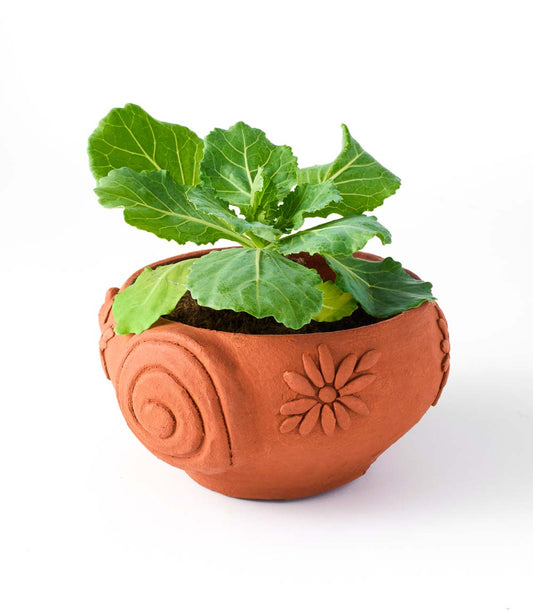
Vasanta House Planter - Terracotta
Vendor:Matr BoomieRegular price $31.00 USDRegular price$0.00 USDSale price $31.00 USD -
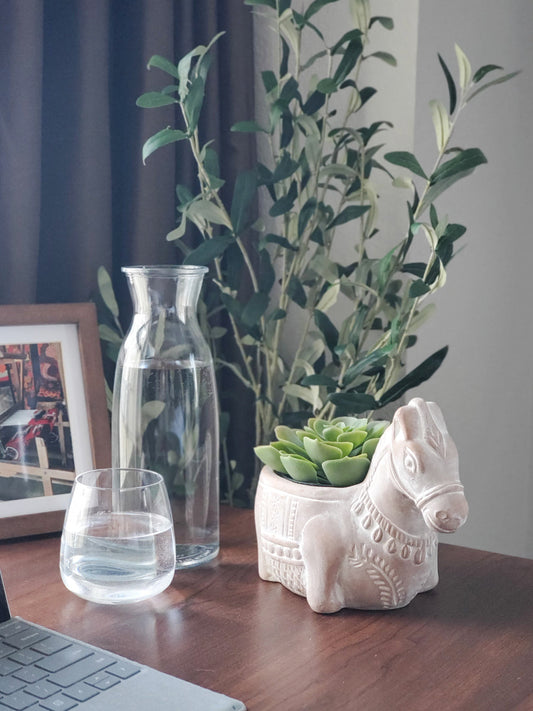
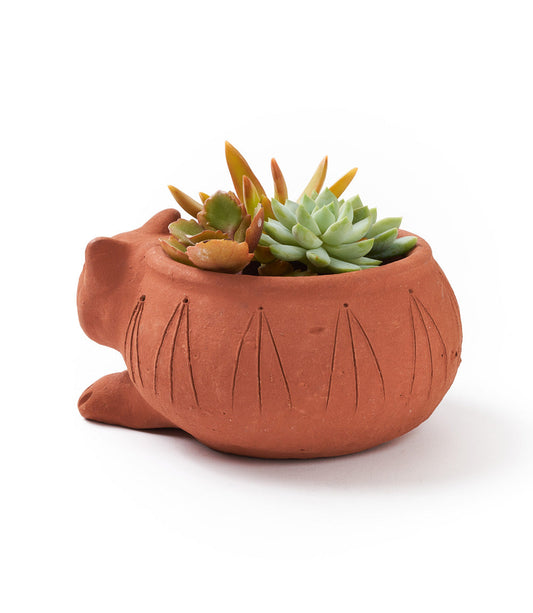
Terracotta Pot - Horse
Vendor:KORISSARegular price $36.00 USDRegular price -
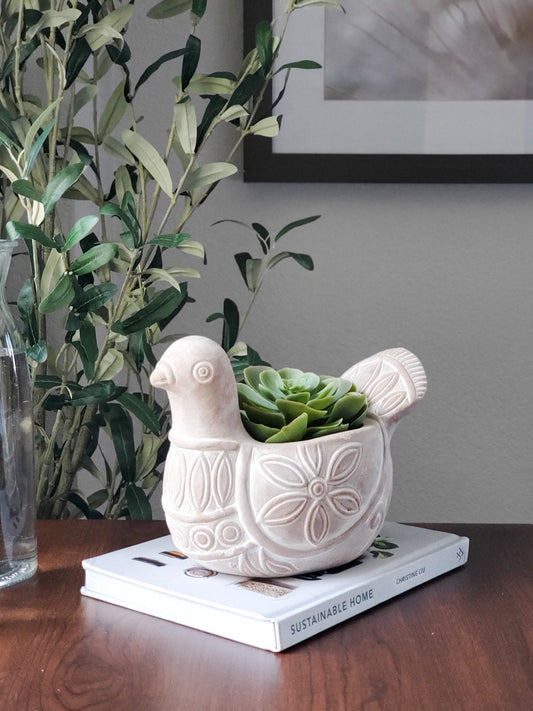
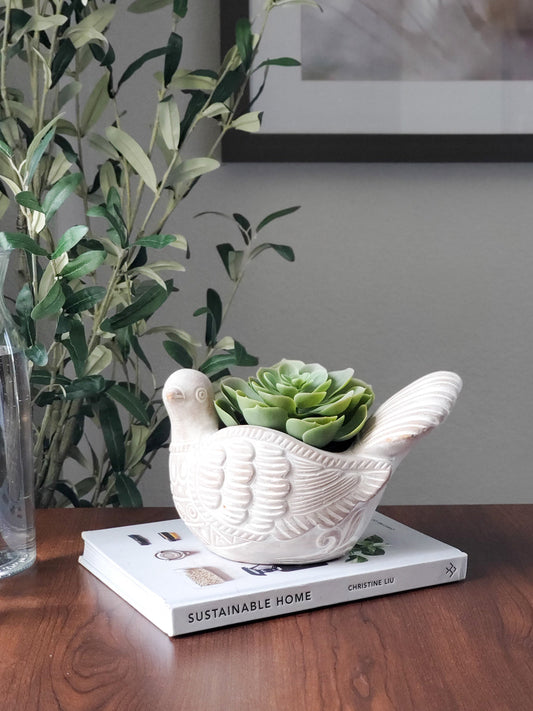
Terracotta Pot - Spotted Dove
Vendor:KORISSARegular price $39.00 USDRegular price -
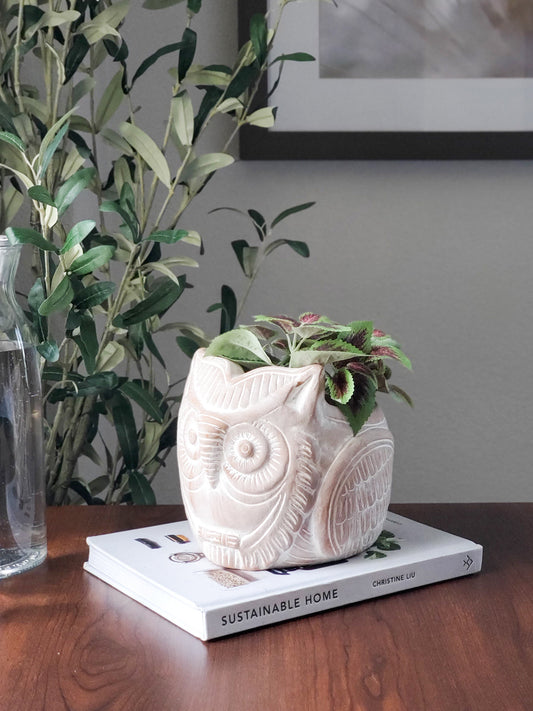
Terracotta Pot - Horned Owl
Vendor:KORISSARegular price $39.00 USDRegular price -
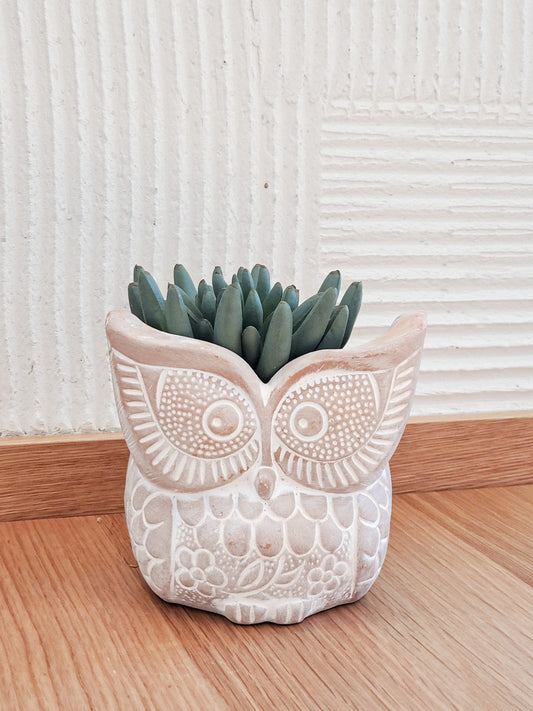
Terracotta Pot - Big Eye Owl
Vendor:KORISSARegular price $35.00 USDRegular price -
Terracotta Pot - Turtle Dove
Vendor:KORISSARegular price $35.00 USDRegular price -
Rakshana Cat Plant Pot - Terracotta
Vendor:Matr BoomieRegular price $28.00 USDRegular price$0.00 USDSale price $28.00 USD -
Lalita Mama Turtle Succulent Planter - Hand Painted Ceramic
Vendor:Matr BoomieRegular price $36.50 USDRegular price$0.00 USDSale price $36.50 USD -
Rakshana Chicken Plant Pot - Terracotta
Vendor:Matr BoomieRegular price $31.00 USDRegular price -
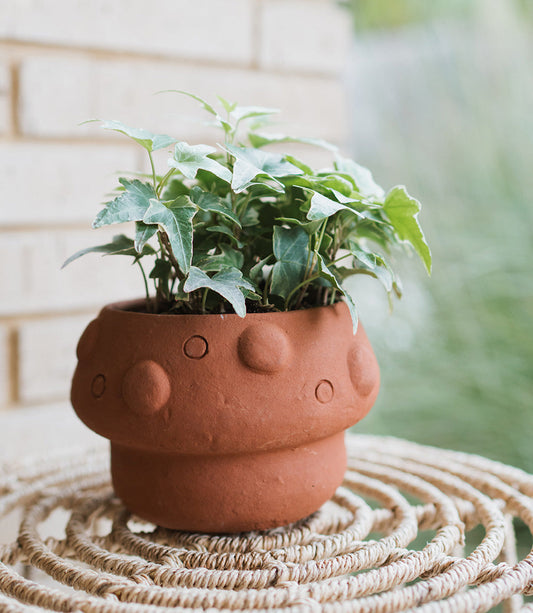
Rakshana Mushroom Plant Pot - Terracotta
Vendor:Matr BoomieRegular price $28.00 USDRegular price$0.00 USDSale price $28.00 USD -
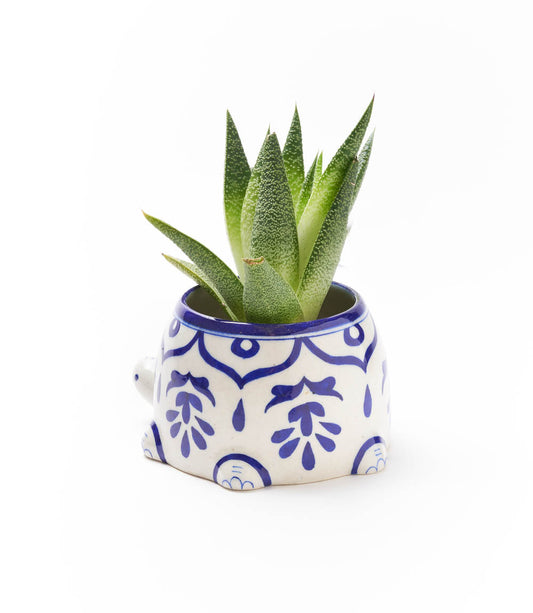
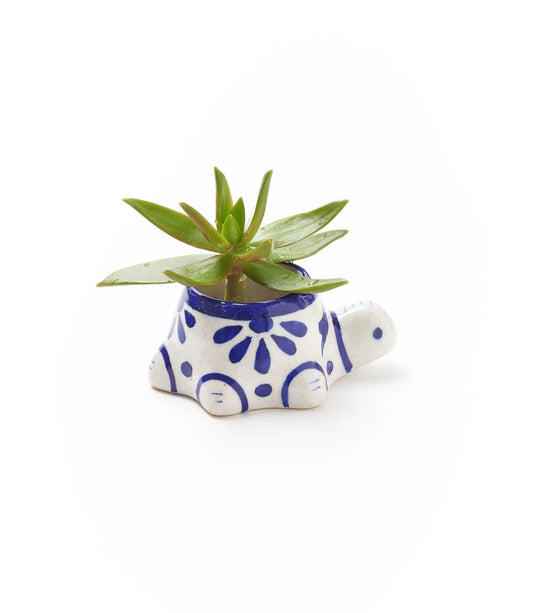
Lalita Baby Turtle Mini Succulent Planter - Hand Painted Ceramic
Vendor:Matr BoomieRegular price $18.50 USDRegular price$0.00 USDSale price $18.50 USD -
Rakshana Snail Plant Pot - Terracotta
Vendor:Matr BoomieRegular price $28.00 USDRegular price$0.00 USDSale price $28.00 USD -
Rakshana Rabbit Plant Pot - Terracotta
Vendor:Matr BoomieRegular price $28.00 USDRegular price$0.00 USDSale price $28.00 USD -
Vasanta Petals Planter - Terracotta
Vendor:Matr BoomieRegular price $31.00 USDRegular price$0.00 USDSale price $31.00 USD -
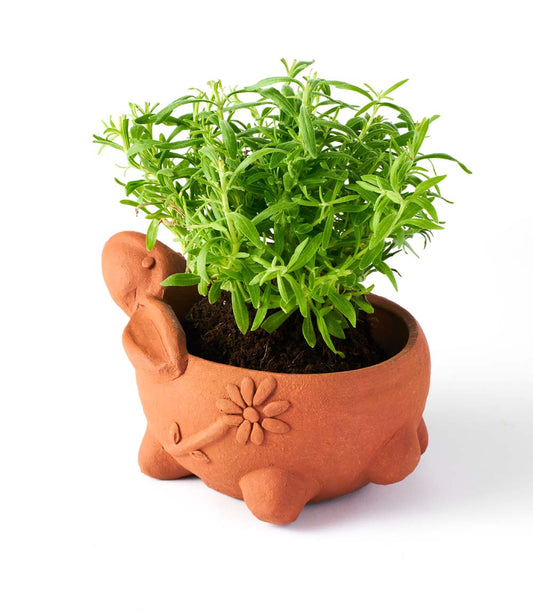
Rakshana Turtle Plant Pot - Terracotta
Vendor:Matr BoomieRegular price $28.00 USDRegular price$0.00 USDSale price $28.00 USD -
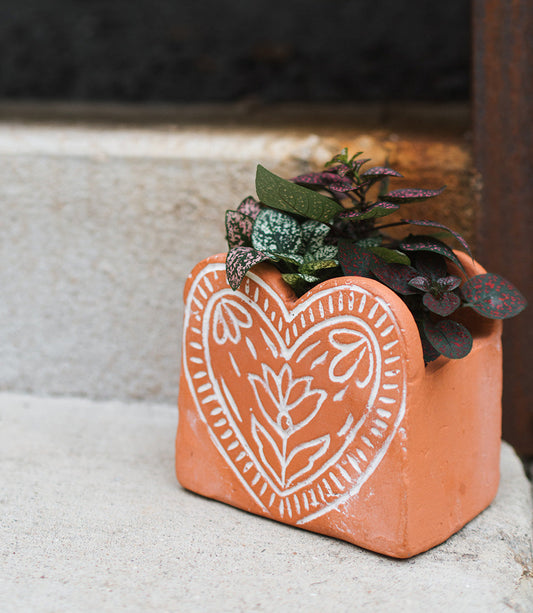
Vasanta Heart Planter - Terracotta
Vendor:Matr BoomieRegular price $28.00 USDRegular price$0.00 USDSale price $28.00 USD
















Why Buy Fair Trade Planters?
Ceramic and terracotta planter production involves wheel throwing, hand-building, glazing, and kiln firing — skilled work requiring technical knowledge of clay bodies and firing temperatures that produce outdoor-durable results. A well-made ceramic planter must withstand temperature variation, moisture, and freeze-thaw cycles without cracking — durability that depends on the maker's material knowledge as much as the production process. This craft knowledge is rarely reflected in conventional wholesale pricing.
Fair trade sourcing applies minimum wage and condition standards at the artisan production level and pricing that reflects the actual throwing, glazing, and firing labor involved. For ceramic artisan producers, fair trade buyer relationships provide the income stability needed to invest in kilns, clay sources, and the production skills that distinguish durable outdoor ceramics from cheaper alternatives.
A planter is a long-term garden investment — chosen for its form, trusted with plants that matter, expected to hold through seasons. Buying fair trade means the ceramic craft behind that durability was compensated fairly for the skill and material knowledge it required.
What is fair trade home and garden decor?
How do fair trade home products support artisans?
Are artisans paid fairly for fair trade garden products?



Verified ethically made
Every product on The Labour Movement meets our standards for Fair Trade production.
Featured certifiers and membership organizations


