
-
"Not All Storms" Leather Journal
Vendor:Powered by PeopleRegular price $45.00 USDRegular price -
Another Adventure Quote Leather Journal
Vendor:Powered by PeopleRegular price From $40.00 USDRegular price -
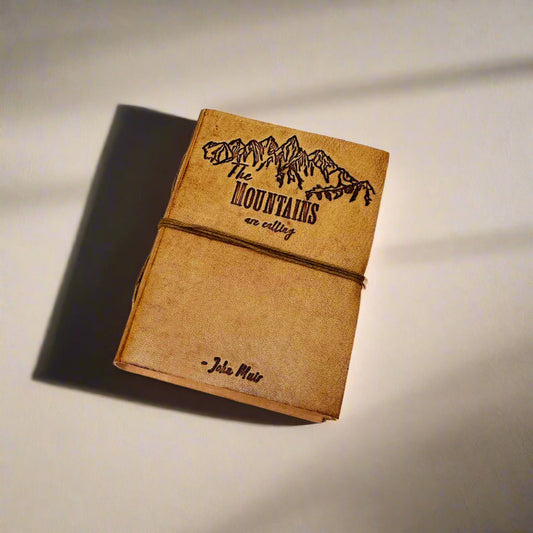
John Muir Quote Leather Journal
Vendor:Powered by PeopleRegular price $40.00 USDRegular price -
Jane Austen Quote Leather Journal
Vendor:Powered by PeopleRegular price $40.00 USDRegular price -
"No Limit To How Radiant" Leather Journal
Vendor:Powered by PeopleRegular price $45.00 USDRegular price -
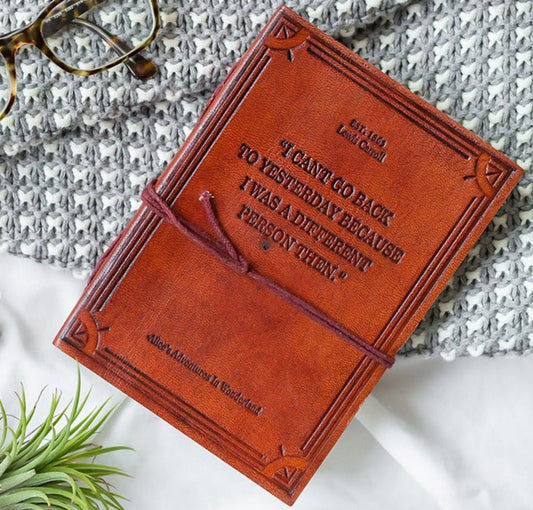
Alice In Wonderland Leather Journal
Vendor:Powered by PeopleRegular price $40.00 USDRegular price -
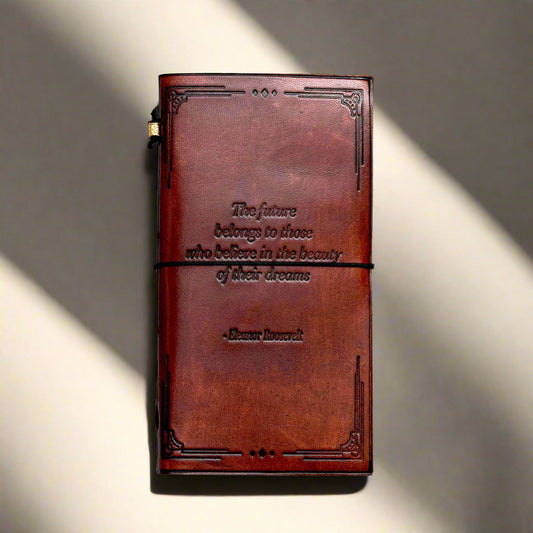
The Future Belongs Eleanor Roosevelt Quote Leather Journal
Vendor:Powered by PeopleRegular price $45.00 USDRegular price -
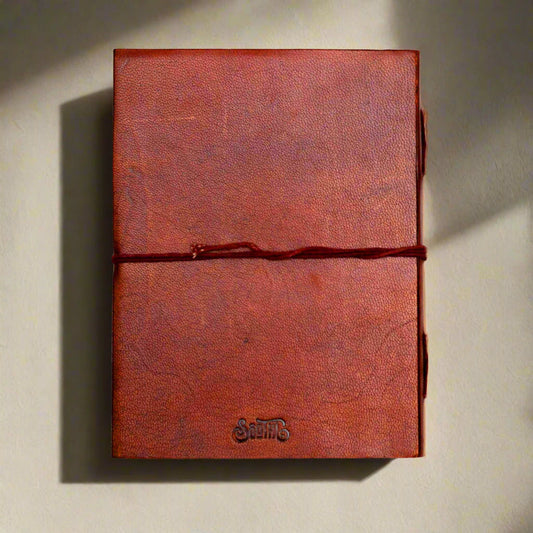
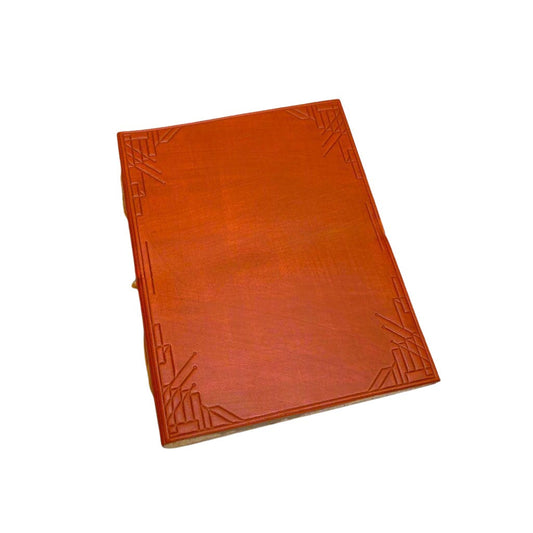
Plain Cover Leather Journal with Lined Pages
Vendor:Powered by PeopleRegular price $45.00 USDRegular price -
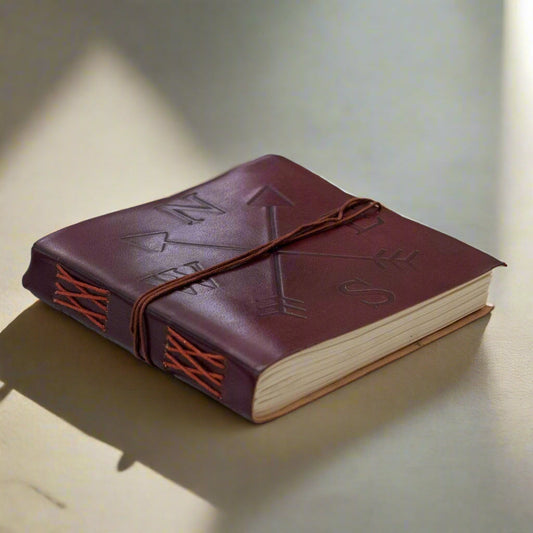
Compass 7x7 Artist Handmade Leather Journal
Vendor:Powered by PeopleRegular price $50.00 USDRegular price -
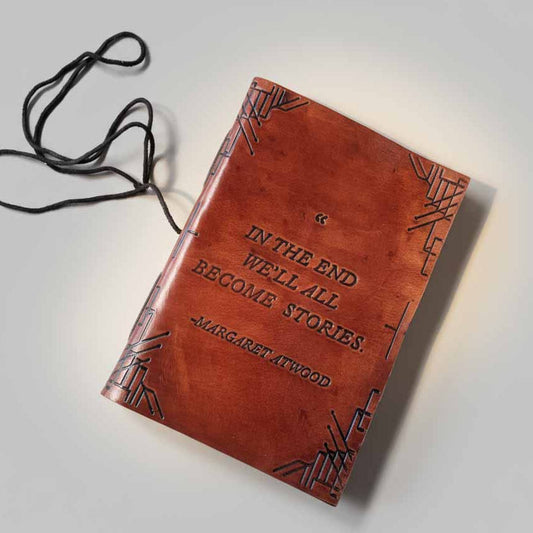
Margaret Atwood Leather Journal
Vendor:Powered by PeopleRegular price $40.00 USDRegular price -
Henry James Quote Leather Journal
Vendor:Powered by PeopleRegular price $40.00 USDRegular price -
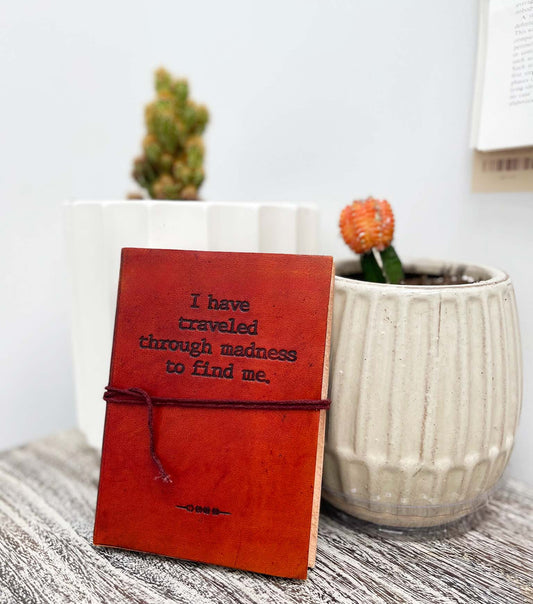
Madness Quote Leather Journal
Vendor:Powered by PeopleRegular price $40.00 USDRegular price -
Oak Brown Zero Waste Handmade Artisanal Journal
Vendor:Powered by PeopleRegular price $59.00 USDRegular price -
Embossed Brown Leather Moon Phase 5x7 Journal - Refillable Cruelty-Free
Vendor:Powered by PeopleRegular price $60.00 USDRegular price -
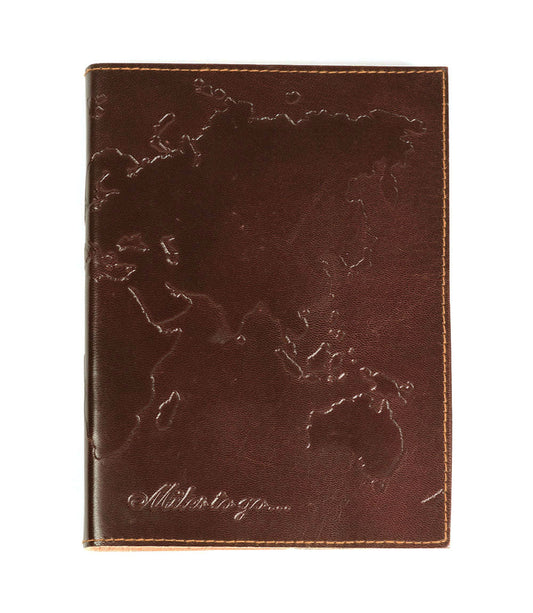
World 5x7 Leather Journal - Refillable Recycled Paper
Vendor:Powered by PeopleRegular price $60.00 USDRegular price -
Bistre Black Zero Waste Handmade Artisanal Journal
Vendor:Powered by PeopleRegular price $59.00 USDRegular price


















Why Buy Fair Trade Notebooks & Journals?
Notebook and journal production involves paper sourcing, binding, cover production, and finishing — a process with both material and labor dimensions that are often invisible in conventional stationery supply chains. For handmade paper notebooks in particular, the paper-making process is itself a traditional artisan craft: pulping plant fibers, forming sheets by hand, pressing, drying, and assembling into books. This labor is significant per notebook and rarely reflected in conventional wholesale pricing.
Fair trade sourcing applies production standards at the paper making and binding stages, with pricing that reflects actual labor content — especially for handmade paper journals where artisan paper production is the primary input. For producers making notebooks from traditional handmade papers, fair trade pricing ensures the craft is compensated at a level that sustains the producer and the technique.
A notebook is used for things worth keeping. Choosing fair trade means the object holding those things was made by someone whose craft was valued appropriately, and the purchase supports continued production by skilled makers.
What is fair trade stationery?
What materials are used in fair trade notebooks and journals?
How does buying fair trade notebooks support producers?


Verified ethically made
Every product on The Labour Movement meets our standards for Fair Trade production.
Featured certifiers and membership organizations


