Browse Fair Trade Home & Garden by Category


Featured Fair Trade Decor
Shop all →-
Lhasa Orange & Violet Outdoor Doormat - 24" x 36" Non-Slip, Recycled Plastic
Vendor:Fab HabitatRegular price $64.98 USDRegular price -
Petite Stoneware Flower Vase
Vendor:Upavim CraftsRegular price $18.50 USDRegular price -
Elephant Animalito Ornament
Vendor:Upavim CraftsRegular price $3.75 USDRegular price$5.50 USDSale price $3.75 USDSale -
Crochet Hummingbird Ornament
Vendor:Mélange CollectionRegular price $15.00 USDRegular price -
Baby Goats in Pajamas Ornaments, set of 2
Vendor:Mélange CollectionRegular price $30.00 USDRegular price -
Highland Cow Ornaments, set of 3
Vendor:Mélange CollectionRegular price $45.00 USDRegular price


Featured Fair Trade Kitchen & Dining
Shop all →-
Dubai After Dark Bowl
Vendor:Rosie’s Boutique HaitiRegular price From $13.00 USDRegular price -
Tea Towel - Pomegranate
Vendor:DarzahRegular price $30.00 USDRegular price -
Noor Table Runner - Gold
Vendor:DarzahRegular price $150.00 USDRegular price -
Tea Towel - Olive
Vendor:DarzahRegular price $30.00 USDRegular price -
Tea Towel - Fig
Vendor:DarzahRegular price $30.00 USDRegular price -
Dawa Handwoven Ethiopian Cotton Bath Set | 1 Bath Mat + 1 Bath Towel + 1 Hand Towel
Vendor:SabaharRegular price $169.00 USDRegular price$177.00 USDSale price $169.00 USDSold out


Featured Fair Trade Garden
Shop all →-
Vasanta House Planter - Terracotta
Vendor:Matr BoomieRegular price $31.00 USDRegular price$0.00 USDSale price $31.00 USD -
Plant Hanger - Kadam
Vendor:KORISSARegular price $32.00 USDRegular price -
Plant Hanger - Bitan
Vendor:KORISSARegular price From $30.00 USDRegular price -
Plant Hanger - Shuly
Vendor:KORISSARegular price $37.00 USDRegular price -
Plant Hanger - Fiora
Vendor:KORISSARegular price From $30.00 USDRegular price -
Plant Hanger - Nadu
Vendor:KORISSARegular price From $27.00 USDRegular price


Why Buy Fair Trade Home & Garden?
Home goods cover some of the most craft-intensive production in global trade. Baskets, ceramics, woven textiles, carved sculptures, and handmade candles all rely on skilled artisan labor that conventional retail pricing frequently undervalues. Many home goods categories are dominated by low-cost volume production where margin pressure lands on workers rather than being distributed across the supply chain.
Fair trade standards in home goods typically apply at the artisan or small-producer level — setting minimum pricing that reflects real production costs, supporting community premiums for cooperative producers, and building long-term purchasing relationships that give artisan communities stable income. For categories like basketry and ceramics, where production is concentrated in specific communities, those relationships can underpin an entire local economy.
Home goods are long-term purchases — chosen deliberately and lived with daily. Buying fair trade means the objects in your home were made by skilled artisans compensated fairly for their work, backed by a supply chain held to a standard that reflects what that craft is worth.
What is fair trade home and garden decor?
How can I tell if home decor is actually fair trade?
Is fair trade home decor more expensive?
What types of products are included in fair trade home and garden?
How do fair trade home products support artisans?
What makes fair trade home decor different from mass-produced items?
Are artisans paid fairly for fair trade home decor?

Verified ethically made
Every product on The Labour Movement meets our standards for Fair Trade production.
Featured certifiers and membership organizations


Explore products in this category
-
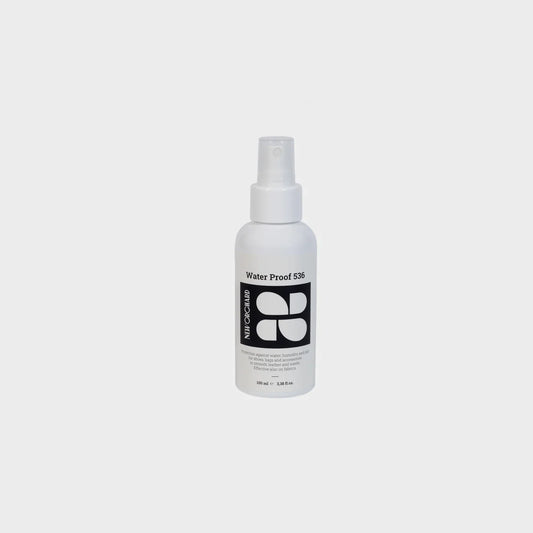
Vegan Shoe Care Set - Insoles & Water Repellent Spray
Vendor:The New OrchardRegular price $40.57 USDRegular price -
Lily Pillow Cover - Green
Vendor:DarzahRegular price $120.00 USDRegular price -
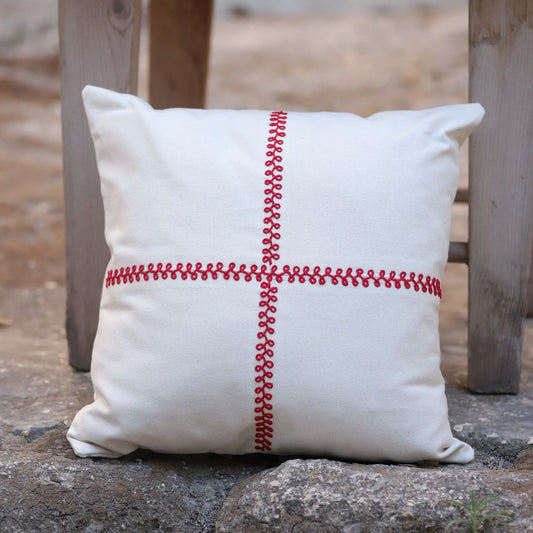
Tahriri Pillow Cover - Red
Vendor:DarzahRegular price $120.00 USDRegular price -
Noor Table Runner - Gold
Vendor:DarzahRegular price $150.00 USDRegular price -
Lily Pillow Cover - Red
Vendor:DarzahRegular price $120.00 USDRegular price -
Tea Towel - Olive
Vendor:DarzahRegular price $30.00 USDRegular price -
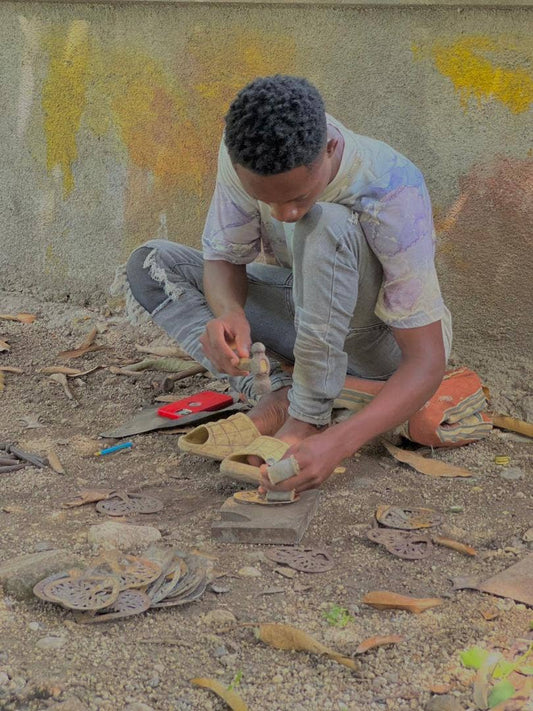
Fair Trade Haitian Metal Flaming Heart Wall Art – Handmade
Vendor:Haiti Fair Trade - It’s CactusRegular price $27.50 USDRegular price -
Tea Towel - Fig
Vendor:DarzahRegular price $30.00 USDRegular price -
Wildflower Seeds
Vendor:Threads 4 ThoughtRegular price $0.00 USDRegular price -
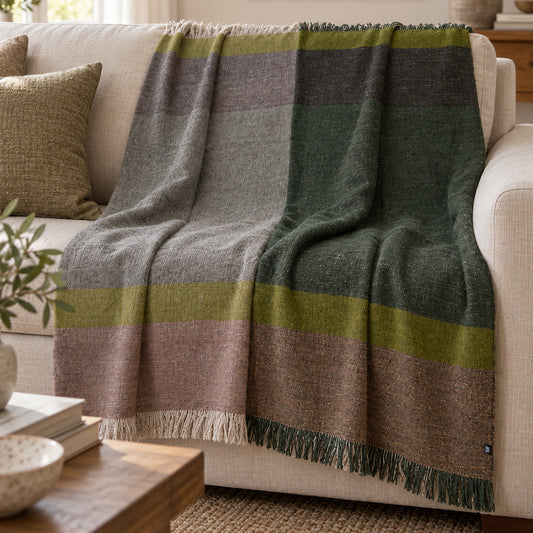
Forest Green Color Block Alpaca Throw
Vendor:SLATE + SALTRegular price $278.00 USDRegular price -

 Sold out
Canoa Blanket - Taupe Earth
Vendor:Beyond Borders CollectiveRegular price $170.00 USDRegular price -
Chunky Chocolate Weave Alpaca Throw
Vendor:SLATE + SALTRegular price $298.00 USDRegular price