Browse Fair Trade Baby & Toddler by Category


Featured Fair Trade Baby Clothing
Shop all →-
Breathing Reassurance Baby Sleep Sack
Vendor:Sleep of MindRegular price $64.00 USDRegular price -
 Sold out
The Wren Dress | Piper&Cloth
Vendor:Powered by PeopleRegular price $0.00 USDRegular price -
Kitty Baby Booties
Vendor:Upavim CraftsRegular price $23.50 USDRegular price -
Bunny Baby Booties
Vendor:Upavim CraftsRegular price $23.50 USDRegular price -
Cow Baby Booties
Vendor:Upavim CraftsRegular price $23.50 USDRegular price -
Handwoven Baby Booties
Vendor:Upavim CraftsRegular price $14.00 USDRegular price$14.00 USDSale price $14.00 USD


Featured Fair Trade Baby Toys
Shop all →-
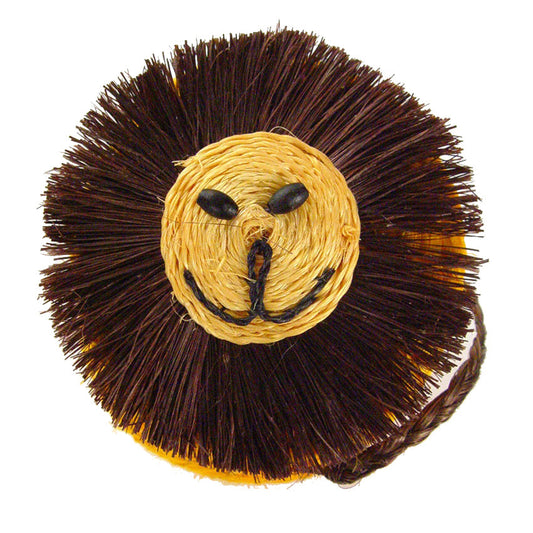
Lion Lidded Basket
Vendor:Powered by PeopleRegular price $32.00 USDRegular price -
Clever Piggy Lidded Basket
Vendor:Powered by PeopleRegular price $32.00 USDRegular price -
Cow Puppet Washcloth - Patches the Cow
Vendor:Upavim CraftsRegular price $21.00 USDRegular price -
Lamb 10" Pillow, Ecru
Vendor:Mélange CollectionRegular price $53.00 USDRegular price -
Lamb 10" Pillow, Pink
Vendor:Mélange CollectionRegular price $53.00 USDRegular price -
Goose Lovey, Soft Ivory
Vendor:Powered by PeopleRegular price $78.00 USDRegular price


Why Buy Fair Trade Baby & Toddler?
Baby and toddler products move through the same production systems as adult goods — garment factories, toy manufacturers, textile mills — with the added consideration of material safety for products that touch young skin. In conventional supply chains, cost pressure can mean chemical safety and labor standards are both treated as variables to be minimized rather than requirements to be met.
Fair trade sourcing for baby and children's goods requires verified labor standards at the production stage, and many producers also meet restricted substance standards for materials. Workers were paid fairly, and products were made under conditions designed to limit harmful chemical exposure — two standards that reinforce each other under stable, long-term producer relationships.
Buying fair trade in this category is straightforward: goods made by workers treated with dignity, for children who deserve products made responsibly. The supply chain transparency that fair trade requires makes both claims verifiable, not assumed.
Is fair trade the same as organic or non-toxic?
What certifications should I look for in fair trade baby products?
Are fair trade baby products safe for children?
What materials are used in fair trade baby clothing and products?
What are the benefits of fair trade baby clothing?
Why do fair trade baby products cost more?
How do fair trade baby products support families and communities?
Verified ethically made
Every product on The Labour Movement meets our standards for Fair Trade production.
Featured certifiers and membership organizations


Explore products in this category
-
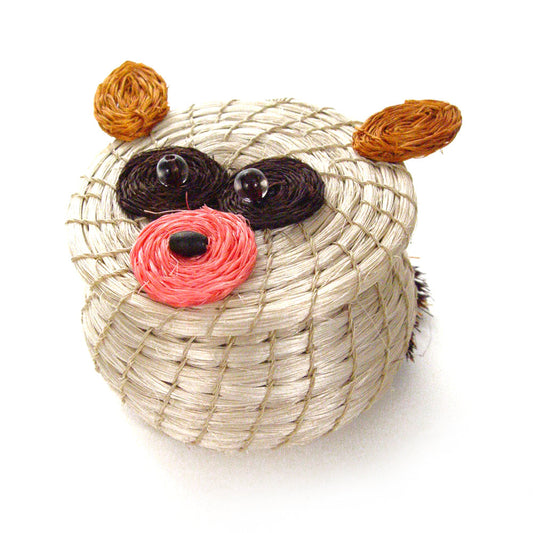
Bush Baby Lidded Basket
Vendor:Powered by PeopleRegular price $32.00 USDRegular price -
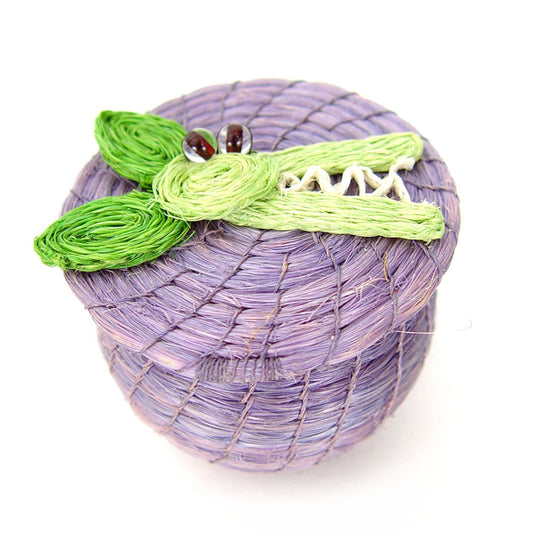
Crocodile Lidded Basket
Vendor:Powered by PeopleRegular price $32.00 USDRegular price -
Clever Piggy Lidded Basket
Vendor:Powered by PeopleRegular price $32.00 USDRegular price -
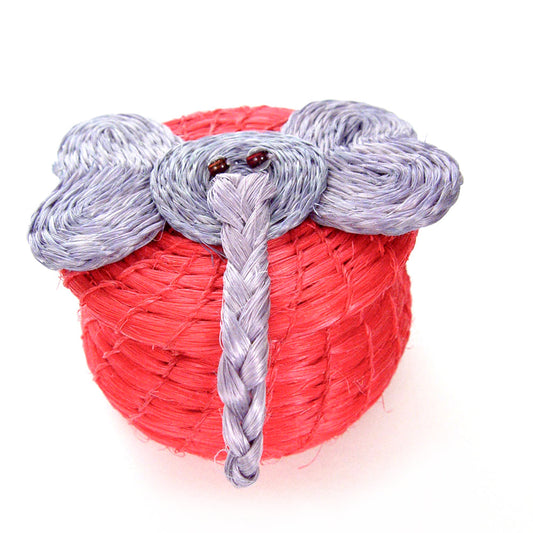
Elephant Lidded Basket - Pink
Vendor:Powered by PeopleRegular price $32.00 USDRegular price -
Lion Lidded Basket
Vendor:Powered by PeopleRegular price $32.00 USDRegular price