
-
Hand Dyed Batik Scarf, Soft Cotton, Mangosteen, Blue, Pink, Fruit, Floral
Vendor:Powered by PeopleRegular price $43.00 USDRegular price -
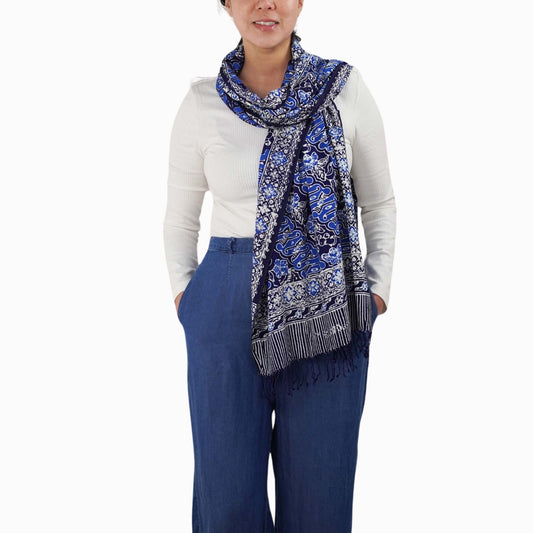
Handmade Batik Scarf, Soft Cotton, Midnight Autumn, Blue Black Navy, White
Vendor:Powered by PeopleRegular price $49.00 USDRegular price -
Chevron Scarf in Baby Alpaca
Vendor:Powered by PeopleRegular price $295.00 USDRegular price -
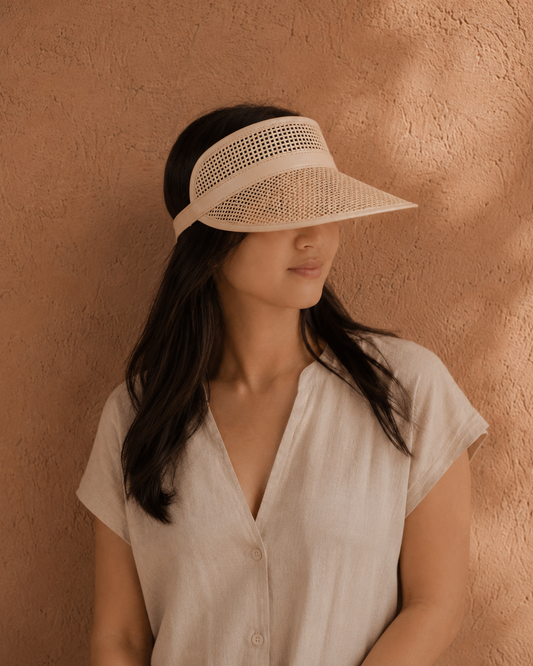
Sumi Leather and Cane Rattan Visor
Vendor:Powered by PeopleRegular price From $49.00 USDRegular price -
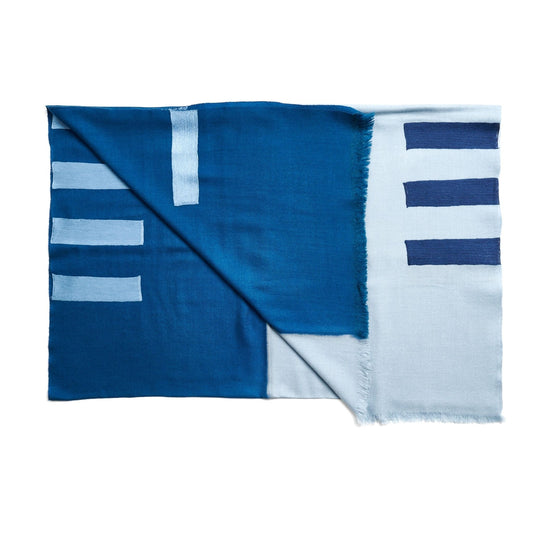
Canyon Hand Embroidered Hand Woven Merino Silk Soft Scarf
Vendor:Powered by PeopleRegular price $189.00 USDRegular price -
Chevron Shawl in Baby Alpaca
Vendor:Powered by PeopleRegular price $595.00 USDRegular price -
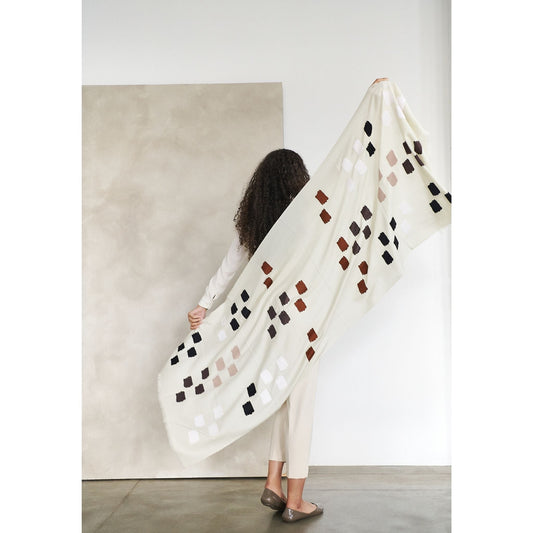
Off White Dahlia Hand Embroidered Hand Woven Modern Artisanal Scarf
Vendor:Powered by PeopleRegular price $259.00 USDRegular price -
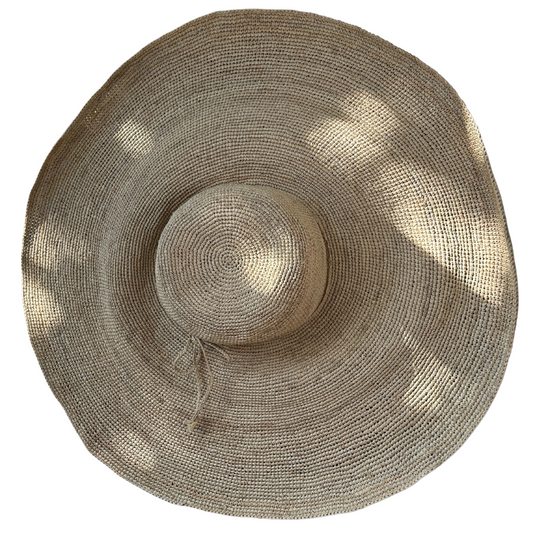
Noulo- Large Hat
Vendor:Powered by PeopleRegular price $80.00 USDRegular price -
Resin Hair Clips
Vendor:Powered by PeopleRegular price $12.00 USDRegular price -
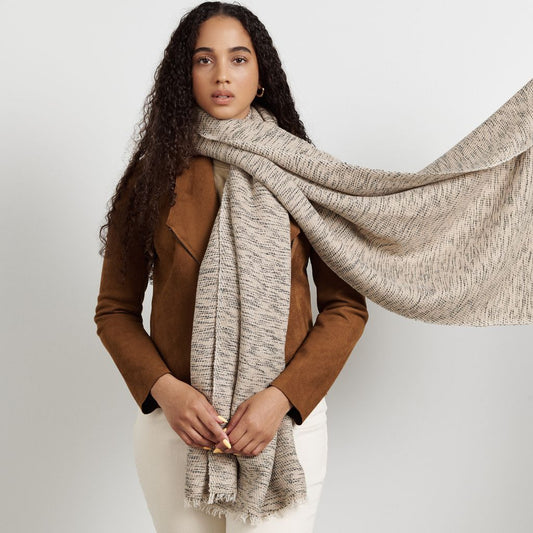
Forest Night Handwoven Neutral Cashmere Merino Scarf
Vendor:Powered by PeopleRegular price $159.00 USDRegular price -
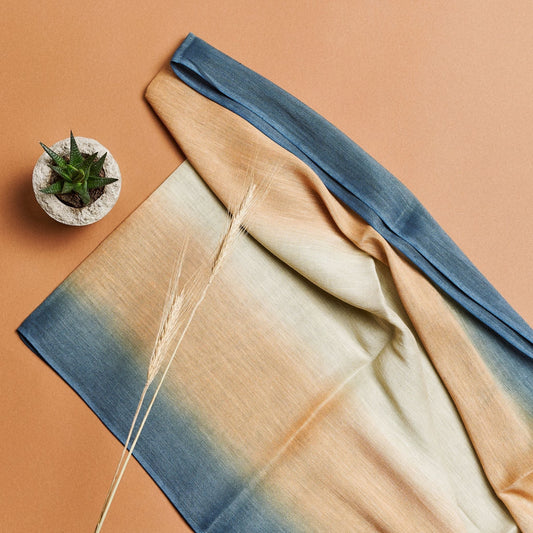
Oceana Beige Soft Linen Silk Handloom Scarf
Vendor:Powered by PeopleRegular price $139.00 USDRegular price -
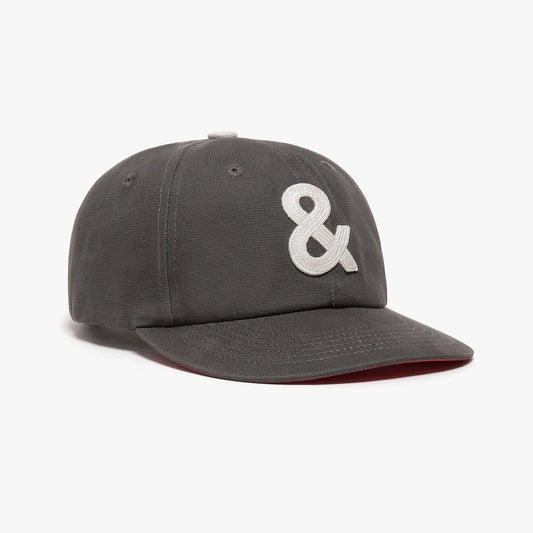
The Chef Hat - Charcoal Gray
Vendor:Powered by PeopleRegular price $40.00 USDRegular price -
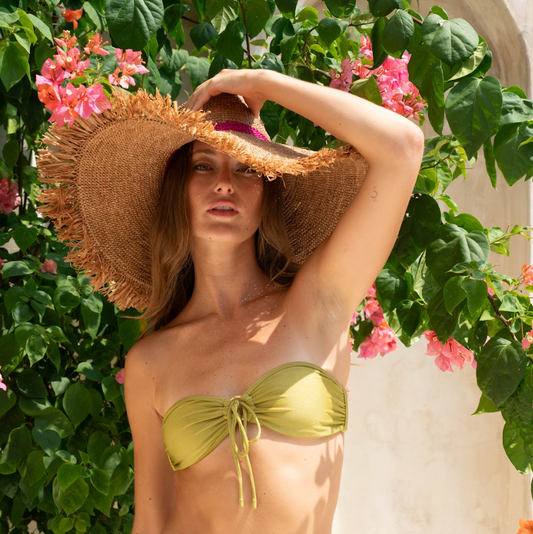
Chapeaute Caramel Pink Hat
Vendor:Powered by PeopleRegular price $80.00 USDRegular price -
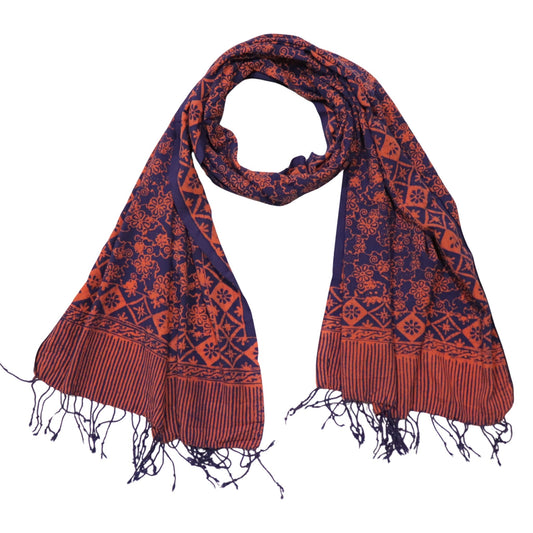
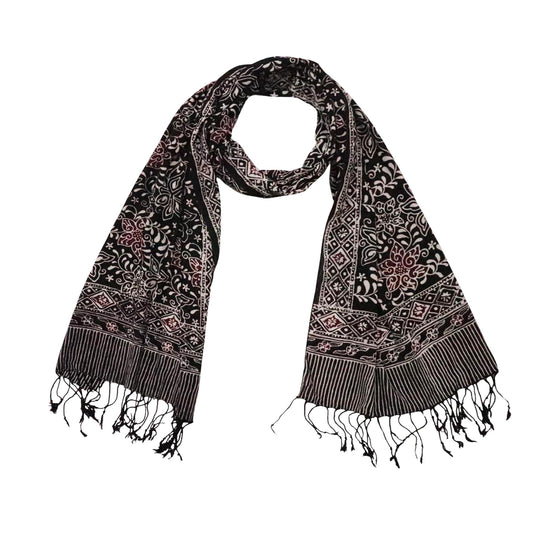
Hand Dyed Batik Scarf, 100% Cotton Fabric, Black Red Floral Star
Vendor:Powered by PeopleRegular price $40.00 USDRegular price














Why Buy Fair Trade Accessories?
Clothing accessories span a wide range of production types — scarves may be woven or knitted by artisans; hats involve blocking, felting, or weaving; belts require leatherwork or textile production. In conventional markets, accessories are often produced in the same factory systems as garments, with smaller production runs that make consistent supply chain oversight harder to maintain.
Fair trade sourcing applies minimum wage and condition standards across these production types. For artisan accessory producers — weavers making scarves on traditional looms, felt hat makers, hand-knotted belt producers — fair trade pricing reflects the skill and time involved rather than benchmarking against mass-produced equivalents. These are categories where handcraft is often the primary reason for the purchase, and fair trade ensures that craft is compensated appropriately.
Accessories are finishing choices and frequent gifts. Buying fair trade means the craft behind them was valued and paid for correctly — a standard that's straightforward to apply consistently once you know which producers and certifications to look for.
What makes an accessory fair trade?
How can I tell if an accessory is actually fair trade?
Are workers who make fair trade accessories paid fairly?


Verified ethically made
Every product on The Labour Movement meets our standards for Fair Trade production.
Featured certifiers and membership organizations


