
-
Handblown Green Wine Decanter
Vendor:Intertwined: Handmade for GoodGuatemalaMade by Artisan cooperatives
Regular price $69.00 USDRegular price -
Handblown Striped Martini/Margarita Glasses, Set of 2
Vendor:Intertwined: Handmade for GoodGuatemalaMade by Artisan cooperatives
Regular price $46.00 USDRegular price -
Handblown Green Champagne Flutes, Set of 2
Vendor:Intertwined: Handmade for GoodGuatemalaMade by Artisan cooperatives
Regular price $49.00 USDRegular price$0.00 USDSale price $49.00 USD -
Handblown Teal Old Fashioned Glasses, Set of 2
Vendor:Intertwined: Handmade for GoodGuatemalaMade by Artisan cooperatives
Regular price $39.00 USDRegular price -
Handblown Teal Stemless Wine Glasses, Set of 2
Vendor:Intertwined: Handmade for GoodGuatemalaMade by Artisan cooperatives
Regular price $47.00 USDRegular price -
Stoneware Kitty Mug
Vendor:Upavim CraftsGuatemala
Regular price $29.75 USDRegular price -
Anna’s Cowabunga Cat Mug – A Darn Good Yarn Exclusive!
Vendor:Darn Good YarnMade by Women artisan co-ops
Regular price $20.00 USDRegular price$25.00 USDSale price $20.00 USDSale -
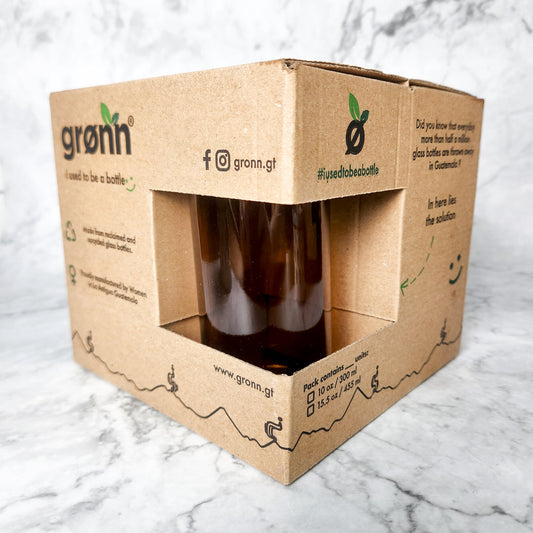
Gin Reclaimed Bottle Glassware - Set of 4
Vendor:Upavim CraftsGuatemala
Regular price $54.00 USDRegular price$68.00 USDSale price $54.00 USDSale -
Reclaimed Amber Glass Tall Tumblers – Set of 4
Vendor:Upavim CraftsGuatemala
Regular price $33.00 USDRegular price$48.00 USDSale price $33.00 USDSale -
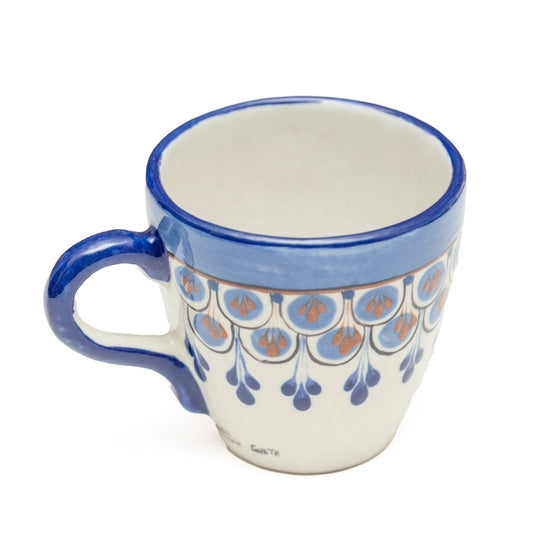
Stoneware Coffee Mug
Vendor:Upavim CraftsGuatemala
Regular price $26.00 USDRegular price -
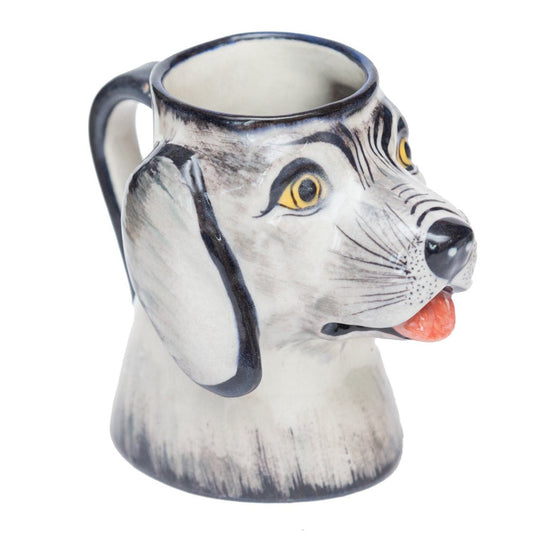
Stoneware Dog Mug
Vendor:Upavim CraftsGuatemala
Regular price $29.75 USDRegular price$0.00 USDSale price $29.75 USD -
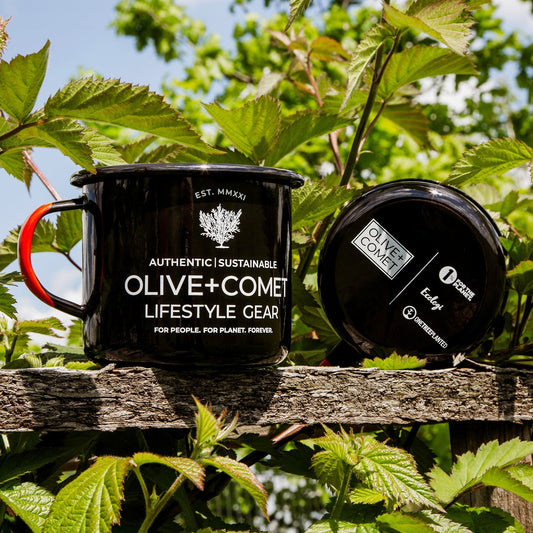
The Kambi Mug
Vendor:Olive+CometRegular price $29.99 USDRegular price







Brands in this collection
6 brands make the products here. Each has a page with its story and full range.
Certifications and memberships these brands hold
A brand's credential doesn't always cover every product it makes. How we vet brands
Why Buy Fair Trade Drinkware?
Drinkware production involves ceramic throwing and glazing, glass blowing or molding, and hand-finishing requiring precision and skill. A well-thrown ceramic mug or a properly formed glass requires technical knowledge that develops over years. In conventional tableware markets, this skill is frequently undervalued as wholesale pricing treats handmade drinkware as interchangeable with industrially produced alternatives.
Fair trade sourcing applies minimum wage standards and condition requirements at the artisan production level, with pricing that reflects the actual throwing, glazing, and firing time involved. For ceramic artisan producers, fair trade buyer relationships provide the income stability needed to maintain kilns and develop the skills that produce drinkware that performs and lasts.
Drinkware is used multiple times every day. A fair trade mug is an object whose making you can trust as much as its use — produced by a skilled artisan compensated fairly, under conditions that reflect the same quality standard you want from the vessel itself.
What is fair trade home and garden decor?
What makes fair trade tableware different from mass-produced items?
Are artisans paid fairly for fair trade tableware?
You Might Also Like



Verified ethically made
Every product on The Labour Movement meets our standards for Fair Trade production.
Featured certifiers and membership organizations


